
Latest world news
Sushma Swaraj: India can’t talk when Pakistan promotes Terror


India denies its involvement in Peshawar school attack
India has alleged that Pakistan’s commitment to terrorism as an instrument of state policy has not been abated a bit and asked the world leaders how India can pursue talks with a country that “glorifies killers” and allow Mumbai attack mastermind Hafiz Saeed to roam free with impunity.
Minister of External Affairs Sushma Swaraj, while addressing the general debate at the 37th session of the UN General Assembly on Saturday, said that India has made efforts to hold talks with Islamabad and the only reason New Delhi has called off dialogue is because of Pakistan’s behavior.
Sushma Swaraj, who earlier walked out of the SAARC ministerial meeting when her Pakistani counterpart Shah Mehmood Qureshi began his speech, said, “We are accused of sabotaging the process of talks. This is a complete lie. We believe that talks are the only rational means to resolve the most complex of disputes.”
Read More: Pakistan: War with India is not an option, dialogue is key
She said, “Talks with Pakistan have begun many times. If they stopped, it was only because of Pakistan’s behavior.”
While elaborating India’s decision to cancel bilateral foreign minister level meeting, she said that after assuming power, Pakistan’s new PM Imran Khan wrote to Narendra Modi suggesting a meeting between the two country’s foreign ministers on the margins of UN General Assembly.
She further said that India accepted the proposal, but, within hours of its acceptance, news came that terrorists had killed three Indian soldiers. She questioned, “Does this indicate a desire for dialogue?”
She noted that various governments in India over the years have tried the peace option with Pakistan. She recalled that PM Modi had invited the Heads of SAARC nations to his swearing-in ceremony in 2014 and she visited Islamabad in 2016.
Read More: India Asks Pakistan to Postpone Inspection of Hydro-Projects In Kashmir
She further said, “But soon after Pakistan sponsored terrorists attacked out air force base in Pathankot on January 2. Please explain to me how we could pursue talks in the midst of terrorist bloodshed.”

On Saturday (US time), Eenam Gambhir, the first secretary at India’s permanent mission at UN, took a strong stand at the UNGA, called out Pakistan after its foreign minister Shah Mehmood Qureshi alleged that New Delhi was involved in the Peshawar school terror attack in 2014. She rejected the allegation saying it was the “most outrageous and preposterous allegation.”
Gambhir exercised Right to Reply at the UNGA and said, “Let me recollect for Pakistan’s new government, the out pouring of sorrow and pain in India that followed the massacre of innocent school children. India’s parliament had expressed solidarity while paying respect to the memory of those killed. Schools all over India had observed two minutes silence in their memory.”
Indian official also dismissed Pakistan’s claim of fighting terrorism. She said, “Can Pakistan deny that it’s the host and patron of 132 of the Un designated terrorists, 22 terrorist entities sanctioned under the 1267 and 1988 UN Security Council Sanctions Regime as of today?”
Comprehensive talks between India and Pakistan remain suspended for Pakistan’s continuing support to terrorism, especially after terror attack at air force base in Pathankot and security forces in Uri in 2016. Earlier, Mumbai 2008 terror attacks disrupted the comprehensive talks between the two countries.



Latest world news
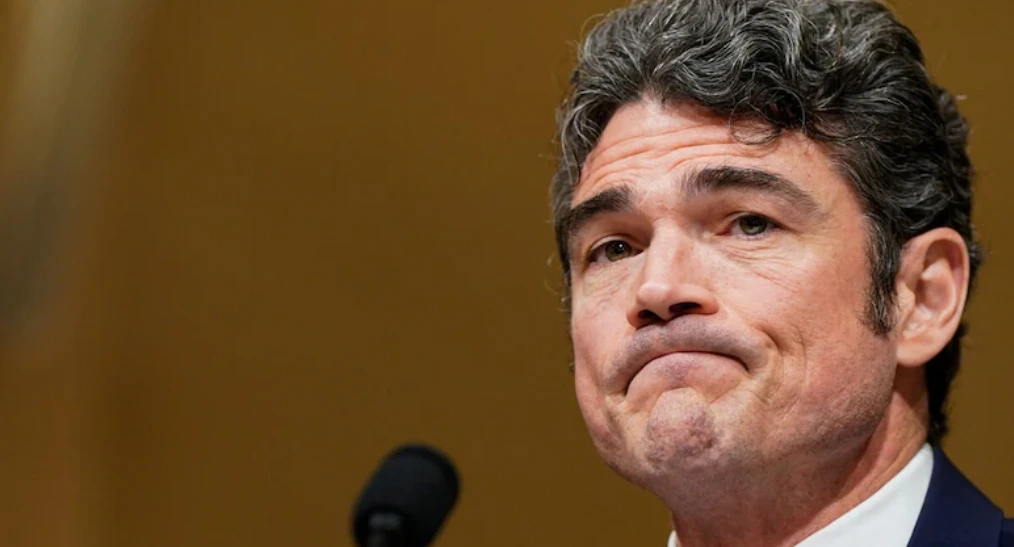
Top US counterterrorism official resigns over Iran war, cites conscience
Joseph Kent steps down as US counterterrorism chief, questioning the justification for the Iran war and citing moral concerns.

Latest world news
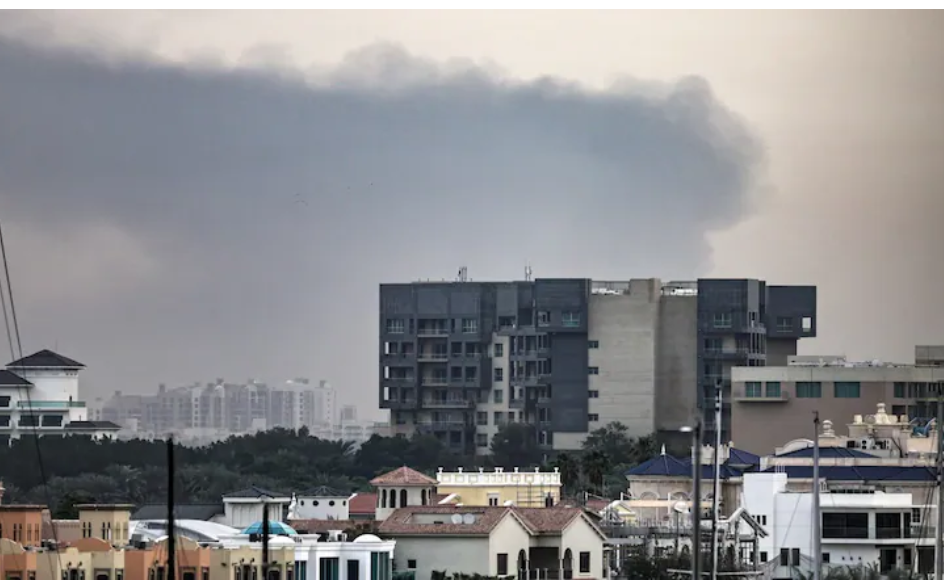
Fire near Dubai International Airport after drone incident, flights temporarily suspended
Flights at Dubai International Airport were temporarily suspended after a drone-related incident caused a fuel tank fire near the facility. Authorities confirmed the blaze was contained and no injuries were reported.

Latest world news
Dubai hit again within 24 hours as debris strikes building, drone targets US embassy in Baghdad
A building in Dubai’s financial hub was struck by debris from an intercepted attack while a drone targeted the US embassy in Baghdad, officials said.

Om Birla likely to move motion to revoke suspension of 8 opposition MPs today

Pakistan airstrike allegations on Kabul hospital leave hundreds dead, claims Taliban

Mamata Banerjee writes to poll chief over officers’ reshuffle, calls move arbitrary

Maharashtra passes freedom of religion bill with jail term up to 10 years

Centre assures action on LPG supply disruption, court closes distributors’ plea

Top US counterterrorism official resigns over Iran war, cites conscience

Mamata Banerjee warns BJP, EC over Bengal polls, says they will be accountable
Centre assures action on LPG supply disruption, court closes distributors’ plea
Om Birla likely to move motion to revoke suspension of 8 opposition MPs today
Maharashtra passes freedom of religion bill with jail term up to 10 years

Afghan Men Try To Hang With The Jet Engine Of The Aircraft in Kabul- Afghanistan News – Kabul News
Trending Top 10 News: 10000 Crore Fine on Flipkart, Apple to Launch Unique Feature, Hdfc Bank Job Ad

Trending Top 10 News: Nokia 6310, Apple sales, Bachpan ka Pyar Video Kid, Dainik Bhaskar IT Raid

Trending Top 10 News: Canada bans Indian flights, Rain in Delhi NCR, AIMIM Twitter hacked, Raj Kundra case

Trending Top 10 News: Shein India, Apple New Service, Pocket Oxygen, Oppo Launched New Phone
-
 India News22 hours ago
Om Birla likely to move motion to revoke suspension of 8 opposition MPs today
-
 India News23 hours ago
Pakistan airstrike allegations on Kabul hospital leave hundreds dead, claims Taliban
-
 India News23 hours ago
Mamata Banerjee writes to poll chief over officers’ reshuffle, calls move arbitrary
-
 India News23 hours ago
Maharashtra passes freedom of religion bill with jail term up to 10 years
-
India News14 hours ago
Centre assures action on LPG supply disruption, court closes distributors’ plea
-
 India News12 hours ago
Mamata Banerjee warns BJP, EC over Bengal polls, says they will be accountable
-
 Latest world news12 hours ago
Top US counterterrorism official resigns over Iran war, cites conscience
