
Latest world news
Trump’s U turn: US forces to pull out of Syria soon


Former Secretary of State Rex Tillerson was against complete withdrawal
In a major shift in his Middle East policy, US President Donald Trump has insisted that U.S. forces would pull out of Syria “very soon” and argued about Washington’s waste of $7 trillion in West Asian wars.
While addressing industrial workers in Ohio on Thursday Mr. Trump said U.S. forces were close to securing all of the territory that the Islamic State group once claimed. “We’ll be coming out of Syria, like, very soon. Let the other people take care of it now,” he promised. This was responded by people’s applause.
Trump was quoted saying, “Very soon — very soon we’re coming out. We’re going to have 100% of the caliphate, as they call it — sometimes referred to as ‘land’ —taking it all back quickly, quickly,” he said. “But we’re going to be coming out of there real soon. Going to get back to our country, where we belong, where we want to be.”
President Trump did not elaborate who the others might take care of Syria. However, Iranian advisors backed with Russian air force have been supporting Syrian forces in defeating terror groups.
Trump’s sudden announcement of US forces’ withdrawal from Syria has surprised all, friends and foes.
Trump’s announcement without taking Department of State or Pentagon on board was clearly indicated Heather Nauert, Spokesperson of State Department publicly admitted about her ignorance. Responding to a question during her official briefing as if she was aware of any decision for the U.S. to pull out of Syria, she responded, “I am not, no. No.”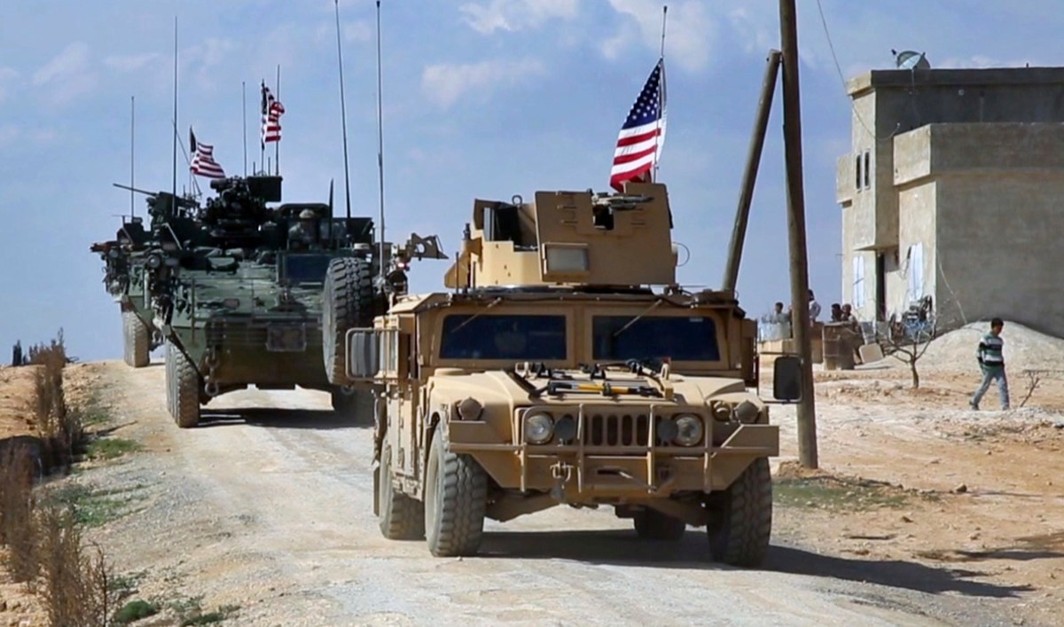
The U.S. has more than 2,000 military personnel in Syria. Recently forces from Turkey and US were in standoff at Afrin, where Turkey captured some of the areas removing US supported separatist Kurds.
Syria, Iran and Russia believe that US forces were imparting training to the IS militants and other anti-Bashar forces. However, US claims that its forces were working with local militia groups to defeat the Islamic State while trying to keep out of Syria’s broader civil war.
Mr. Trump’s announcement to withdraw from Syria goes against new U.S. Syria strategy announced in January by then Secretary of State Rex Tillerson, who has since been sacked. He argued that U.S. forces must remain engaged in Syria to prevent the IS and Al-Qaeda from returning and to deny Iran a chance “to further strengthen its position in Syria”.
He had also warned that “a total withdrawal of American personnel at this time would restore Assad and continue his brutal treatment against his own people.”
Donald Trump posted his words through tweet post along with video of Ohio meeting.
Washington spent trillions building up foreign countries while allowing OUR OWN infrastructure to fall into a state of total disrepair. No more! It’s time to REBUILD, and we will do it with American WORKERS, American GRIT, and American PRIDE! pic.twitter.com/Q9rPZi2D2s
— Donald J. Trump (@realDonaldTrump) March 29, 2018
Marwan Kabalan, a fellow at Qatar based Arab Centre for Research and Policy Analysis and former Dean at Faculty of International Relations & Diplomacy at University of Kalamoon in Damascus told Aljazeera that withdrawal of US forces from Syria would be similar to what Americans did in 2003 by ousting Saddam regime in Iraq and gaving it to Iran in a “silver plate”.
Several western and Middle East experts believe that US committed a blunder by removing its ally Saddam Hussein in Iraq which had benefited Iran the most. Present Iraqi government is considered to be the closest ally with Iran. Similarly Syria depends more on Iran for decades. Iranian military advisors played important role in defeating Daesh (IS) terror in both the countries.







Latest world news
Magnitude 7 earthquake strikes Tibet after floods
A magnitude 7 earthquake struck northern Tibet on Thursday, October 22. The tremor came weeks after deadly flash floods and landslides hit the mountainous region near the Nepal-China border. Initial reports did not confirm casualties or damage from the earthquake.


Latest world news
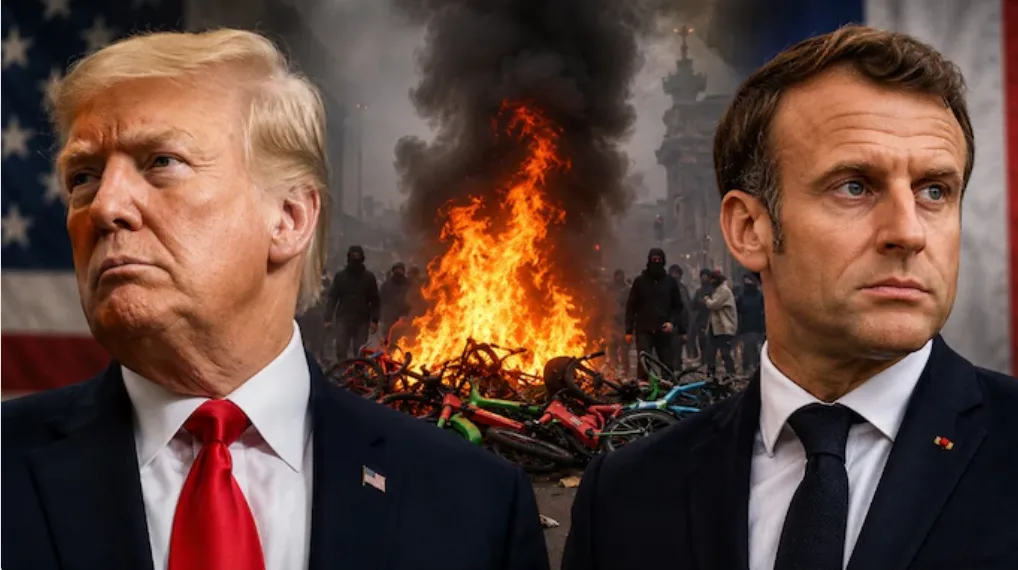
Macron rejects Trump’s immigration claims over France riots
French President Emmanuel Macron criticised Donald Trump and other foreign leaders over their comments on France’s recent unrest. Macron rejected claims that the country was being overrun by migrants and Islamists, calling such assertions false.
Latest world news
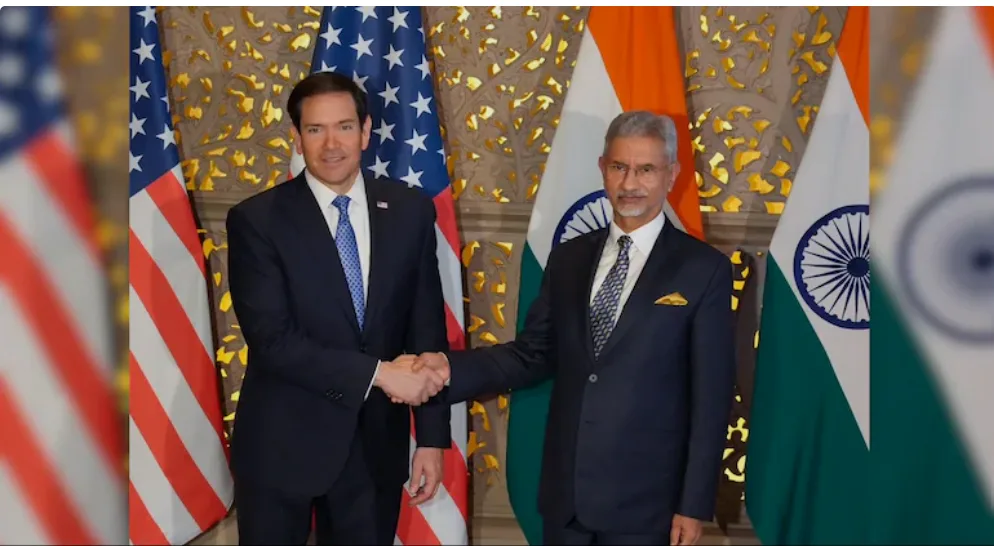
Marco Rubio says India and US share extraordinary alignment on key issues
US Secretary of State Marco Rubio said India and the United States share an extraordinary alignment on core issues, even though disagreements between the two countries may arise.

Om Prakash Mathur sworn in as Keralam Governor

PM Modi to inaugurate Rs 169-crore RBI data centre in Odisha on October 25

Delhi High Court rejects Neha Bora’s plea against peace bond notice

MEA responds after ITBP chief flags ongoing face-offs with China in Arunachal

Thousands bang utensils, beat drums in Manipur protest over continued killings

Congress seeks 175-200 seats in UP, Samajwadi Party stresses on winnability
Thousands bang utensils, beat drums in Manipur protest over continued killings
MEA responds after ITBP chief flags ongoing face-offs with China in Arunachal
Delhi High Court rejects Neha Bora’s plea against peace bond notice
PM Modi to inaugurate Rs 169-crore RBI data centre in Odisha on October 25

Afghan Men Try To Hang With The Jet Engine Of The Aircraft in Kabul- Afghanistan News – Kabul News
Trending Top 10 News: 10000 Crore Fine on Flipkart, Apple to Launch Unique Feature, Hdfc Bank Job Ad

Trending Top 10 News: Nokia 6310, Apple sales, Bachpan ka Pyar Video Kid, Dainik Bhaskar IT Raid

Trending Top 10 News: Canada bans Indian flights, Rain in Delhi NCR, AIMIM Twitter hacked, Raj Kundra case

Trending Top 10 News: Shein India, Apple New Service, Pocket Oxygen, Oppo Launched New Phone
-
 India News18 hours ago
Om Prakash Mathur sworn in as Keralam Governor
-
 India News17 hours ago
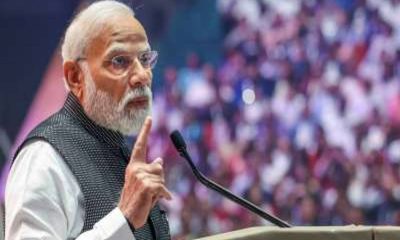
PM Modi to inaugurate Rs 169-crore RBI data centre in Odisha on October 25
-
 India News16 hours ago
Delhi High Court rejects Neha Bora’s plea against peace bond notice
-
 India News16 hours ago
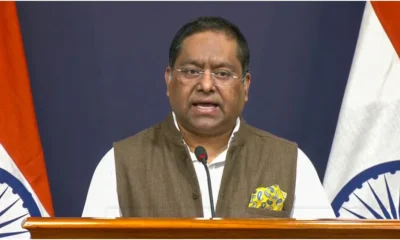
MEA responds after ITBP chief flags ongoing face-offs with China in Arunachal
-
 India News3 hours ago
Thousands bang utensils, beat drums in Manipur protest over continued killings
-
 India News2 hours ago
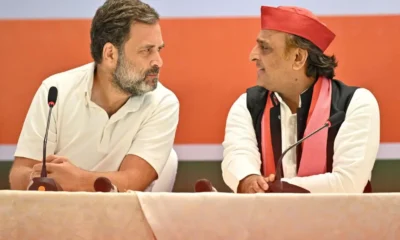
Congress seeks 175-200 seats in UP, Samajwadi Party stresses on winnability
