English हिन्दी
Connect with us

Latest world news

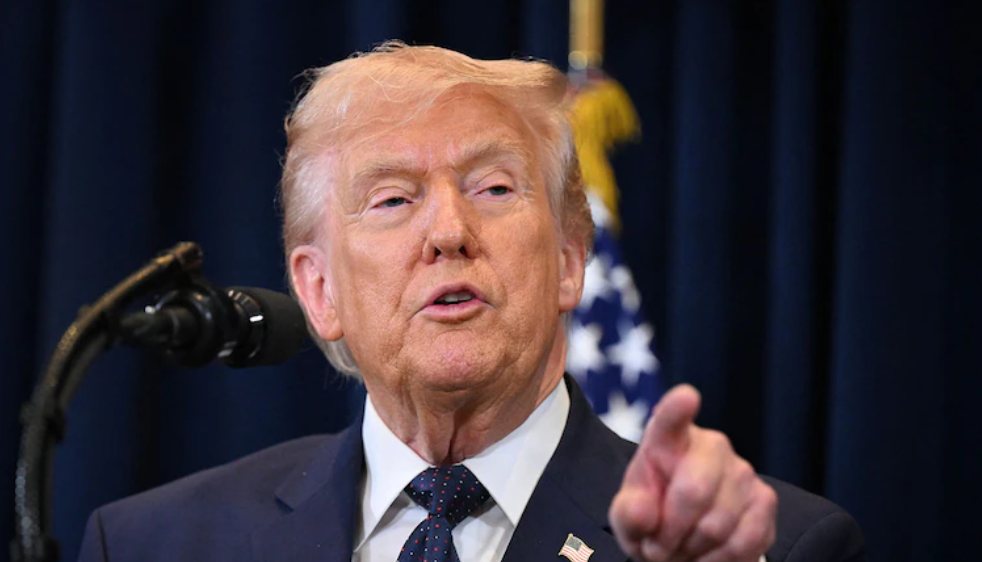
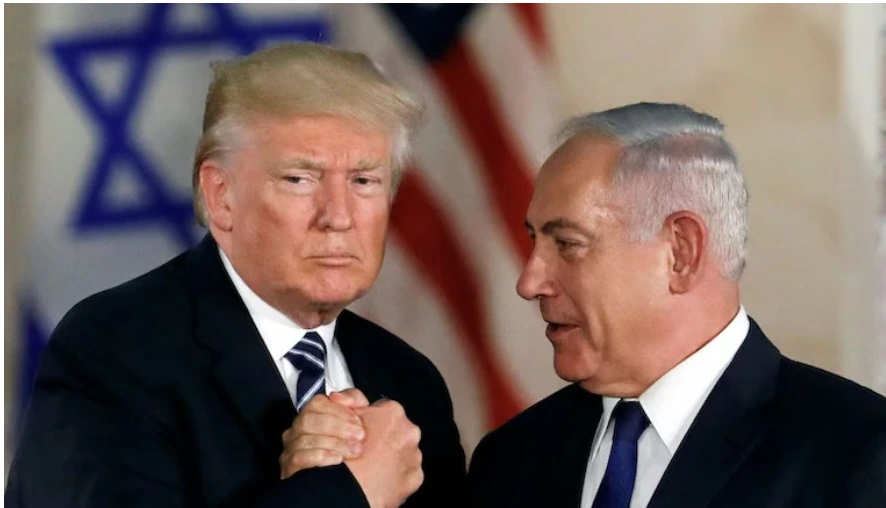
Donald Trump and Benjamin Netanyahu clash over draft Iran peace proposal in heated phone call

A tense phone call between US President Donald Trump and Israeli Prime Minister Benjamin Netanyahu exposed a major rift over the future of the Iran conflict, with Israel pushing for immediate strikes while Washington favors a new mediated peace proposal.

Published

on

Tensions between the United States and Israel have burst into the open following a highly strained phone conversation between US President Donald Trump and Israeli Prime Minister Benjamin Netanyahu. The leaders sharply disagreed over the future course of action regarding Iran, exposing a growing rift between Washington’s renewed diplomatic push and Israel’s demands for continued military action.

According to sources cited by media reports, the lengthy Tuesday evening call left the Israeli Prime Minister deeply incensed, with one US source describing Netanyahu’s reaction by stating his “hair was on fire” after the discussion.

The push for diplomacy vs. military action

The confrontation centered on a revised “peace memo” or draft proposal, which has been jointly refined in recent days by regional mediators including Qatar, Pakistan, Saudi Arabia, Turkey, and Egypt. The emerging framework aims to formally end the war and initiate a 30-day structured negotiation period. This process would cover critical issues such as Tehran’s nuclear program and the reopening of the strategically vital Strait of Hormuz.

During the hour-long conversation, President Trump informed Prime Minister Netanyahu that international mediators are actively preparing a “letter of intent” to be signed by both Washington and Tehran to facilitate this pause.

However, Netanyahu remains highly skeptical of the diplomatic track. According to Israeli sources, the Prime Minister argued that delaying scheduled military strikes—previously anticipated under a framework known as “Operation Sledgehammer”—is a strategic error. Netanyahu reportedly urged the US President to proceed with targeted operations, asserting that any delay only gives Iran a chance for diplomatic “foot-dragging”. The Israeli leadership strongly favors the resumption of military operations to further degrade Iran’s strategic infrastructure and weaken its regime.

Trump downplays divisions but maintains authority

Despite the heated nature of the private call, President Trump publicly downplayed any permanent fracture in the US-Israel relationship. Speaking to reporters at Joint Base Andrews, Trump described Netanyahu as a “very, very good man” and confidently asserted, “He’ll do whatever I want him to do.”

Trump reiterated that the administration is giving diplomacy “one shot” and stated that negotiations are in their “final stages,” emphasizing his desire to minimize regional casualties. “It’s right on the borderline, believe me,” Trump later noted after returning to Washington from the Coast Guard Academy in Connecticut. “If we don’t get the right answers, it goes very quickly. We’re all ready to go.”

The planned US strikes were reportedly paused earlier in the week following direct requests from Gulf allies, including Saudi Arabia and the UAE, to allow time for the updated proposal to be reviewed.

Regional reactions and next steps

In Tehran, the Iranian foreign ministry confirmed that it is currently reviewing the updated proposal, which includes clauses regarding clearer nuclear commitments from Iran and the potential release of frozen Iranian financial assets. Pakistani and Qatari officials have been actively facilitating the message exchanges between the sides. However, Iranian officials continue to hold firm on demands that Washington halt actions against Iranian shipping operations.

While Israeli officials expressed profound worry over the potential deal, media reports noted that Netanyahu has shown similar anxiety during prior rounds of negotiations that ultimately fell through. Sources indicate that Netanyahu is now considering an upcoming trip to Washington for direct, face-to-face talks with Trump to resolve the strategic impasse.

Latest world news

US launches fresh strikes on Iran as Tehran retaliates with attacks on American bases

The United States launched fresh strikes on southern Iran, prompting retaliatory attacks by Tehran on American military facilities in the Gulf and renewed tensions over the Strait of Hormuz.

Published

on

The United States carried out a fresh round of military strikes against targets in southern Iran on June 11, marking the second consecutive day of American attacks on the country. According to the US military, the operation targeted multiple sites in response to what Washington described as continued Iranian aggression.

Reports from Iran indicated that explosions were heard in several locations near the strategic Strait of Hormuz, including Minab, Sirik, Bandar Abbas and Qeshm Island. Iranian media said the attacks occurred shortly after the United States acknowledged conducting new military operations in the region.

Iran launches retaliatory attacks

In response, Iran’s Revolutionary Guards claimed responsibility for attacks on American military facilities across the Gulf region. Iranian authorities said operations targeted US-linked sites in Bahrain, Kuwait and Jordan, describing them as retaliation for the latest American strikes.

Regional governments reported that air defence systems were activated to intercept incoming missiles and drones. Initial assessments from US officials suggested that most of the projectiles were intercepted and that there were no immediate reports of casualties among American personnel.

Strait of Hormuz dispute intensifies

Iran’s military leadership also announced that the Strait of Hormuz had been closed to vessel traffic and warned that any ship attempting to pass through the waterway could be targeted. Iranian media reported that military forces had acted against vessels attempting transit.

However, the US military disputed those claims, stating that commercial shipping continued to move through the strait and that no American warships had been struck. US Central Command said maritime traffic remained active despite Tehran’s announcement.

Concerns over oil markets

The latest escalation has renewed concerns over global energy supplies because the Strait of Hormuz is one of the world’s most important oil shipping routes. Oil prices rose following reports of intensified military action and uncertainty surrounding maritime traffic in the region.

The renewed confrontation comes amid fragile diplomatic efforts aimed at reducing tensions between Washington and Tehran. Analysts warn that continued military exchanges could further destabilise the region and increase pressure on international energy markets.

Continue Reading

Latest world news

Three Indians reported missing after attack on vessel off Oman coast, Centre monitoring situation

Three Indian nationals have been reported missing after an attack on a commercial vessel off the coast of Oman. The Ministry of External Affairs said it is monitoring the situation and coordinating efforts to trace the missing crew members.

Published

on

Strait of Hormuz

Three Indian nationals have been reported missing following an attack on a commercial vessel off the coast of Oman, according to the Ministry of External Affairs (MEA). Indian authorities said they are closely monitoring the situation and coordinating with relevant agencies as efforts continue to locate the missing individuals.

The incident occurred in waters off Oman, where the vessel came under attack amid heightened security concerns in the region. While details surrounding the circumstances of the attack are still emerging, officials confirmed that three Indian nationals remain unaccounted for.

Government monitoring developments

The MEA said it is actively engaged in tracking developments related to the incident. Indian authorities are maintaining contact with concerned stakeholders and are working to gather more information about the condition of the vessel and the status of the missing crew members.

The attack has renewed concerns over maritime security in and around the Gulf region, an important route for international shipping and energy supplies. Recent incidents involving commercial vessels have highlighted the risks faced by seafarers operating in the area.

Search and response efforts underway

Efforts are underway to determine the whereabouts of the missing Indians. Authorities have not yet released the identities of the individuals, and further updates are expected as search and coordination efforts continue.

The Indian government has assured that it is closely following the situation and will provide assistance as required while continuing engagement with local authorities and maritime agencies.

Continue Reading

Latest world news

Iran warns US to leave region after fresh strikes near Strait of Hormuz

Iran has warned the United States to leave the region if it wants safety after fresh US strikes near the Strait of Hormuz. Tehran says it will respond to any attack or threat against its interests.

Published

on

Iran has issued a strong warning to the United States following fresh American strikes near the Strait of Hormuz, saying that any threat to its territory or interests would be met with a response from its armed forces. The latest exchange has further heightened tensions in the Gulf region, a key corridor for global energy shipments.

Iranian Foreign Minister Seyed Abbas Araghchi said that “intruding outsiders” should leave the region if they wish to remain safe. His remarks came after the United States carried out new military strikes near the Strait of Hormuz, an area that has remained at the centre of the ongoing confrontation between Washington and Tehran.

The latest US action follows a series of military incidents linked to the strategic waterway. According to reports, American forces targeted sites they believed posed a threat to US personnel and maritime traffic operating in and around the Strait of Hormuz.

Growing concerns over regional stability

The Strait of Hormuz remains one of the world’s most important energy transit routes, making any military escalation in the area a matter of international concern. Previous confrontations in the region have triggered worries about disruptions to shipping and global oil supplies.

Iran has repeatedly accused the United States of violating understandings aimed at reducing hostilities, while Washington has maintained that its military actions are defensive measures intended to protect its forces and commercial navigation.

The renewed exchange of warnings and strikes comes at a time when efforts to ease tensions have faced repeated setbacks, raising concerns about the possibility of further escalation in the region.

Continue Reading

Trending

© Copyright 2022 APNLIVE.com