Latest world news
Vladimir Putin continue support to Iran nuclear deal


[vc_row][vc_column][vc_column_text]Held telephonic conversation with Iran, France and Israel
Working to counter-balance against the stance taken by US President Donald Trump, Russian President Vladimir Putin and his French counterpart Emmanuel Macron have expressed the need to preserve and fully implement the Iran nuclear deal.
According to a statement issued by Kremlin, the two leaders held a phone conversation on Monday as a May 12 deadline looms for US President Donald Trump to decide on whether to scrap the nuclear deal.
“The presidents of Russia and France spoke in favor of keeping the Plan and its strict observance,” the Kremlin said.
The phone was initiated by the French administration when Macron called Putin to inform him of his talks with Trump in the United States. Macron’s office has also stated that the French president and Putin “expressed their common will to preserve the gains from the agreement.”
 Meanwhile, Iran’s President Hassan Rouhani, in a phone call told his French counterpart that Tehran would not accept any limitation on its nuclear program beyond commitments undertaken in the deal known as JCPOA.
Rouhani said that deal is not open for negotiation stressing, “the fate of the JCPOA after 2025 will be determined by international law and Iran will not accept any limitations beyond its commitments.”
Meanwhile, Russian official news agency TASS, reported on Monday that the situation around the JCPOA was in focus of a telephonic conversation between Russian President Vladimir Putin and Israeli PM Benjamin Netanyahu.
Read More: Iran warns US not to withdraw from n-deal or face consequences
 The statement issued by Kremlin press service “Vladimir Putin reiterated Russia’s position that the JCPOA, which has a paramount importance in terms of international stability and security, must be strictly observed by all its signatories”.
French President Emanuel Macron has recently visited Washington and discussed the future of JCPOA. While addressing a joint press conference at White House Macron spoke about a new Iran deal accommodating US concerns, including Iran missile program and Tehran’s growing influence in the region.[/vc_column_text][/vc_column][/vc_row][vc_row][vc_column][vc_column_text]Read More: Trump, Macron for new Iran deal, instead JCPOA
However, while addressing US congress very next day, macron insisted for continuing implementation of JCPOA saying that we have signed the deal and we should support the deal.
US President Donald Trump has to take a call on May 12 on either to continue to be part of the nuclear deal or pull out of the multilateral agreement. If he denies renewing his consent, relaxation on Iran sanctions would be withdrawn.[/vc_column_text][/vc_column][/vc_row]






Latest world news
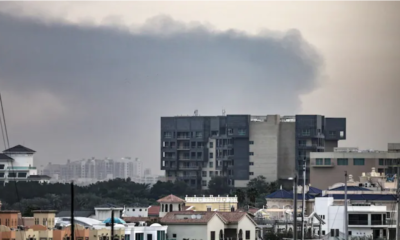
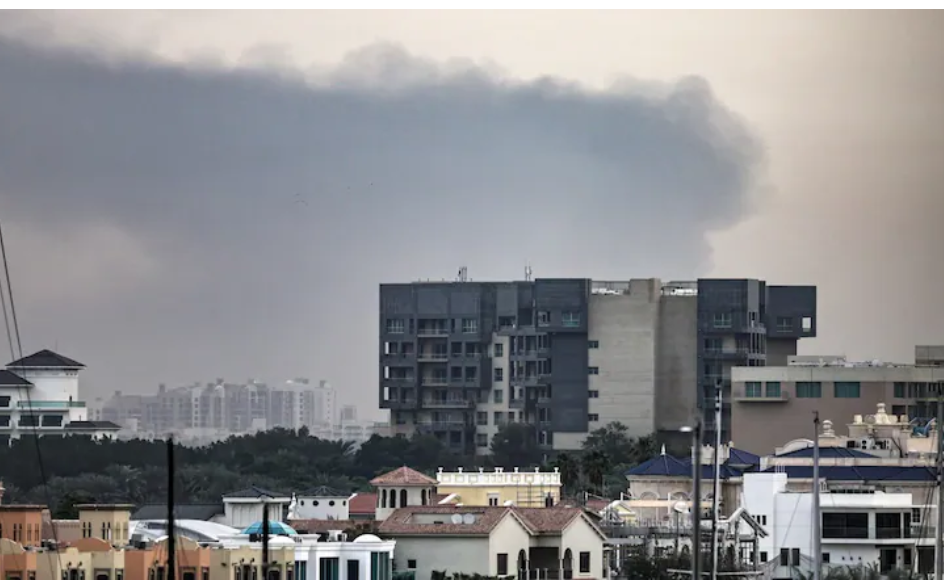
Dubai hit again within 24 hours as debris strikes building, drone targets US embassy in Baghdad
A building in Dubai’s financial hub was struck by debris from an intercepted attack while a drone targeted the US embassy in Baghdad, officials said.

Latest world news
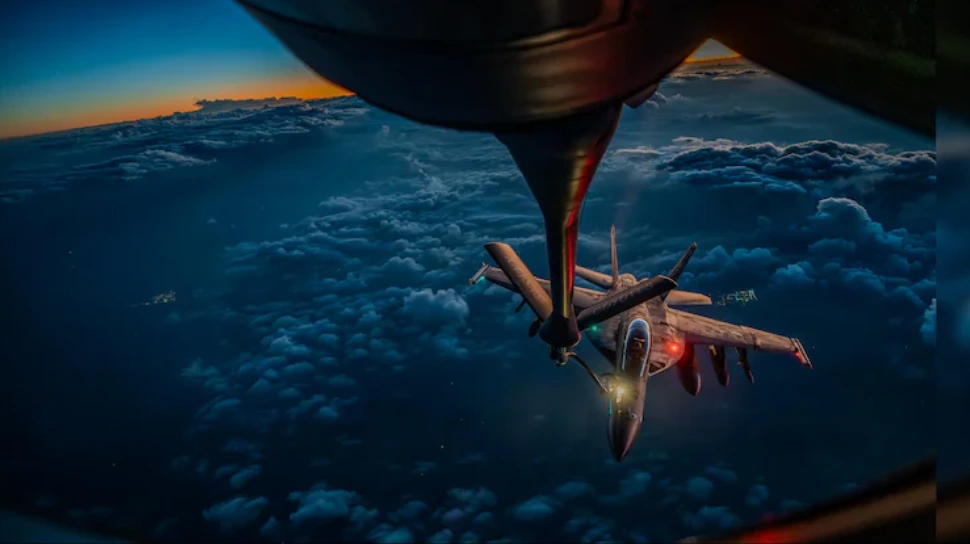
US KC-135 refuelling aircraft crashes in Iraq amid ongoing Iran war
A US KC-135 refuelling aircraft crashed in western Iraq during the ongoing Iran war, marking the fourth American aircraft lost in the conflict, according to the US military.
Latest world news
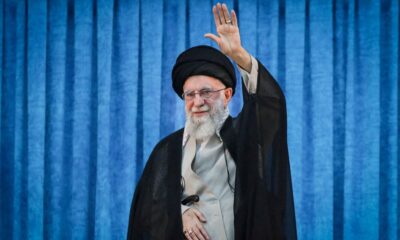
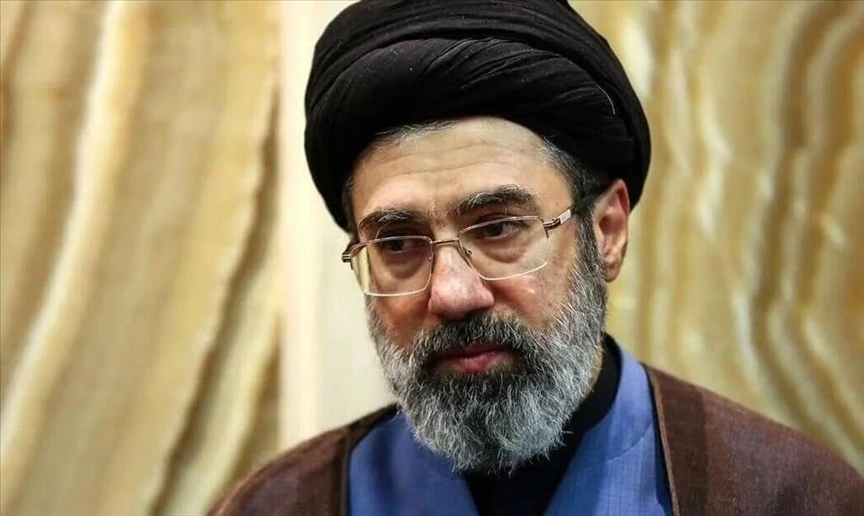
Mojtaba Khamenei named Iran’s new supreme leader after death of Ali Khamenei
Iran’s Assembly of Experts has selected Mojtaba Khamenei as the country’s new supreme leader following the death of Ali Khamenei amid escalating regional conflict.

BJP and TMC workers clash in Kolkata ahead of PM rally

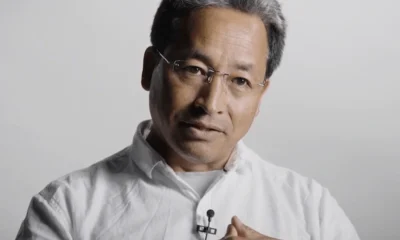
Centre revokes detention of climate activist Sonam Wangchuk after nearly six months
Centre revokes detention of climate activist Sonam Wangchuk after nearly six months
BJP and TMC workers clash in Kolkata ahead of PM rally

Dubai hit again within 24 hours as debris strikes building, drone targets US embassy in Baghdad

Massive fire destroys around 80 shanties in west Delhi, hundreds left homeless

US KC-135 refuelling aircraft crashes in Iraq amid ongoing Iran war

Afghan Men Try To Hang With The Jet Engine Of The Aircraft in Kabul- Afghanistan News – Kabul News
Trending Top 10 News: 10000 Crore Fine on Flipkart, Apple to Launch Unique Feature, Hdfc Bank Job Ad

Trending Top 10 News: Nokia 6310, Apple sales, Bachpan ka Pyar Video Kid, Dainik Bhaskar IT Raid

Trending Top 10 News: Canada bans Indian flights, Rain in Delhi NCR, AIMIM Twitter hacked, Raj Kundra case