
India News
SC issues notices to Centre, Haryana on CBI probe for Ryan student’s murder

[vc_row][vc_column][vc_column_text]Apex court to also examine, suo moto, issue of safety measures for students studying in private schools
The Supreme Court, on Monday, admitted a plea filed by Varun Thakur – father of seven-year-old Pradyuman who was found dead in Gurgaon’s Ryan International School last week – requesting a probe by the Central Bureau of Investigation or a special investigation team (SIT) into the murder of his son. The court has issued notices to the Centre, CBI and the Haryana government and sought their replies on Varun’s plea within three weeks.
The apex court has also, of its own accord, decided to examine whether private schools were implementing guidelines for ensuring safety of their students. The court has, however, clarified that it wouyld examine safety measures adopted by all private schools and not just the Gurgaon-branch of Ryan International School.
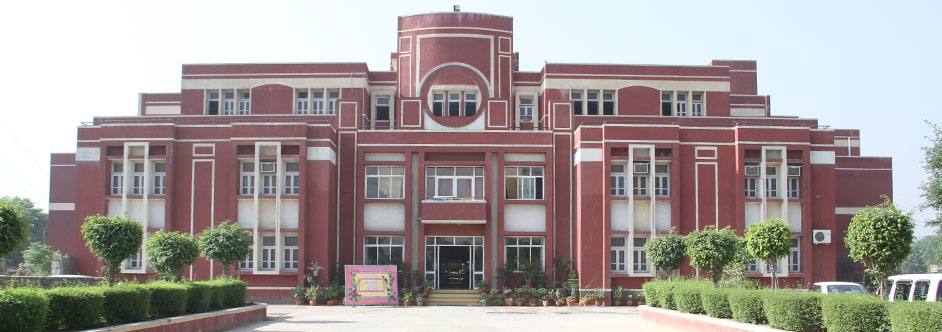
The apex court’s decision comes in the wake of the mysterious murder of Pradyuman Thakur, a class 2 student at Gurgaon’s Ryan International School, who was found dead – with his throat slit – in the washroom of the school on September 8. Late evening on September 8, the Gurgaon police had arrested Ashok Kumar, a bus conductor at the school and claimed that he confessed to the murder.
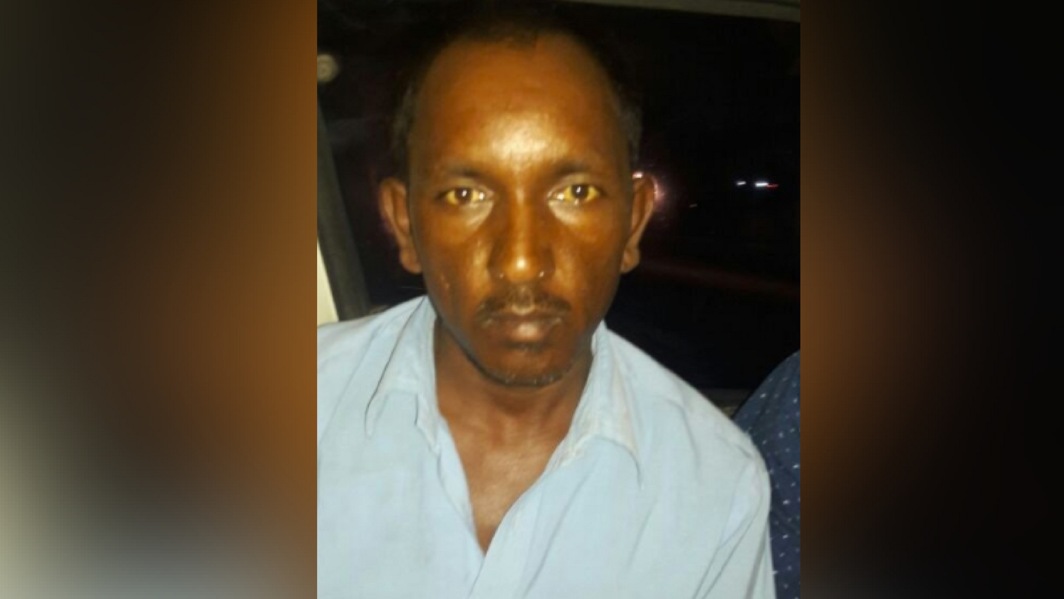
Ashok, who was remanded to three days in police custody on Saturday, reportedly told the cops that he had accosted Pradyuman in the school’s washroom and tried to sexually molest him. However, when Pradyuman resisted the attempt and tried to raise an alarm, Ashok confessed that he took out a knife from his pocket and stabbed the child twice in his neck. As Pradyuman lay on the floor, bleeding profusely from his mortal wounds, Ashok reportedly washed the murder weapon, threw it on the boy’s body and walked away.
However, the child’s parents – Varun and Jyoti Thakur – have alleged that the arrest was a frame-up and have blamed the school management of not ensuring “basic safety and security” of students.
Late on Sunday, the Gurgaon police had arrested two senior officials of the school – Francis Thomas, Regional head, and J Thomas, HR head – on charges under the Juvenile Justice Act. Meanwhile, the school’s CEO, Ryan Pinto and his parents filed an anticipatory bail plea in the Bombay High Court, on Monday.
The Gurgaon police has also suspended station house officer (SHO) of the Sadar police station – the Ryan International School situated on Sohna Road falls under the jurisdiction of this station – for “negligence in maintaining law and order.” The school and its vicinity has been witness to violent protests by angry parents ever since the murder came to light. On Sunday, the police had to resort to lathi-charge on parents and other locals who had gathered outside Ryan International School to protest against the institution’s alleged negligence of safety norms that led to Pradyuman’s murder. The agitated protestors had also set a liquor shop – situated near the school – on fire.
Amid protests over the police and state government’s inaction against the school after the gruesome murder, Haryana education minister Ram Bilas Sharma had assured parents, on Sunday, that strict action will be taken against Ryan International authorities.
“Under section 75 of the JJ Act, action will be taken against the school management. The accused will be presented before the court within a week,” Sharma had told media persons at a briefing on Sunday, while asserting that the state’s Manohar Lal Khattar government was open to a CBI probe in the case.

Grace Pinto, owner of Ryan International School is a national executive member of BJP Mahila Morcha
The school’s promoter, Grace Pinto, is a national executive member of the BJP’s Mahila Morcha and the school’s Vasant Kunj branch in New Delhi had attracted considerable controversy last year when the promoters – Grace and her husband AF Pinto – had reportedly instructed the staff members to ensure that they along with parents of students at the school get at least 10 people each to enroll as members of the BJP. The proximity of the Pinto family to the BJP has led to accusations that the Haryana government was trying to shield the school’s promoters in the case.
Meanwhile, a three-member SIT constituted by the Union human resource development ministry to look into security measures at the school has revealed several lapses. Sources said that the SIT has found that most CCTV cameras in the school were not functional and that despite its high fee, the school had not constructed separate toilet facilities for students and support staff like drivers, conductors, peons, etc. The school, according to the SIT, also did not carry out the mandatory police verification checks while hiring the support staff.[/vc_column_text][/vc_column][/vc_row]






India News
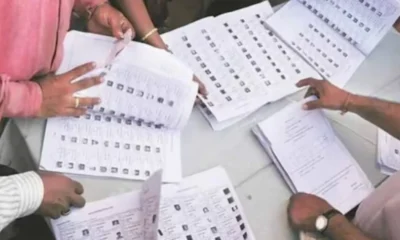
Odisha SIR: Over 20 lakh voters removed from electoral roll
Odisha’s final electoral roll has been published after the Special Intensive Revision, with 20.56 lakh electors removed following verification.

India News
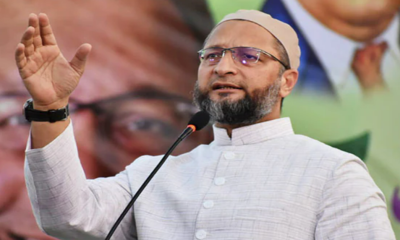
Asaduddin Owaisi offers Opposition alliance in UP, sets October 2 deadline
AIMIM chief Asaduddin Owaisi offered an alliance to Opposition parties in Uttar Pradesh ahead of the 2027 Assembly election and set October 2 as a deadline for a response.

India News
AAP takes Punjab report card door-to-door after BJP’s anti-drug yatra
AAP has taken its Punjab government report card door-to-door as the BJP conducts a statewide anti-drug yatra ahead of the 2027 Assembly election.

Ram Temple Donation Theft: 105 instances caught on CCTV, SIT tells Supreme Court
AAP takes Punjab report card door-to-door after BJP’s anti-drug yatra

Zaheer Khan named CSK head coach ahead of IPL 2027

Asaduddin Owaisi offers Opposition alliance in UP, sets October 2 deadline

Visegrad Group backs India’s bid for permanent UN Security Council seat

Odisha SIR: Over 20 lakh voters removed from electoral roll
Visegrad Group backs India’s bid for permanent UN Security Council seat
Asaduddin Owaisi offers Opposition alliance in UP, sets October 2 deadline
Zaheer Khan named CSK head coach ahead of IPL 2027
AAP takes Punjab report card door-to-door after BJP’s anti-drug yatra

Afghan Men Try To Hang With The Jet Engine Of The Aircraft in Kabul- Afghanistan News – Kabul News
Trending Top 10 News: 10000 Crore Fine on Flipkart, Apple to Launch Unique Feature, Hdfc Bank Job Ad

Trending Top 10 News: Nokia 6310, Apple sales, Bachpan ka Pyar Video Kid, Dainik Bhaskar IT Raid

Trending Top 10 News: Canada bans Indian flights, Rain in Delhi NCR, AIMIM Twitter hacked, Raj Kundra case

Trending Top 10 News: Shein India, Apple New Service, Pocket Oxygen, Oppo Launched New Phone
-
 India News16 hours ago
Ram Temple Donation Theft: 105 instances caught on CCTV, SIT tells Supreme Court
-
India News16 hours ago
AAP takes Punjab report card door-to-door after BJP’s anti-drug yatra
-
 Cricket news16 hours ago
Zaheer Khan named CSK head coach ahead of IPL 2027
-
 India News15 hours ago
Asaduddin Owaisi offers Opposition alliance in UP, sets October 2 deadline
-
 Latest world news2 hours ago
Visegrad Group backs India’s bid for permanent UN Security Council seat
-
 India News2 hours ago
Odisha SIR: Over 20 lakh voters removed from electoral roll
