English हिन्दी
Connect with us

Latest world news

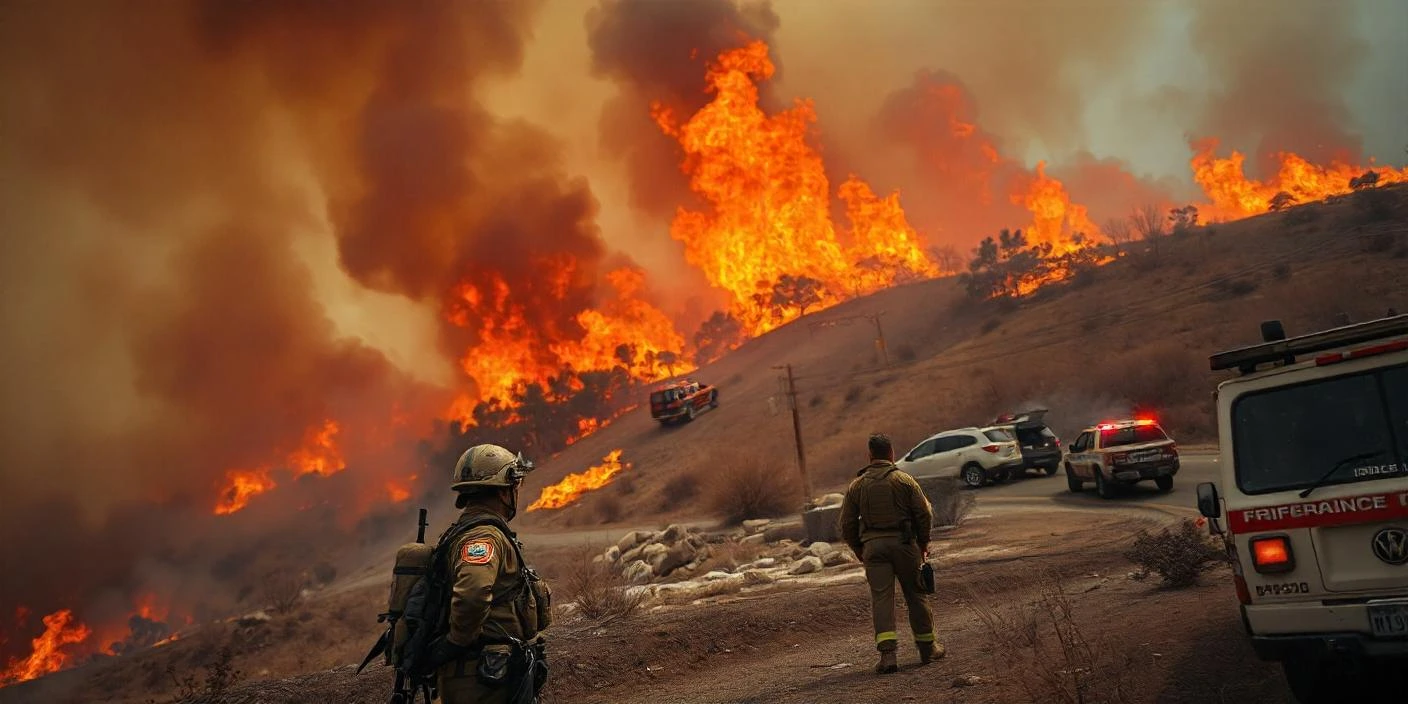
Los Angeles firefighters grapple with critical water pressure shortages amid raging wildfires

Published

on

Firefighters battling flames during a Los Angeles wildfire with smoke in the background

As devastating wildfires swept through Los Angeles, firefighters encountered an unexpected challenge: a failing water supply system. With fire hydrants running dry and low water pressure hindering efforts, the city faced an infrastructure crisis that exposed vulnerabilities in its preparedness for large-scale emergencies.

According to a report by the Los Angeles Times, the Los Angeles Department of Water and Power (DWP) struggled to meet unprecedented demands as firefighters drew vast amounts of water over extended periods. Former DWP general manager Martin Adams acknowledged the limitations of the system, stating, “The system has never been designed to fight a wildfire that then envelops a community.”

Water shortages in hard-hit areas
Pacific Palisades, one of the areas most affected by the fires, saw multiple hydrants fail or provide insufficient water. Gravity-fed storage tanks supplying the area, each holding about one million gallons, were rapidly drained during firefighting operations. High-elevation neighborhoods, such as Palisades Highlands, experienced dry hydrants as the demand surged to four times the usual rate for 15 continuous hours.

Further complicating matters, a nearby DWP reservoir was offline for maintenance, further straining water availability. While tanker trucks were deployed to address shortages, logistical delays impeded swift action.

In Altadena and Pasadena, where the Eaton Fire caused widespread destruction, water distribution faced additional obstacles. Power outages, implemented to protect firefighters from falling electrical lines, rendered pumps inoperable, leading to a Catch-22 situation.

Damage and calls for accountability
The fires left a trail of destruction. The Palisades Fire alone destroyed over 5,000 structures, while the Eaton Fire damaged another 4,000 to 5,000. Governor Gavin Newsom has ordered an independent investigation into the water supply failures, calling the situation “deeply troubling.” The review will examine the preparedness and response of agencies like DWP and local water utilities.

Los Angeles city leaders, including Mayor Karen Bass, have also faced criticism for budget cuts to fire department resources, which many argue weakened the city’s ability to manage large-scale emergencies.

Proposed solutions and challenges
Experts have suggested several strategies to prevent similar crises in the future. These include expanding water storage capacity in high-risk areas, upgrading pipelines to handle surges in demand, and investing in backup power systems for water pumps. However, these measures face significant financial and logistical hurdles.

Firefighters have historically turned to unconventional water sources, such as swimming pools and even ocean water, when hydrants fail. Yet, these methods underscore the need for a more robust and reliable water infrastructure.

The wildfires have exposed not just the immediate challenges of firefighting but also broader systemic issues that require urgent attention. As California continues to battle increasingly severe wildfires, strengthening the resilience of water supply systems has become a critical priority.

Latest world news

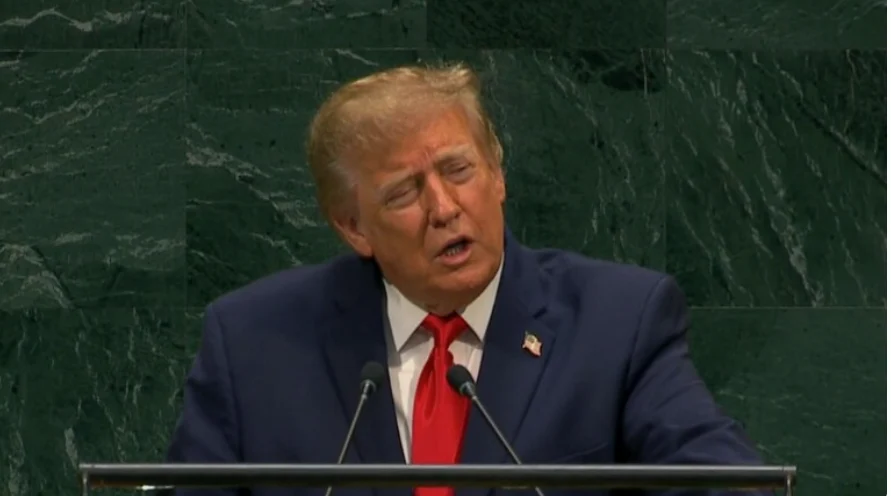
US lawmakers move resolution to roll back Trump’s 50% tariffs on Indian imports

Three US lawmakers have moved a resolution to end Trump’s emergency declaration that imposed 50% tariffs on Indian goods, calling the move illegal and harmful to trade ties.

Published

on

trump

Three members of the US House of Representatives have introduced a resolution seeking to end former President Donald Trump’s national emergency declaration that led to steep tariffs on imports from India. The lawmakers termed the duties illegal and warned that they have hurt American consumers, workers and long-standing India-US economic ties.

The resolution has been moved by Representatives Deborah Ross, Marc Veasey and Raja Krishnamoorthi. It aims to terminate the emergency powers used to impose import duties that cumulatively raised tariffs on several Indian-origin goods to 50 per cent.

What the resolution seeks to change

According to details shared by media, the proposal specifically seeks to rescind an additional 25 per cent “secondary” tariff imposed on August 27, 2025. This was levied over and above earlier reciprocal tariffs, taking the total duty to 50 per cent under the International Emergency Economic Powers Act.

The House move follows a separate bipartisan effort in the US Senate that targeted similar tariffs imposed on Brazil, signalling growing resistance in Congress to the use of emergency powers for trade actions.

Lawmakers flag impact on US economy and consumers

Congresswoman Deborah Ross highlighted the deep economic links between India and her home state of North Carolina, noting that Indian companies have invested over a billion dollars there, creating thousands of jobs in sectors such as technology and life sciences. She also pointed out that manufacturers from the state export hundreds of millions of dollars’ worth of goods to India each year.

Congressman Marc Veasey said the tariffs amount to a tax on American households already facing high costs, stressing that India remains an important cultural, economic and strategic partner for the United States.

Indian-American Congressman Raja Krishnamoorthi described the duties as counterproductive, saying they disrupt supply chains, harm American workers and push up prices for consumers. He added that rolling back the tariffs would help strengthen economic and security cooperation between the two countries.

Background of the tariff hike

Earlier in August 2025, the Trump administration imposed a 25 per cent tariff on Indian goods, which came into effect from August 1. This was followed days later by another 25 per cent increase, citing India’s continued purchase of Russian oil. The combined duties were justified by the administration as a measure linked to Moscow’s war efforts in Ukraine.

Wider push against unilateral trade actions

The latest resolution is part of a broader push by congressional Democrats to challenge unilateral trade measures and reassert Congress’ constitutional authority over trade policy. In October, the same lawmakers, along with several other members of Congress, had urged the President to reverse the tariff decisions and work towards repairing strained bilateral relations with India.

Continue Reading

Latest world news

Mexico imposes 50% tariff on Indian imports, auto exports maybe hit

Mexico’s approval of 50% import duties on select goods from India and other Asian countries threatens nearly $1 billion worth of Indian exports, especially in the automobile sector.

Published

on

Mexico has cleared steep import duties of up to 50% on several goods from Asian nations, a move that places nearly $1 billion worth of Indian exports at risk from January 1, 2026. The decision targets countries that do not have a trade agreement with Mexico, including India, South Korea, China, Thailand and Indonesia.

Mexico moves to shield domestic industry

The new duties—covering items such as automobiles, auto parts, textiles, plastics, steel, footwear, furniture, toys, appliances, leather goods, and cosmetics—are aimed at strengthening local manufacturing. Mexico says the tariff push is designed to reduce dependence on Asian imports and support domestic producers.

China stands to face the highest impact, with Mexican imports from the country touching $130 billion in 2024. According to Mexico, the revised tax structure is also expected to generate $3.8 billion in additional revenue.

Mexican President Claudia Sheinbaum has backed the decision, framing it as an investment in domestic employment creation. Analysts, however, believe the move may also align with the United States’ expectations ahead of the upcoming United States–Mexico–Canada (USMCA) review.

Impact on India’s automobile exports

The sharpest blow for India will fall on its automobile sector. Imports of passenger cars into Mexico will now face 50% duty instead of the earlier 20%, threatening the competitiveness of major exporters including Volkswagen, Hyundai, Nissan and Maruti Suzuki.

Industry estimates cited in a report say around $1 billion worth of Indian automobile shipments could be affected. Ahead of the tariff announcement, an industry body had urged the Indian government to engage with Mexican authorities to safeguard market access.

Mexico is currently India’s third-largest car export destination, trailing only South Africa and Saudi Arabia.

Continue Reading

Latest world news

Luthra brothers detained in Thailand after Goa nightclub fire tragedy

Delhi restaurateurs Saurabh and Gaurav Luthra, accused in the Goa nightclub fire that killed 25 people, have been detained in Thailand as India moves to secure their deportation.

Published

on

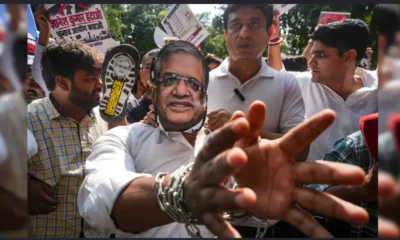
Delhi-based restaurateurs Saurabh and Gaurav Luthra, wanted in connection with the Goa nightclub fire that claimed 25 lives, have been detained in Thailand. Images circulating online show the brothers with their hands tied, holding their passports, as they stand beside Thai police officials.

Brothers held in Phuket as India seeks deportation

The Luthra brothers, who run the Romeo Lane chain across multiple cities and countries, left for Phuket just hours after a massive blaze gutted their ‘Birch by Romeo Lane’ nightclub in north Goa’s Arpora. They are facing charges including culpable homicide not amounting to murder and negligence. Indian agencies are now preparing to push for their deportation so they can be tried in Goa.

Deadly fire triggered by flammable decor and safety lapses

The late-night blaze erupted during a musical event attended by around 100 people, most of them tourists. The use of electric firecrackers during a performance is suspected to have triggered the fire. The venue’s heavy use of flammable décor and absence of functional fire extinguishers or alarms turned it into a death trap.

A narrow access road further delayed fire engines, forcing responders to park nearly 400 metres away, significantly hindering rescue operations. By the time the blaze was doused, 25 people — including five tourists and 20 staff members — had died, most due to toxic smoke inhalation in the basement.

Police pursuit and legal battle

Following the incident, four staff members were arrested and a search began for the Luthras. Investigators from Goa and Delhi discovered the brothers had booked their tickets soon after the fire and left the country within hours. Their business partner, Ajay Gupta, has already been arrested in Delhi.

The brothers have moved a Delhi court seeking anticipatory bail, arguing they were licensees, not owners, of the building. They claimed they were not present at the nightclub when the fire occurred and said their travel to Thailand was for a business meeting, not to evade investigation. Their plea seeks four weeks of protection from arrest upon their return to India.

Continue Reading

Trending

© Copyright 2022 APNLIVE.com