
India News
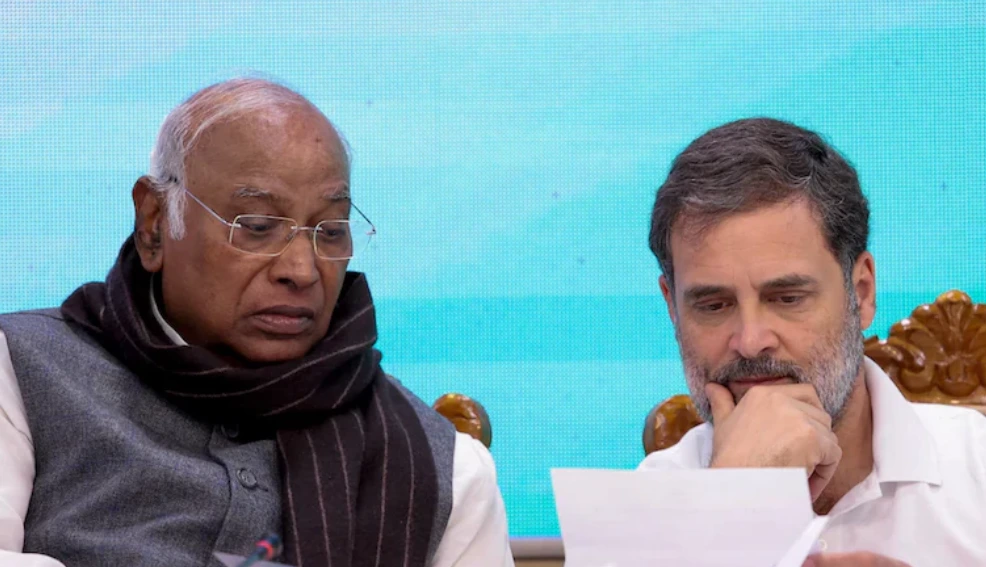
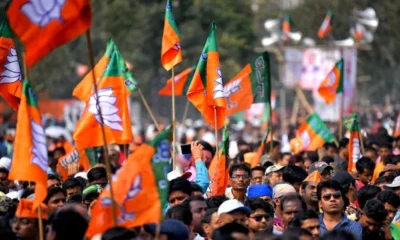
4 states, 4 elections, 4 potential crises for Congress hoping for poll wins
With Assembly elections due in Kerala, Tamil Nadu, West Bengal and Assam in 2026, the Congress is balancing optimism with internal challenges and alliance negotiations.








India News
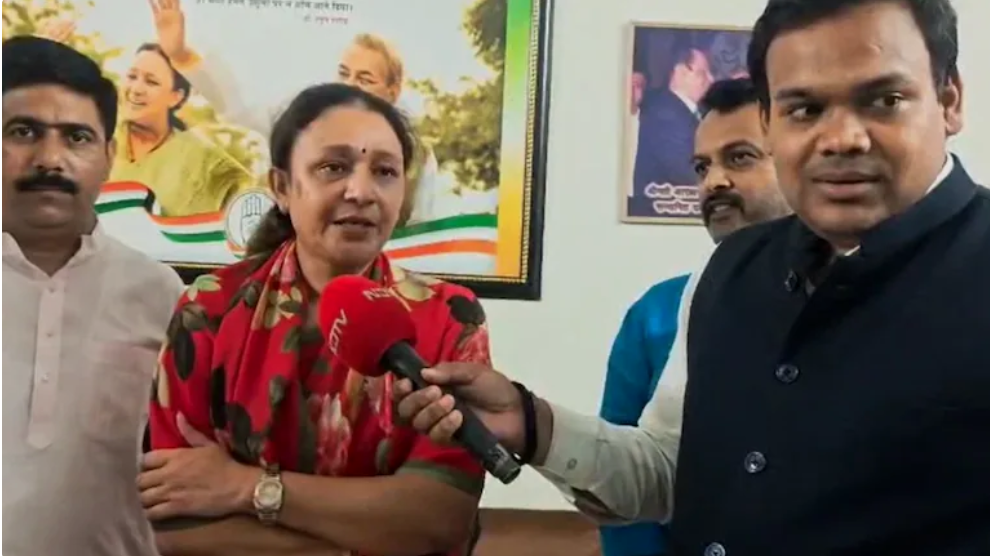
New UP Congress chief Aradhana Mishra backs stronger alliance with SP
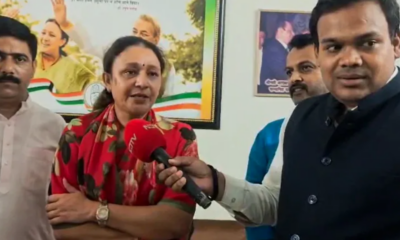
Newly appointed UP Congress chief Aradhana Mishra said the party would strengthen its alliance with the Samajwadi Party ahead of the 2027 Assembly election.

India News
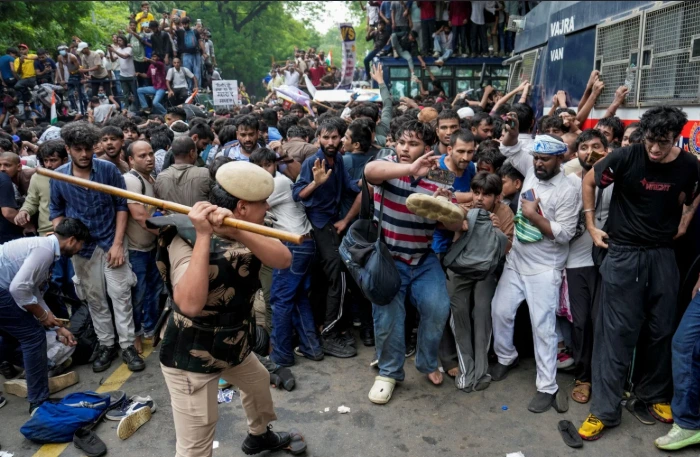
CJP announces October 10 Delhi protest against Gyanesh Kumar
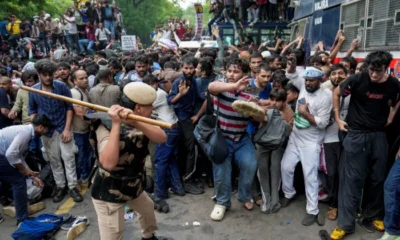
CJP leader Abhijeet Dipke has announced a protest at Jantar Mantar on October 10, demanding the resignation of Chief Election Commissioner Gyanesh Kumar.
India News
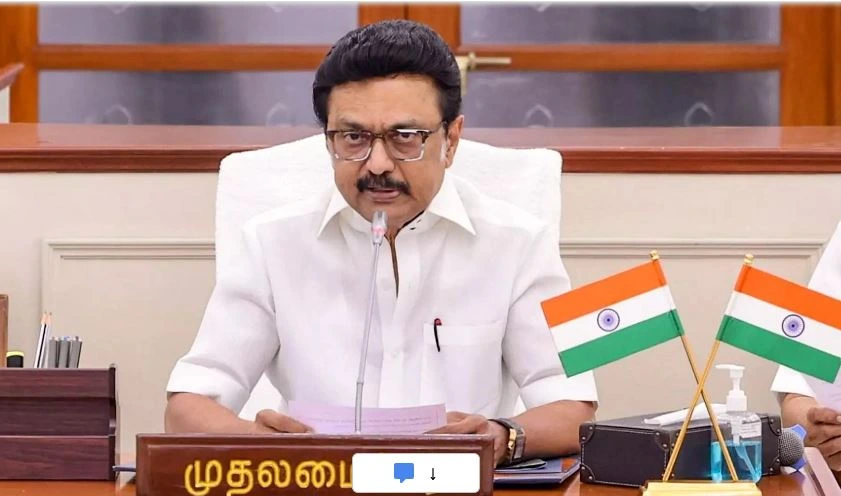
MK Stalin attacks Vijay government over hindi signboard in Tamil Nadu
MK Stalin criticised the Tamil Nadu government over Hindi lettering on a State Highway signboard and warned the Vijay-led administration against interfering with the state’s two-language policy.

Couldn’t let passengers die: Smit Machchhar speaks to PM Modi after Flydubai attack

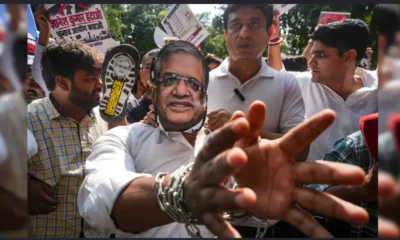
700 detained as Delhi, Mumbai see protests against Gyanesh Kumar

MK Stalin attacks Vijay government over hindi signboard in Tamil Nadu

CJP announces October 10 Delhi protest against Gyanesh Kumar

New UP Congress chief Aradhana Mishra backs stronger alliance with SP
New UP Congress chief Aradhana Mishra backs stronger alliance with SP
CJP announces October 10 Delhi protest against Gyanesh Kumar
MK Stalin attacks Vijay government over hindi signboard in Tamil Nadu
700 detained as Delhi, Mumbai see protests against Gyanesh Kumar
Couldn’t let passengers die: Smit Machchhar speaks to PM Modi after Flydubai attack

Afghan Men Try To Hang With The Jet Engine Of The Aircraft in Kabul- Afghanistan News – Kabul News
Trending Top 10 News: 10000 Crore Fine on Flipkart, Apple to Launch Unique Feature, Hdfc Bank Job Ad

Trending Top 10 News: Nokia 6310, Apple sales, Bachpan ka Pyar Video Kid, Dainik Bhaskar IT Raid

Trending Top 10 News: Canada bans Indian flights, Rain in Delhi NCR, AIMIM Twitter hacked, Raj Kundra case

Trending Top 10 News: Shein India, Apple New Service, Pocket Oxygen, Oppo Launched New Phone
-
 India News21 hours ago
Couldn’t let passengers die: Smit Machchhar speaks to PM Modi after Flydubai attack
-
 India News14 hours ago
700 detained as Delhi, Mumbai see protests against Gyanesh Kumar
-
 India News13 hours ago
MK Stalin attacks Vijay government over hindi signboard in Tamil Nadu
-
 India News52 mins ago
CJP announces October 10 Delhi protest against Gyanesh Kumar
-
 India News33 mins ago
New UP Congress chief Aradhana Mishra backs stronger alliance with SP
