
Education
Children’s Day 2021: Easy essay samples for your kids to win competition on Bal Diwas
Every year, schools and colleges hold a special function on Children’s Day. So, here are some essay ideas you can consider if you are taking part in an essay competition.

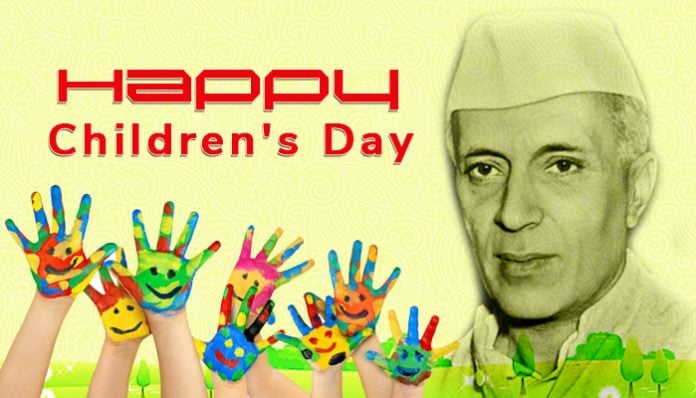
As we already know, the 14th of November is observed as Children’s Day in India. It is regarded as a special day in India as it commemorates the birth anniversary of India’s first Prime Minister, Pt. Jawaharlal Nehru, affectionately known as Chacha Nehru. This year marks his 132nd birth anniversary.
Earlier, in India Children’s Day was celebrated on 20th November (the date observed as Universal Children’s Day by the United Nations) but after his demise, the Indian Parliament passed a resolution that Pt. Jawaharlal Nehru’s birth date will now be celebrated as Children’s Day because he was fond of children. The significance of this day is to increase awareness of the rights, care and education of children.
Every year, schools and colleges hold a special function on this day. So, here are some essay ideas you can consider if you are taking part in an essay competition.
Essay 1
Children’s Day is the most auspicious day in the life of every child. In India, Children’s Day is celebrated on 14th November every year to commemorate the birth anniversary of our first Prime Minister, Pandit Jawaharlal Nehru. He loved children dearly and is fondly remembered as Chacha Nehru by them. After his death in 1964, his birthday was declared as Children’s Day nationwide.
Pandit Nehru was very fond of kids and advocated children’s education as he strongly believed that they were the future leaders of the nation. He was a strong believer in instilling rich moral virtues in children. He was of the opinion that children should be moulded from a young age properly so that they can become productive and responsible citizens of the country.
On this special day, most schools across the country celebrate it by organising socio-cultural programmes for children. Some of the events include poetry, recitation, fancy dress competition, singing and dancing events, skits and plays for children. Besides refreshments, kids are also gifted toys, clothes, stationery, chocolates, toffees and other interesting goodies. Sometimes, they also watch child-friendly films and shows.
Children’s Day, therefore, emphasises the importance of showering love and affection to each child. It is celebrated with great fervour and enthusiasm across the country. Every child cherishes this day as they get to enjoy it to the fullest. It is important to remember that this special occasion is celebrated to take Pandit Nehru’s dream of providing quality education to each child so that they can become the future building blocks of the nation and contribute towards the greater benefit of society.
Essay 2
Celebrated on the 14th of November every year, Children’s Day is an occasion that honours the joy of childhood. Pandit Jawaharlal Nehru, the first Prime Minister of India, was born on the 14th of November. He loved children, and he was a strong advocate of children’s education as he believed that they were the future leaders of the country. Pandit Nehru strongly believed that children could be moulded at a young age, which is why educating them to be productive and responsible citizens were of utmost importance. This is why, after his death in 1964, his birthday was declared Children’s Day, nationwide.
To commemorate Nehru’s love for children and his vision for them, Children’s Day is celebrated with much enthusiasm across the country. Schools organise events like dancing and singing competitions, plays, fancy dress parties, etc. Residential societies, governmental and non-governmental organisations also organise such activities in their respective capacities. Children are the stars of the show on this day – they are showered with gifts and praise. Several NGOs also organise drives to provide resources like food, clothing, and books to underprivileged children. It is important to remember the real reason to celebrate Children’s Day – to take forward Nehru’s dream of the education of children so that they can be valuable citizens of the nation.
Essay 3
Children’s Day or Baal Diwas is celebrated throughout the country on the 14th of November. Pandit Jawaharlal Nehru, the first Prime Minister of India, was born on this day, and he was of the opinion that children are the future of the nation. He believed that they could be moulded into responsible citizens and future leaders, and the way to achieve was that through good education. He was extremely fond of children, and children loved him – they called him Chacha Nehru. After his death in 1964, the 14th of November was declared Children’s Day as a tribute to his dream of educating the children of the nation.
Read Also: Children’s Day 2021: Wishes, quotes, messages to share with your loved ones
Today, Children’s Day is celebrated with a lot of enthusiasm. Organisations, schools, and even residential complexes organise programmes for children. There is dancing, singing, the performance of plays that centre around the beauty and importance of childhood, and even fancy dress competitions where kids can dress up as their favourite characters or personalities. The day is all about celebrating the joy of childhood, so it is ensured that children are given gifts, praise, and lots of delicious food.
Children’s Day is also an occasion when several non-governmental organisations go to orphanages to celebrate the day. Their representatives play with children, narrate stories, dance, sing, and distribute things like stationery, books, clothes, and food. These programmes are a good way to motivate children, in a fun and enjoyable manner.






Education
MCC announces NEET UG Counselling 2026 dates, check complete schedule
The Medical Counselling Committee has released the NEET UG Counselling 2026 schedule. Round 1 registration will begin on August 5, followed by four counselling phases, including the Online Stray Vacancy Round.


India News
Indian Army Agniveer CEE Result 2026 declared, ARO-wise merit list released
The Indian Army has announced the Agniveer CEE Result 2026. Candidates can now download the ARO-wise merit list and check their eligibility for the next stages of recruitment.
Education
Board exam marks may get 50% weightage in NEET, JEE admissions under proposed reforms
The Centre is considering giving 50% weightage to board exam marks in admissions based on NEET and JEE. The proposal is part of broader education reforms aimed at reducing exam stress and improving fairness in the admission process.

Magnitude 7 earthquake strikes Russia’s Kamchatka Peninsula

Mallikarjun Kharge’s ‘Your Friends’ jab at Rahul Gandhi over congress exits

Delhi deploys 25,000 personnel, installs CCTV cameras ahead of CJP march

Abhijeet Dipke detained ahead of CJP’s national flag march in Delhi

Mallikarjun Kharge seeks all-party meeting with PM Modi on delimitation

Centre sends 3 letters to Punjab government after anti-drug activist’s killing
Mallikarjun Kharge seeks all-party meeting with PM Modi on delimitation
Abhijeet Dipke detained ahead of CJP’s national flag march in Delhi
Magnitude 7 earthquake strikes Russia’s Kamchatka Peninsula
Delhi deploys 25,000 personnel, installs CCTV cameras ahead of CJP march

Afghan Men Try To Hang With The Jet Engine Of The Aircraft in Kabul- Afghanistan News – Kabul News
Trending Top 10 News: 10000 Crore Fine on Flipkart, Apple to Launch Unique Feature, Hdfc Bank Job Ad

Trending Top 10 News: Nokia 6310, Apple sales, Bachpan ka Pyar Video Kid, Dainik Bhaskar IT Raid

Trending Top 10 News: Canada bans Indian flights, Rain in Delhi NCR, AIMIM Twitter hacked, Raj Kundra case

Trending Top 10 News: Shein India, Apple New Service, Pocket Oxygen, Oppo Launched New Phone
-
 Latest world news20 hours ago
Magnitude 7 earthquake strikes Russia’s Kamchatka Peninsula
-
 India News20 hours ago
Mallikarjun Kharge’s ‘Your Friends’ jab at Rahul Gandhi over congress exits
-
 India News20 hours ago
Delhi deploys 25,000 personnel, installs CCTV cameras ahead of CJP march
-
 India News11 hours ago
Abhijeet Dipke detained ahead of CJP’s national flag march in Delhi
-
 India News10 hours ago
Mallikarjun Kharge seeks all-party meeting with PM Modi on delimitation
-
 India News9 hours ago
Centre sends 3 letters to Punjab government after anti-drug activist’s killing
