
India News
Constitution Day 2021: Why Constitution of India is called borrowed document? Is it right to call Indian Constitution bag of borrowing?
The Indian Constitution is the world’s longest written constitution, with 448 articles divided into 25 sections, 12 schedules, 5 appendices, and 98 amendments.

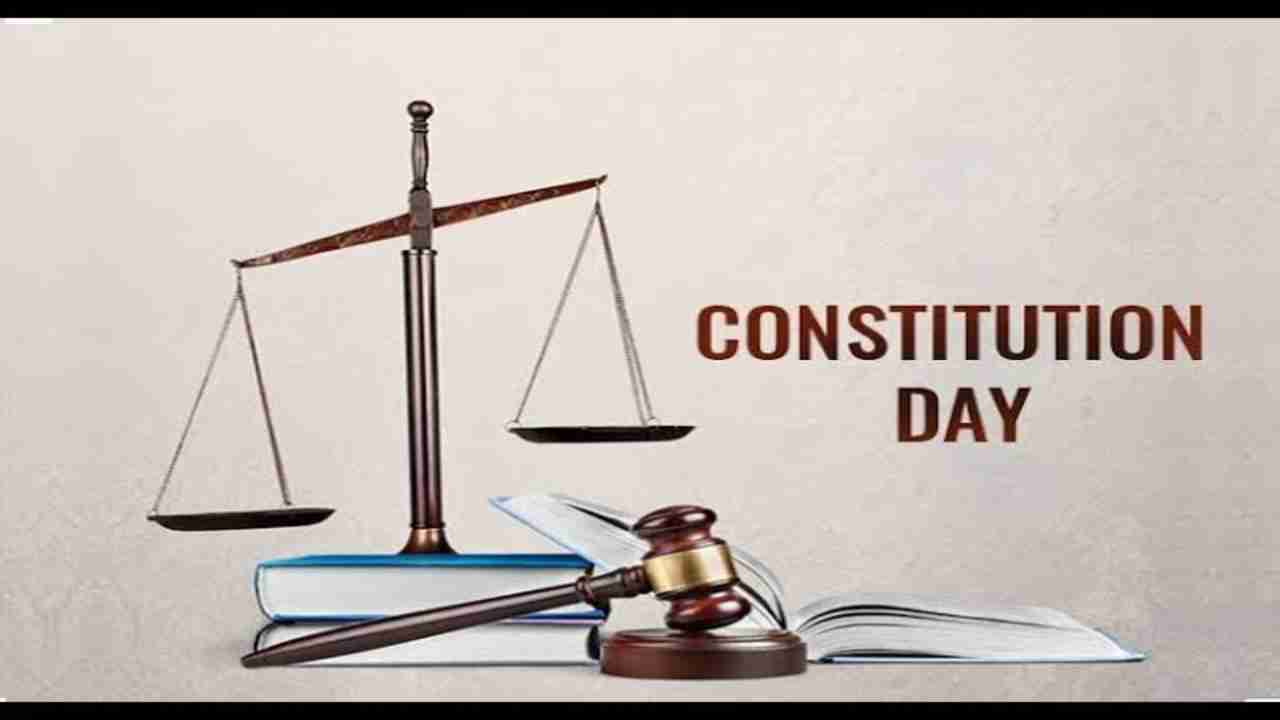
The Indian Constitution is the fundamental legislation of the country and is regarded as the foundation of democracy in our country. The Indian Constitution is the world’s longest written constitution, with 448 articles divided into 25 sections, 12 schedules, 5 appendices, and 98 amendments.
Indian Constitution is an umbrella of rights that gives the citizens of the country an assurance of free and fair societies.
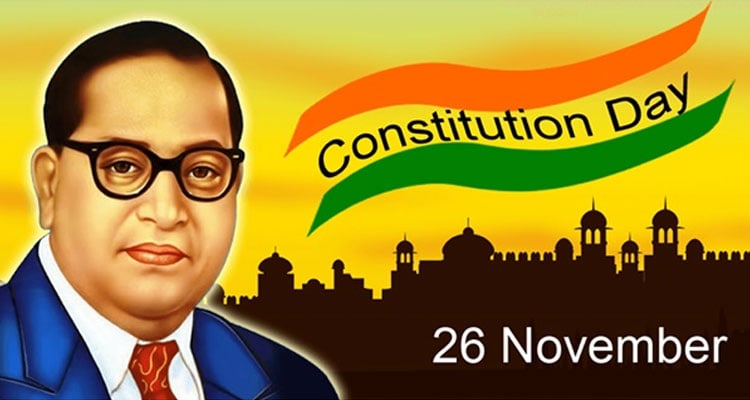
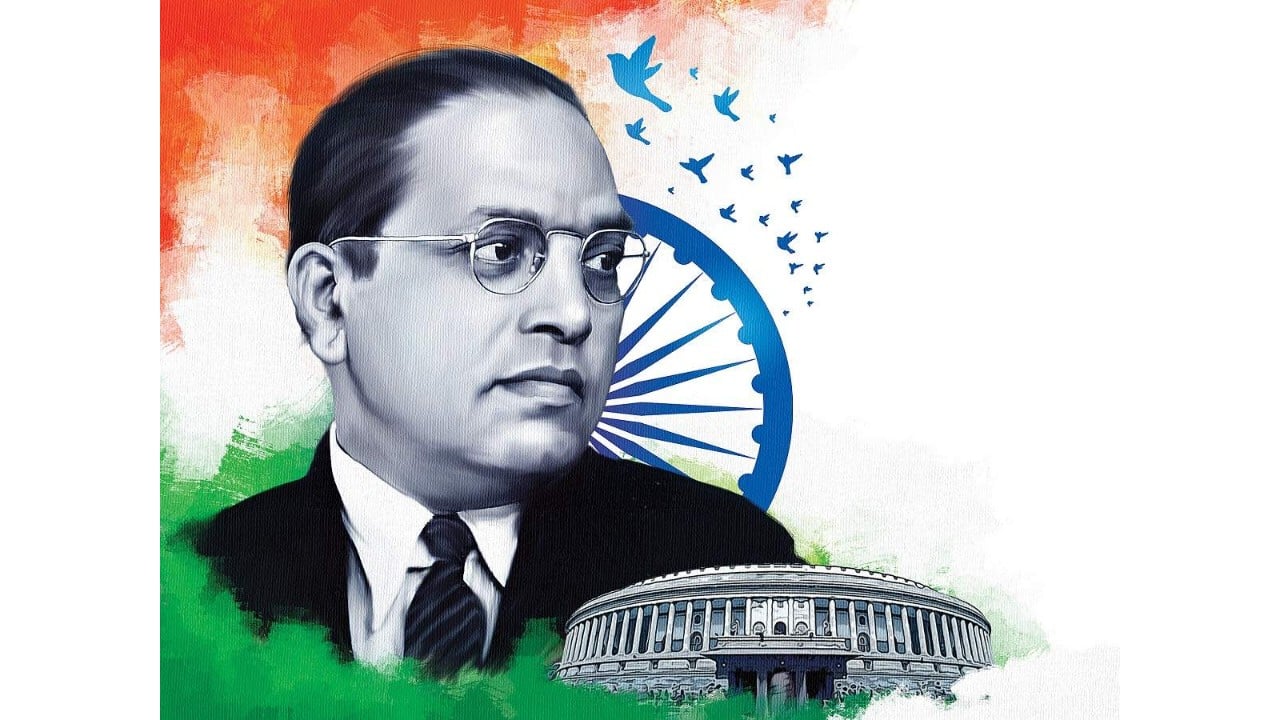
On 29 August 1947, the Constituent Assembly set up a Drafting Committee under the chairmanship of Dr B.R. Ambedkar to prepare a Draft Constitution for India and it was 26 November 1949 when the Constituent Assembly adopted the Indian Constitution.
Indian Constitution adopts various features from the Constitutions of many countries and this is the reason it is known as the bag of borrowings or borrowed documents. Despite borrowed documents, it contains all the structure, functioning and working of the Government of India.
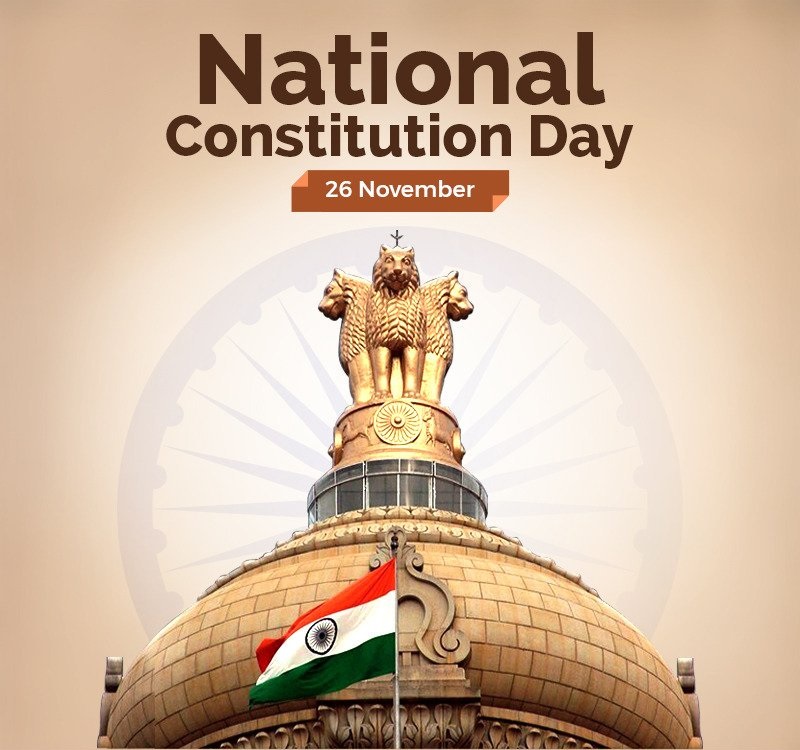
Here we present you with the features of the Indian Constitution that are borrowed from other nations.
| Source/Country | Provisions |
| Constitution of United States | 1. Preamble 2. Fundamental Rights 3. Federal structure of government 4. Electoral College 5. Independence of the judiciary and separation of powers among the three branches of the government 6. Judicial review 7. President as Supreme Commander of Armed Forces 8. Equal protection under law |
| Irish Constitution (Ireland) | 1. Directive Principles of State Policy 2. Nomination of members to Rajya Sabha 3. Method of Election of President |
| Australian Constitution | 1. Freedom of trade and commerce within the country and between the states 2. Power of the national legislature to make laws for implementing treaties, even on matters outside normal Federal jurisdiction 3. Concurrent List |
| British Constitution | 1. Parliamentary form of government 2. The idea of single citizenship 3. The idea of the Rule of law 4. Writs 5. Institution of Speaker and his role 6. Lawmaking procedure 7. Procedure established by Law |
| Canadian Constitution | 1. A quasi-federal form of government — a federal system with a strong central government 2. Distribution of powers between the central government and state governments 3. Residual powers retained by the central government |
| French Constitution | 1. Republic and the ideals of Liberty, Equality and Fraternity in the Preamble |
| Constitution of Soviet Union (USSR) | 1. Fundamental Duties under Article 51-A 2. A Constitutionally mandated Planning Commission to oversee the development of the economy |
| Constitution of Japan | 1. Procedure Established by Law |
| Constitution of South Africa | 1. Procedure for amendment 2. Election of Rajya Sabha members |
| Constitution of Germany | 1. Emergency powers to be enjoyed by the Union 2. Suspension of Fundamental Rights during emergency |
| Constitution of Russia | 1. Fundamental Duties 2. Idea of Social, Economic, and Political Justice in Preamble |
| Government of India Act 1935 | 1. Federal Scheme 2. Emergency Provisions 3. Public Service Commissions 4. Office of Governor 5. Judiciary 6. Administrative Details |
Is Indian Constitution a borrowed bag?
The Indian Constitution is a one-of-a-kind constitution that was designed over the course of three years by the constituent assembly. Even while some aspects of the Indian constitution are taken from other countries, it is incorrect to claim that it is a bag of borrowings. Read to know why!
Read Also: Constitution Day 2021: Here are short essays that can make you win competition on Samvidhan Diwas
- Even though various provisions are borrowed from other countries’ constitution but they are incorporated into the Indian Constitution to fit its political ideology and governance. They are not exactly copied.
- The Indian Constitution is the most extensive constitution in the world. The American Constitution includes only seven articles, the Australian Constitution has 128 articles, the Indian Constitution initially had 395 articles and has now extended to 448.
- The Indian Constitution is distinctive in both content and spirit.
- It is written with the historical perspective of Indian nationalist struggles in mind, as well as keeping the geographical variety of India in consideration. Its unique and distinctive attributes and aspects distinguish it apart from any other country.




India News
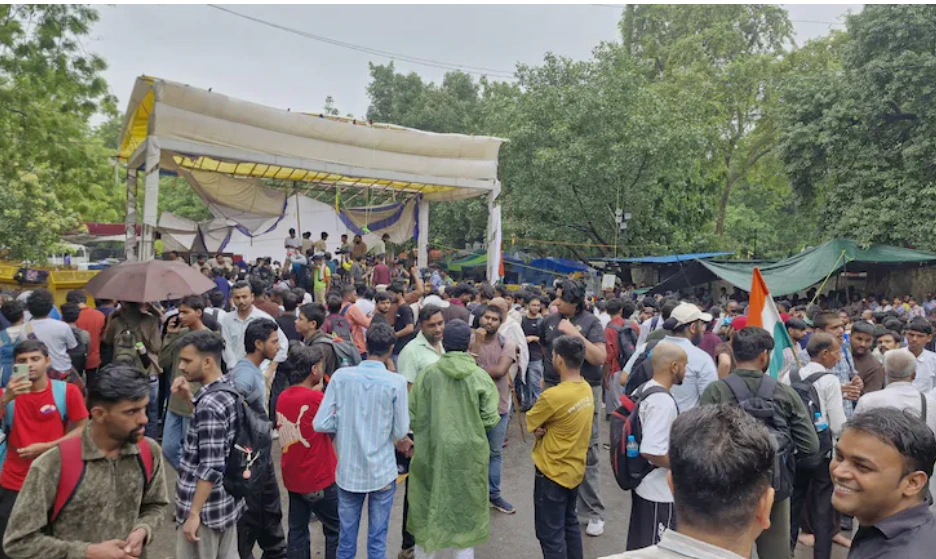
Delhi Police offers 11-person limit for CJP’s Connaught Place protest
Delhi Police has offered to facilitate a group of 11 people at Central Park in Connaught Place for the Cockroach Janata Party’s October 16 protest, while warning that violations of prohibitory orders could invite legal action.

India News
Actor Imran Khan asked to leave India after CJP protest
Actor Imran Khan has been asked to leave India by October 28, days after participating in a protest called by the Cockroach Janta Party (CJP) in Mumbai.

India News
Election Commission orders voter roll revision in 17 states, UTs
The Election Commission has ordered a Special Summary Revision of electoral rolls in 17 states and Union Territories. Draft rolls are scheduled for November 12, with final rolls due on January 4, 2027.

Dhruv Rathee gets fresh summons in 2018 BJP IT cell video case

Nobody can browbeat judiciary, Chief Justice warns over Rahul Gandhi’s march

India-US trade deal first phase finalised, drafting underway

Election Commission orders voter roll revision in 17 states, UTs

Actor Imran Khan asked to leave India after CJP protest

Delhi Police offers 11-person limit for CJP’s Connaught Place protest
Actor Imran Khan asked to leave India after CJP protest
Election Commission orders voter roll revision in 17 states, UTs
India-US trade deal first phase finalised, drafting underway
Nobody can browbeat judiciary, Chief Justice warns over Rahul Gandhi’s march

Afghan Men Try To Hang With The Jet Engine Of The Aircraft in Kabul- Afghanistan News – Kabul News
Trending Top 10 News: 10000 Crore Fine on Flipkart, Apple to Launch Unique Feature, Hdfc Bank Job Ad

Trending Top 10 News: Nokia 6310, Apple sales, Bachpan ka Pyar Video Kid, Dainik Bhaskar IT Raid

Trending Top 10 News: Canada bans Indian flights, Rain in Delhi NCR, AIMIM Twitter hacked, Raj Kundra case

Trending Top 10 News: Shein India, Apple New Service, Pocket Oxygen, Oppo Launched New Phone
-
 India News13 hours ago
Dhruv Rathee gets fresh summons in 2018 BJP IT cell video case
-
 India News10 hours ago
Nobody can browbeat judiciary, Chief Justice warns over Rahul Gandhi’s march
-
 India News5 hours ago
India-US trade deal first phase finalised, drafting underway
-
 India News3 hours ago
Election Commission orders voter roll revision in 17 states, UTs
-
 India News2 hours ago
Actor Imran Khan asked to leave India after CJP protest
-
 India News1 hour ago
Delhi Police offers 11-person limit for CJP’s Connaught Place protest
