
India News
Pakistan Quotes Arundhati Roy to Defuse Sushma Swaraj Attack


[vc_row][vc_column][vc_column_text]Whole populations of Dalits, Adivasis, Muslims, and Christians are being forced to live in terror, says Maleeha Lodhi
Pakistan’s permanent representative to UN Maleeha Lodhi on Saturday invoked acclaimed Indian novelist Arundhati Roy in her rebuttal to External Affairs Minister Sushma Swaraj’s speech at UN General Assembly denouncing Islamabad as the “world’s greatest exporter of havoc, death and inhumanity.”
“Much of what is in the air in India now is pure terror, in Kashmir, in other places,” Lodhi quoted from a statement of Roy.
 She also went to on quote from Roy’s November 2015 statement which she made a reference to lynching incidents against Muslims and Dalits in the country. “These horrific murders are only a symptom. Life is hell for the living too. Whole populations of Dalits, Adivasis, Muslims, and Christians are being forced to live in terror, unsure of when and from where the assault would come,” Lodhi quoted.
Pakistan’s response also delved into Indian politics and Kashmir issue. Lodhi said the state is not part of India and thus India’s military operation is illegal.
She borrowed standard lines of a section of Indian socialists to belittle BJP governments at the Centre and UP. She termed Prime Minister Narendra Modi and his government as a “fascist” and Uttar Pradesh Chief Minister Yogi Adityanath as a “fanatic”. She said that a racist and fascist ideology was firmly embedded in Modi’s government as its leadership was drawn from the RSS which is accused of assassinating Mahatma Gandhi.
Earlier, minister of external affairs Sushma Swaraj, while addressing UN General Assembly had tore into the neighbouring country calling Pakistan a “pre-eminent exporter of terror”.
“We (India) produced scholars, doctors, engineers. What have you produced? You have produced terrorists,” Swaraj said while adding that terrorism is an existentialist danger to humankind and that there is no justification for barbaric violence.[/vc_column_text][/vc_column][/vc_row]







India News
Fire in ICU at SCB medical college hospital in Cuttack kills 10 patients
Ten patients died after a fire broke out in the trauma ICU at SCB medical college hospital in Cuttack early Monday morning. Odisha Chief Minister Mohan Charan Majhi announced compensation and ordered a judicial probe.


India News
Arvind Kejriwal moves Supreme Court against Delhi High Court order in excise policy case
Arvind Kejriwal has approached the Supreme Court challenging a Delhi High Court order related to proceedings in the excise policy case and alleging violation of his fundamental rights.

India News
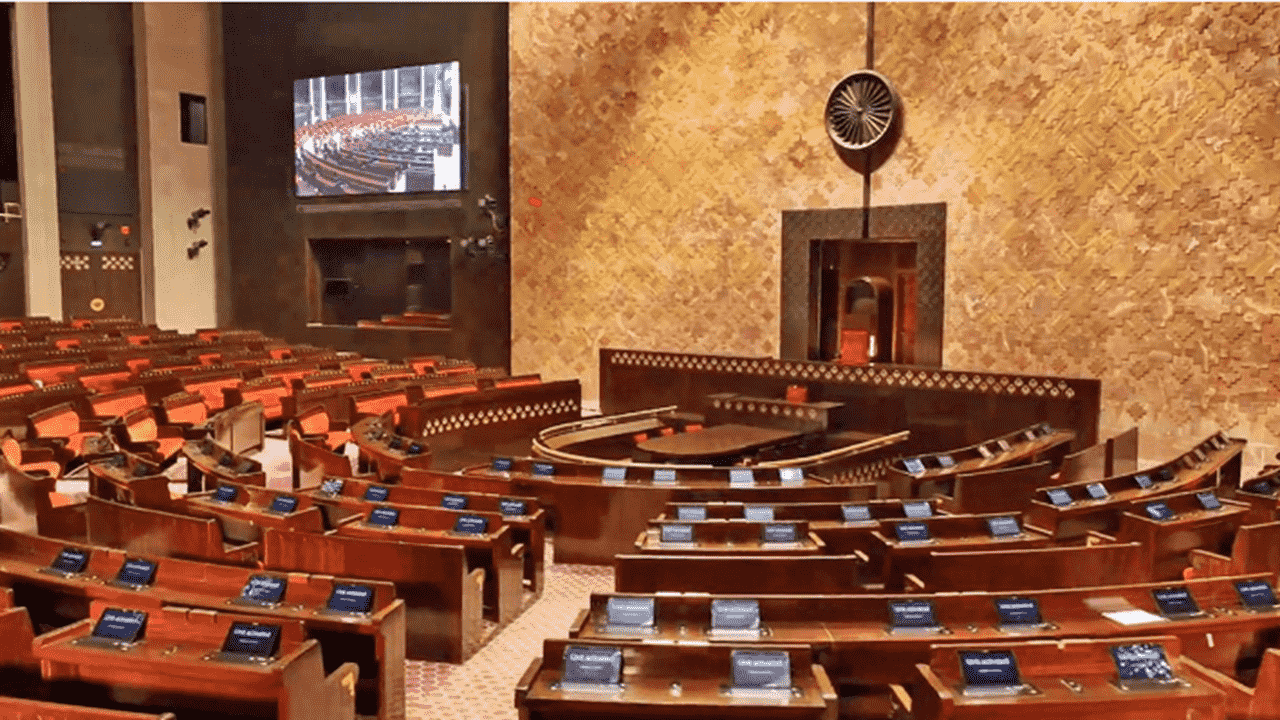
Rajya Sabha elections Voting begins for 37 seats across 10 states
Voting for the biennial Rajya Sabha elections is underway for 37 seats across 10 states, with polling from 9 am to 4 pm and counting scheduled at 5 pm.

Election Commission announces assembly poll schedule for West Bengal, Tamil Nadu, Kerala, Assam and Puducherry

Fire near Dubai International Airport after drone incident, flights temporarily suspended

Fire in ICU at SCB medical college hospital in Cuttack kills 10 patients

Rajya Sabha elections Voting begins for 37 seats across 10 states

Arvind Kejriwal moves Supreme Court against Delhi High Court order in excise policy case
Fire in ICU at SCB medical college hospital in Cuttack kills 10 patients
Arvind Kejriwal moves Supreme Court against Delhi High Court order in excise policy case
Rajya Sabha elections Voting begins for 37 seats across 10 states
Fire near Dubai International Airport after drone incident, flights temporarily suspended
Election Commission announces assembly poll schedule for West Bengal, Tamil Nadu, Kerala, Assam and Puducherry

Afghan Men Try To Hang With The Jet Engine Of The Aircraft in Kabul- Afghanistan News – Kabul News
Trending Top 10 News: 10000 Crore Fine on Flipkart, Apple to Launch Unique Feature, Hdfc Bank Job Ad

Trending Top 10 News: Nokia 6310, Apple sales, Bachpan ka Pyar Video Kid, Dainik Bhaskar IT Raid

Trending Top 10 News: Canada bans Indian flights, Rain in Delhi NCR, AIMIM Twitter hacked, Raj Kundra case

Trending Top 10 News: Shein India, Apple New Service, Pocket Oxygen, Oppo Launched New Phone
-
 India News17 hours ago
Election Commission announces assembly poll schedule for West Bengal, Tamil Nadu, Kerala, Assam and Puducherry
-
 Latest world news5 hours ago
Fire near Dubai International Airport after drone incident, flights temporarily suspended
-
 India News4 hours ago
Fire in ICU at SCB medical college hospital in Cuttack kills 10 patients
-
 India News5 hours ago
Rajya Sabha elections Voting begins for 37 seats across 10 states
-
 India News4 hours ago
Arvind Kejriwal moves Supreme Court against Delhi High Court order in excise policy case
