
India News
Rahul Gandhi Emerges Centre of Opposition Unity


Opposition leaders pay respect to Congress president, Kejriwal leaves before Rahul’s arrival at Jantar Mantar
In a major show of opposition strength and their commitment to “unseat” the BJP led NDA from centre and states, leaders of a dozen political parties shared a platform, on Saturday, at capital’s Jantar Mantar and protested against the heinous sexual abuse cases in a shelter home in Muzaffarpur, Bihar.
The event was a clear indication of opposition getting together before the upcoming assembly elections in Mizoram,Rajasthan, Chhattisgarh, Madhya Paradesh to be held later this year and the 2019 Lok Sabha elections. The protest was organized by Rashtriya Janata Dal (RJD).

Read More: Modi Criticise Opposition for Not Prioritizing Development
It came after BJP president Amit Shah dismissed the possibility of the opposition doing a repeat of Bihar ‘maha-gathbandhan’, or grand alliance, against the BJP-led NDA in 2019 Lok Sabha polls.
This was the repeat of display of opposition after May, 12 swearing-in of H D Kumarasway as Karnataka chief minister.
Read More: Kumaraswamy sworn in Karnataka CM, G Parameshwara of Cong as deputy, united Opposition turns up
In June, four chief ministers from opposition-governed states West Bengal, Andhra Pradesh, Karnataka and Kerala had thrown their weight behind Delhi CM Arvind Kejriwal’s protest against the Lt Governor and the Centre.

Rahul Gandhi received respect from all the opposition leaders present on the dais by standing on his arrival and held each other’s hands raising them in a show of unity.
Read More: Karnataka provides platform for opposition unity
Rahul Gandhi made unequivocal remarks saying “opposition stands united” against BJP’s “assault” on India’s history and culture. He was quoted saying, “On one hand, you have the ideology of the BJP and the RSS, and on the other is the entire country. In the coming days, the entire country will see this – the Prime Minister and the BJP will (also) see this.”
Read More: “Opposition must have unity and common agenda”
He said that people of the country do not like “whatever has happened” during last four years of PM Narendra Modi-led government took.He said, “India stands united against the assault on its history and culture. And when India makes up its mind, no power can stand in front of it.”
Rahul Gandhi, while condemning the sexual abuse in Muzaffarpur, said that if the Bihar Chief Minister is actually “ashamed” it should reflect in his actions. “We have come here to send a message that we are with women, we are with the children, and we are not going to backtrack,” he said.
Leaders from the Congress, Trinamool Congress, RJD, Samajwadi Party, CPI(M), CPI, DMK, Aam Aadmi Party (AAP), and Indian National Lok Dal shared the stage. The RLD’s Jayant Chaudhary lent support through a written message. RJD national spokesperson Manoj Jha told The Sunday Express that the BSP also extended solidarity through a message.
Loktrantik Janta Dal mentor Sharad Yadav, who had a bitter fallout with the Nitish Kumar-led JD(U), and former Bihar CM Jitan Ram Manjhi of HAMS were also present.
JNU student leaders Kanhaiya Kumar and Shehla Rashid also shared the dais.
Bihar’s former deputy CM Tejaswi Yadav, while addressing the gathering launched scathing attack on state CM Nitish Kumar, saying that the state was going through “rakshash raj” (demon’s days) under “Paltu babu”, a reference to Nitish changing sides. “We have come here because Chacha’s (Nitish’s) conscience does not seem to be responding,” he said.
Read More: No confidence vote: Outcome known, BJP & Opposition hope to score propaganda points
He alleged that the state government has “completely failed” to maintain law and order. “We are not demanding his resignation, but the people are watching. It is up to them – vote for whoever you want, but should a CM who shielded criminals not be taken to task,” he asked.
Delhi’s CM Arvind Kejriwal, while referring to the December 2012 Delhi gangrape and murder case, said, “When one Nirbhaya was brutalised, the UPA was rattled. Here we have 40 Nirbhayas who are victims (in Muzaffarpur). And if the people in power do not realise this, then people of the country will topple them 40 times.”
Kejriwal demanded that perpetrators of the Muzaffarpur crime be given capital punishment and the case must be investigated within three months. He left the venue before Congress President Rahul Gandhi’s arrived to the venue.
CPI(M) leader Sitaram Yechury maintained that everything is taking place under the “patronage” of the BJP and NDA. He alleged that “The slogan has changed from ‘beti bachao’ to ‘BJP se beti bachao (save the girls from BJP).”






India News
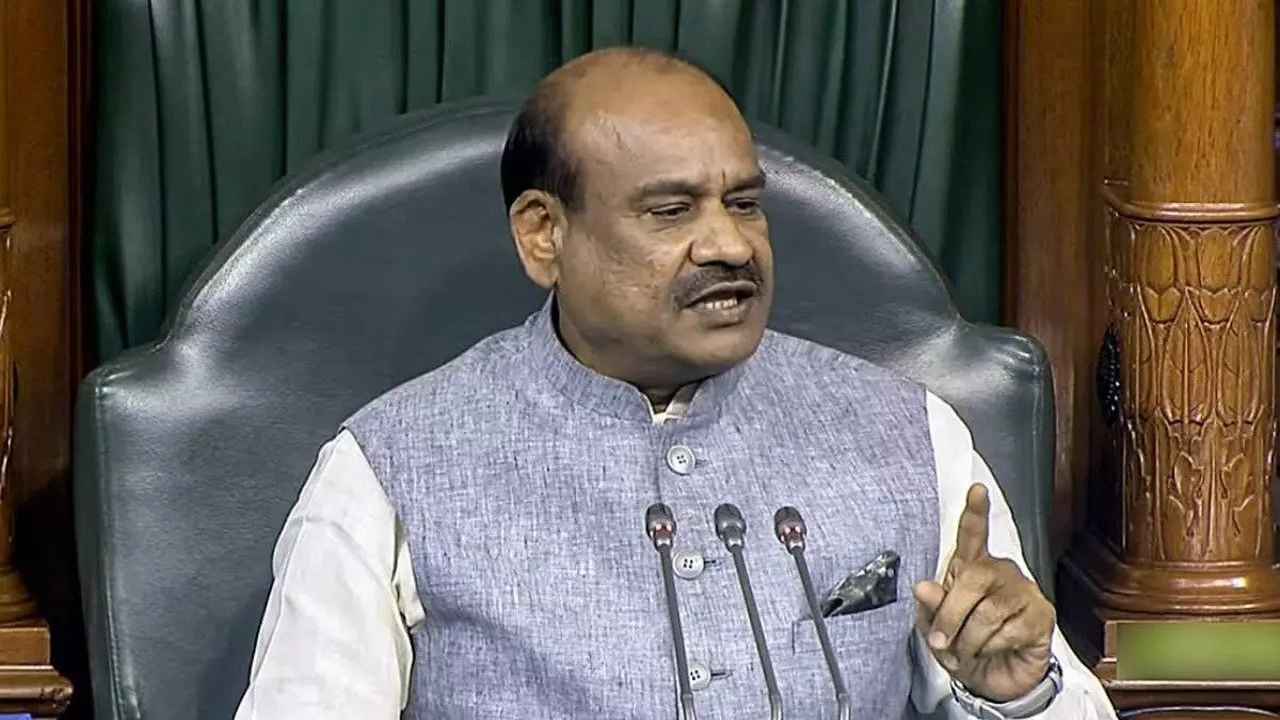
Om Birla likely to move motion to revoke suspension of 8 opposition MPs today
The Lok Sabha is likely to revoke the suspension of eight opposition MPs today, with a motion expected to be moved by the government following consensus on maintaining discipline.

India News
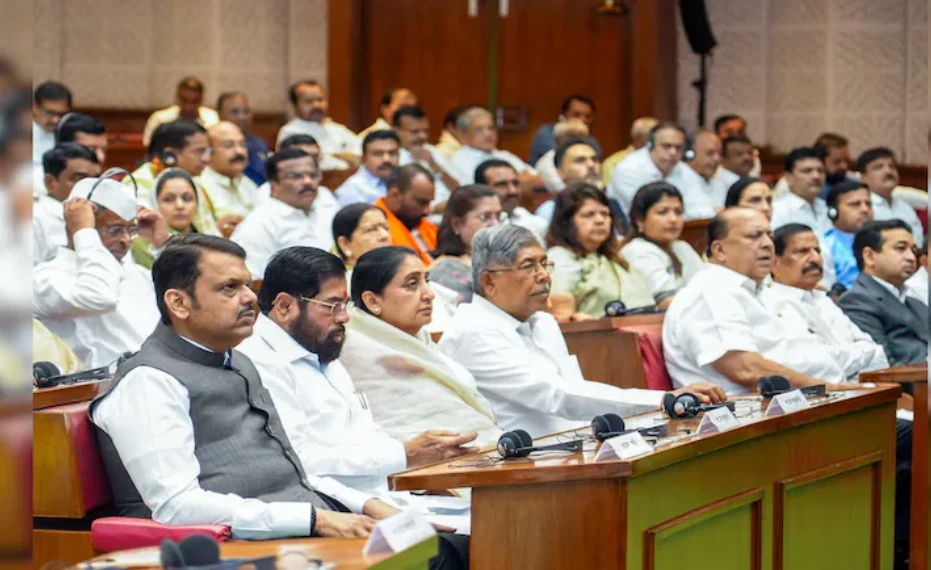
Maharashtra passes freedom of religion bill with jail term up to 10 years
Maharashtra passes anti-conversion bill with strict jail terms and fines, aiming to curb unlawful religious conversions.
India News
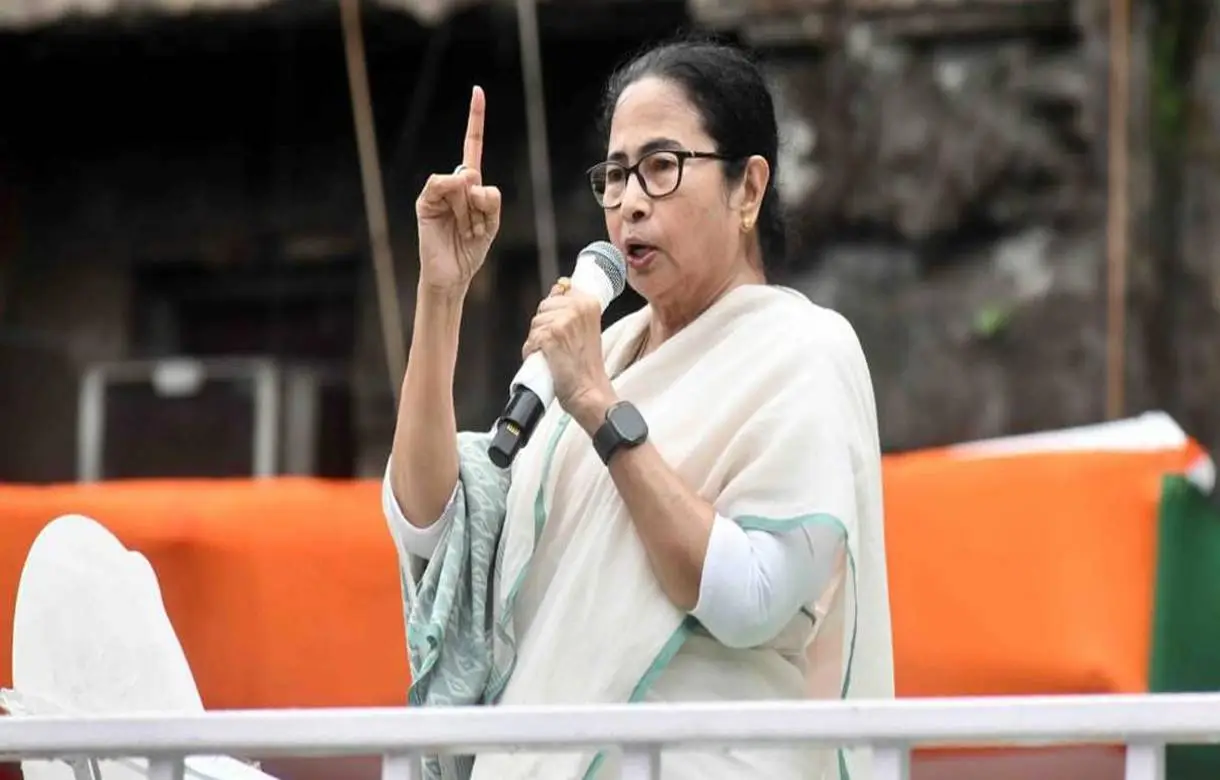
Mamata Banerjee writes to poll chief over officers’ reshuffle, calls move arbitrary
Mamata Banerjee has written to the Chief Election Commissioner, calling the reshuffle of senior Bengal officials arbitrary and raising concerns over constitutional norms.

BJP releases first list of 47 candidates for Kerala assembly polls

Pakistan airstrike allegations on Kabul hospital leave hundreds dead, claims Taliban

Mamata Banerjee writes to poll chief over officers’ reshuffle, calls move arbitrary

Om Birla likely to move motion to revoke suspension of 8 opposition MPs today

Maharashtra passes freedom of religion bill with jail term up to 10 years
Om Birla likely to move motion to revoke suspension of 8 opposition MPs today
Maharashtra passes freedom of religion bill with jail term up to 10 years
Mamata Banerjee writes to poll chief over officers’ reshuffle, calls move arbitrary
Pakistan airstrike allegations on Kabul hospital leave hundreds dead, claims Taliban
BJP releases first list of 47 candidates for Kerala assembly polls

Afghan Men Try To Hang With The Jet Engine Of The Aircraft in Kabul- Afghanistan News – Kabul News
Trending Top 10 News: 10000 Crore Fine on Flipkart, Apple to Launch Unique Feature, Hdfc Bank Job Ad

Trending Top 10 News: Nokia 6310, Apple sales, Bachpan ka Pyar Video Kid, Dainik Bhaskar IT Raid

Trending Top 10 News: Canada bans Indian flights, Rain in Delhi NCR, AIMIM Twitter hacked, Raj Kundra case

Trending Top 10 News: Shein India, Apple New Service, Pocket Oxygen, Oppo Launched New Phone
-
 India News15 hours ago
BJP releases first list of 47 candidates for Kerala assembly polls
-
 India News1 hour ago
Pakistan airstrike allegations on Kabul hospital leave hundreds dead, claims Taliban
-
 India News1 hour ago
Mamata Banerjee writes to poll chief over officers’ reshuffle, calls move arbitrary
-
 India News9 mins ago
Om Birla likely to move motion to revoke suspension of 8 opposition MPs today
-
 India News49 mins ago
Maharashtra passes freedom of religion bill with jail term up to 10 years
