English हिन्दी
Connect with us

India News

Third Covid wave expected to impact India in 6 to 8 weeks, says AIIMS chief

Published

on

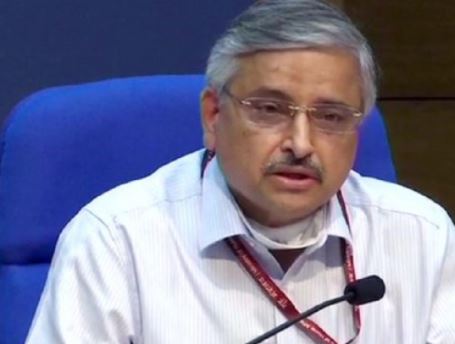
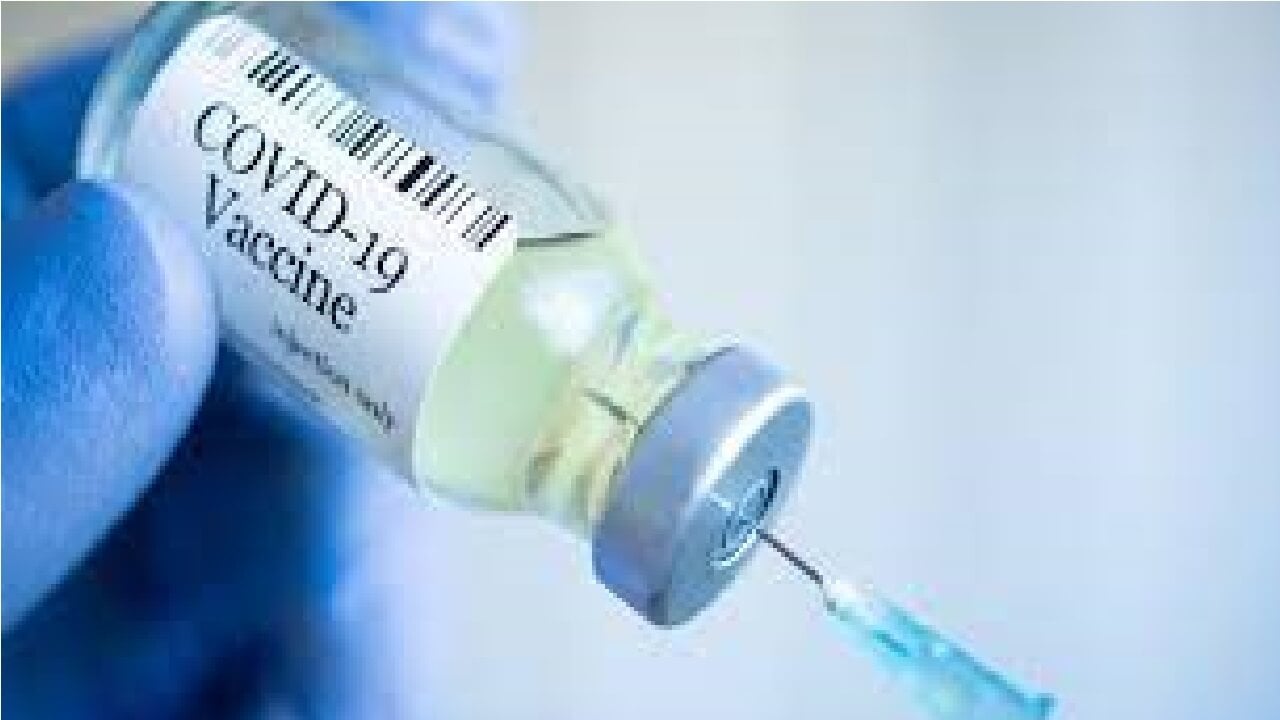
In view of unlocking in various states after strict restrictions, AIIMS Chief Dr. Randeep Guleria on Saturday warned that India is certain to face the inevitable third wave of the Covid-19 pandemic in the next six to eight weeks.

In an interview with NDTV, Dr Guleria said, as we have started unlocking, there is again a lack of Covid-appropriate behaviour. We don’t seem to have learnt from what happened between the first and the second wave. Again crowds are building up, people are gathering. 

It will take some time for the number of cases to start rising at the national level. Third-wave is inevitable and it could hit the country within the next six to eight weeks, maybe a little longer. It all depends on how we go ahead in terms of Covid-appropriate behaviour and preventing crowds, he added.

Highlighting the importance of vaccination, Dr. Guleria said the country’s main challenge is vaccinating a huge population and the increase in dose gaps for Covishield may not be a bad approach to provide protection to cover more people. A new wave can usually take up to three months but it can also take much less time, depending on various factors. Apart from Covid-appropriate behaviour, we need to ensure strict surveillance. Last time, we saw a new variant – which came from outside and developed here which led to a huge surge in the number of cases. We know the virus will continue to mutate. Aggressive surveillance in hotspots is required, he said.

Several states have begun reopening after lengthy lockdowns over the second wave. Dr. Guleria suggested that local-level lockdowns in any part of the country, which sees a rise in positivity rate beyond 5%, should be imposed. He underlined that people are vulnerable unless they are vaccinated. He also stressed that testing, tracking, and treating should be the focus in hotspots. We have to factor in human behaviour while unlocking, which needs to be done in a graded manner,  he said.

While talking about the new Delta-plus variant, which has evolved from the Delta variant of Covid-19, he suggested that a new frontier will have to be developed in India’s fight against Covid to further study the mutation of the virus. During the first wave (in India), the virus was not spreading that rapidly,  all that changed during the second wave, and the virus became much more infectious. Now the Delta variant that’s spreading is much more infectious. Faster spread is likely, he added.

The AIIMS chief further suggested that the strategy should be multi-pronged and we have to make sure fresh cases don’t rise while asserting that when there is a huge increase in the number of cases, shortage of hospital beds follows. Any healthcare system globally will tend to collapse with the unprecedented rise in infections.

Dr. Guleria wondered if India needed to reconsider its 12-16 week gap decision between two doses of Covishied, a vaccine the country is largely dependent on. Nothing is written in stone. We will have to look at new strategies. But we need to have strong data to make that decision, said the AIIMS chief, suggesting that the decision should be driven by science and not the shortage of doses.

Pointing out the UK’s one-shot strategy for AstraZeneca and Pfizer, Dr. Guleria said the one-shot strategy may not be a bad strategy as it can give protection to a larger number of people.

India News

JNU protest turns violent as Left and Right student groups trade charges

A late-night protest at JNU turned violent as Left and ABVP student groups accused each other of stone-throwing and attacks near the East Gate.

Published

on

JNU Protest

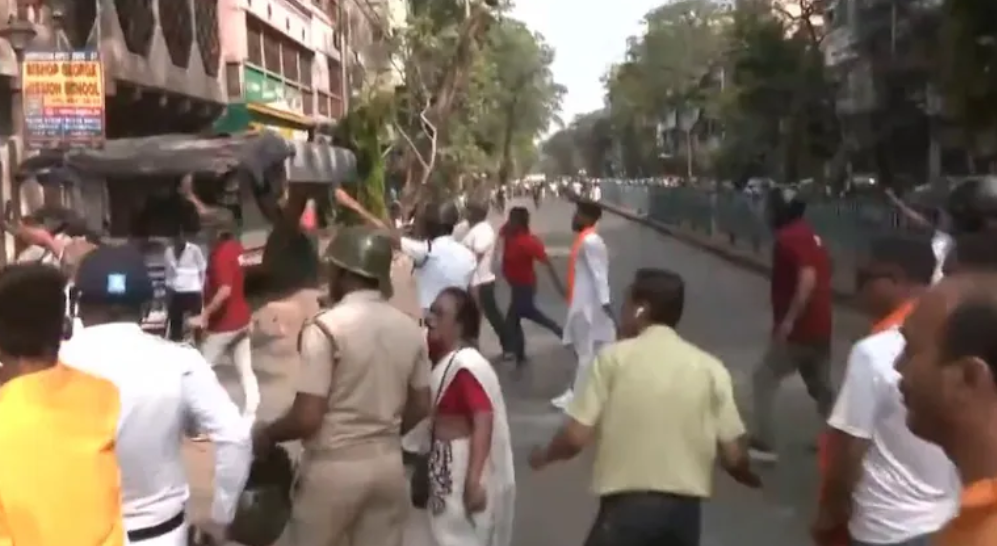
Tension gripped the campus of Jawaharlal Nehru University in the early hours of Monday after a protest march allegedly spiralled into violence, with rival student groups accusing each other of triggering the unrest.

Students claimed that the incident occurred around 1.30 am when a confrontation broke out during a march called by the Jawaharlal Nehru University Students’ Union. The protest, named “Samta Juloos”, was headed towards the East Gate and was organised to demand the resignation of Vice-Chancellor Santishree Dhulipudi Pandit and the withdrawal of a rustication order.

According to protesters, several students were injured after alleged stone-throwing during the clash. They alleged that the university administration did not intervene during the march and instead permitted members of the Akhil Bharatiya Vidyarthi Parishad to confront demonstrators.

However, the ABVP denied the allegations and countered that Left-affiliated organisations instigated the confrontation and were spreading misinformation about the events.

Left-backed groups, including the All India Students’ Association, claimed that ABVP activists targeted the JNUSU encampment and hurled stones at “unarmed students”, leading to multiple injuries.

Videos shared by students on social media reportedly showed chaotic scenes near the protest site, with members of rival groups engaged in heated exchanges and physical scuffles.

University authorities did not immediately respond to queries regarding the incident. Students said the situation on campus remained tense following the overnight clashes.

Continue Reading

India News

World praised India’s AI potential at AI Impact Summit, says PM Modi

PM Modi said the world praised India’s AI potential at the AI Impact Summit 2026, where 89 countries endorsed the New Delhi Declaration on artificial intelligence.

Published

on

pm modi speech

Prime Minister Narendra Modi on Monday said that the world wholeheartedly praised India’s potential during the recently concluded AI Impact Summit 2026 in New Delhi, highlighting the growing global confidence in the country’s young technology talent.

In a post on X, the Prime Minister said the summit demonstrated how the mindset of India’s youth in the field of technology would serve humanity at large. He described the event as historic and underlined the positive global response to India’s AI capabilities.

The AI Impact Summit 2026, organised in New Delhi last week, concluded with the adoption of the New Delhi Declaration on AI Impact. The declaration has been endorsed by 89 countries and international organisations, signalling broad global agreement on promoting artificial intelligence for economic growth and social welfare.

Broad global participation

The summit saw the participation of several prominent world leaders and top technology executives. Among those present were UN Secretary-General Antonio Guterres, French President Emmanuel Macron, Brazilian President Luiz Inacio Lula da Silva, and Swiss President Guy Parmelin.

Other leaders attending the summit included Sri Lanka President Anura Kumara Dissanayake, Bhutan Prime Minister Tshering Tobgay, Mauritius Prime Minister Navinchandra Ramgoolam, Croatia Prime Minister Andrej Plenkovic, Serbia President Aleksandar Vucic, Seychelles Vice President Sebastien Pillay, Estonia President Alar Karis, and Finland Prime Minister Petteri Orpo.

Chief executives and senior leaders from major global technology firms were also part of the gathering.

Focus on inclusive AI growth

Held under the theme ‘Sarvajan Hitay, Sarvajan Sukhay’ (welfare for all, happiness of all), the summit aimed to position India as a global leader in artificial intelligence while ensuring that AI development remains inclusive and sustainable.

The event brought together more than 500 international AI leaders. This included around 100 CEOs and founders, 150 academicians and researchers, and 400 CTOs, vice presidents and philanthropists. Additionally, over 100 government representatives and nearly 60 ministers and vice ministers participated in discussions.

The New Delhi Declaration seeks to strengthen international cooperation and ensure that AI technologies contribute to economic progress, social good and environmental protection.

Continue Reading

India News

Devendra Fadnavis seeks CBI probe into Ajit Pawar plane crash

Maharashtra Chief Minister Devendra Fadnavis has requested a CBI investigation into the plane crash that killed Deputy CM Ajit Pawar, alongside ongoing DGCA and CID probes.

Published

on

Ajit Pawar plane crash

The Maharashtra government has sought a Central Bureau of Investigation (CBI) probe into the plane crash that claimed the life of Deputy Chief Minister Ajit Pawar last month, Chief Minister Devendra Fadnavis said on Sunday.

Addressing a press conference on the eve of the state budget session, Fadnavis said the request for a CBI inquiry had been conveyed to Union Home Minister Amit Shah. He added that the move followed a letter from the Nationalist Congress Party (NCP), an ally of the BJP, demanding a central probe into the incident.

Multiple investigations underway

Fadnavis said investigations by the Directorate General of Civil Aviation (DGCA) and the state Criminal Investigation Department (CID) are already in progress. The proposed CBI probe would run parallel to these inquiries to address any concerns surrounding the crash.

Ajit Pawar and four others were killed on January 28 when a chartered Learjet 45 aircraft crashed while attempting to land near Baramati in Pune district.

The chief minister said the government is committed to clearing all doubts related to the incident and will ensure regular follow-up of the investigations. He urged people to avoid speculation and wait for the official findings.

Allegations and political reactions

Rohit Pawar, nephew of the late NCP leader and a member of the NCP (SP), has raised allegations about the circumstances of the crash and suggested possible foul play. On Saturday, he wrote to Prime Minister Narendra Modi seeking the resignation of Civil Aviation Minister K Rammohan Naidu until the inquiry is completed.

Rohit Pawar has also questioned the company VSR, which owned the ill-fated aircraft, and alleged links with the civil aviation minister.

Fadnavis said the DGCA is conducting an audit of the VSR company and examining its logbooks. He maintained that both the DGCA and the civil aviation ministry have nothing to hide.

Highlighting the broader implications of the incident, Fadnavis noted that the probe is important for ensuring the safety of political leaders, adding that he had travelled on the same VSR aircraft on several occasions.

Deputy Chief Minister Sunetra Pawar, who was present at the press conference along with Deputy Chief Minister Eknath Shinde, said the state government has formally requested a CBI probe and assured a thorough investigation.

The issue is expected to be discussed during the budget session of the Maharashtra legislature, amid sharp exchanges between the ruling alliance and the Opposition. The Opposition also boycotted the customary tea party hosted by the chief minister, citing concerns over the potential impact of the Indo-US trade deal on cotton growers and fisherfolk in the state.

Continue Reading

Trending

© Copyright 2022 APNLIVE.com