English हिन्दी
Connect with us

India News

Assembly elections 2023: 77.67% voter turnout in Mizoram, over 71% voter turnout in Chhattisgarh till 6 pm

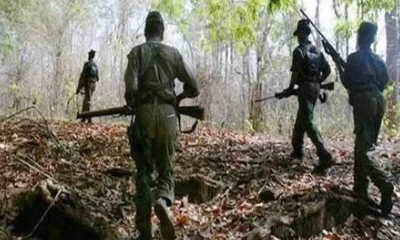
Voting is also being held in the naxal affected Karigundam area in Sukma after a span of 23 years. According to reports the election process is being held under the security cover by CRPF 150 battalion and District force.

Published

on

Assembly elections 2023: Over 7.67% voter turnout in Mizoram, 9% voter turnout in Chhattisgarh till 9 am

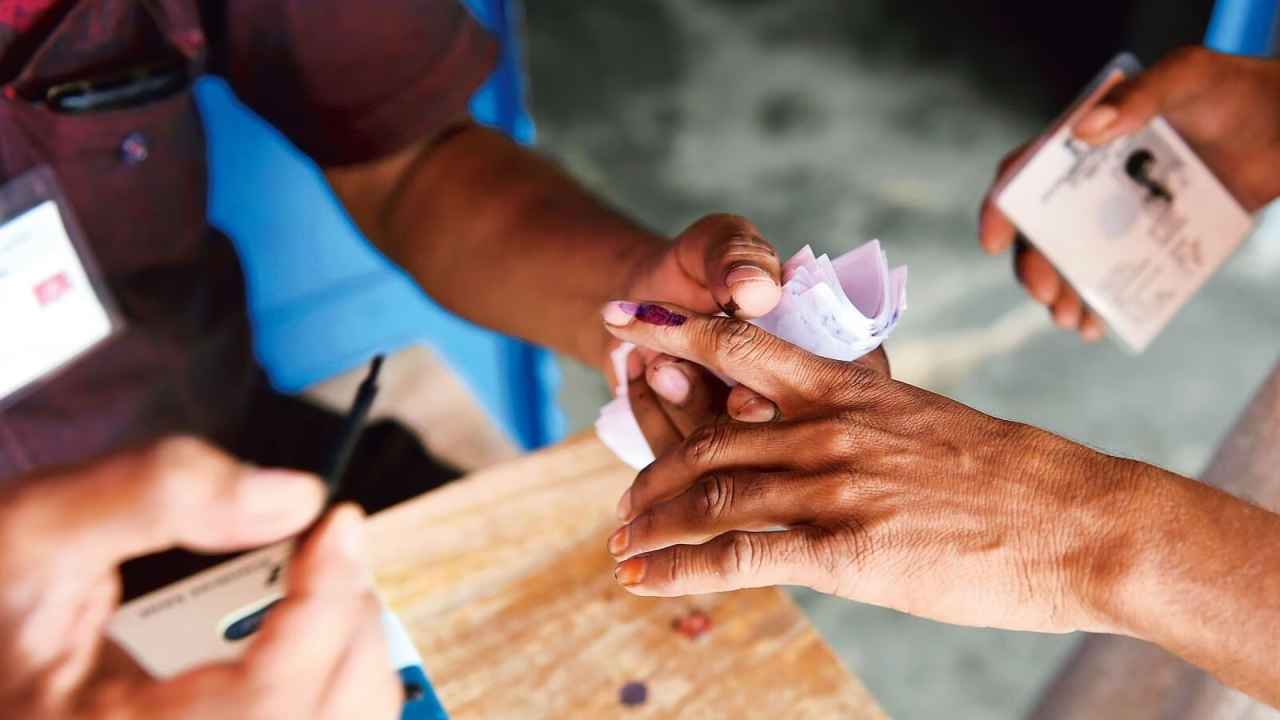
The first phase of the assembly elections in Chhattisgarh and to the Mizoram Legislative Assembly took place on Tuesday. As per the Election Commission of India, Chhattisgarh has registered a voter turnout of 71.11%, while Mizoram recorded 77.61% till 6 p.m. All 40 assembly seats went for elections in Mizoram, while in Chhattisgarh, 20 of the 90 constituencies voted in the first phase. The rest of Chhattisgarh seats will vote on November 17.

Voting is also being held in the naxal affected Karigundam area in Sukma after a span of 23 years. According to reports the election process is being held under the security cover by CRPF 150 battalion and District force.
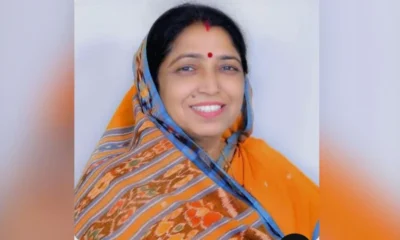
Meanwhile, Congress Candidate from Bastar, Lakheshwar Baghel said the voter turnout is likely to be over 80 percent this time. He said this included first time voters as well as existing ones. He added the people are very much aware this time. He appealed to the public of Mizoram to participate and vote in the election process. He said the people knew their rights as a result of which the voting percentage is very high.

Casting her vote for the first time Anisha told the media and shared her issue. She expected all her issues to be resolved. According to her many times candidates say they will resolve the issues but they disappear after making promises to the people. The second phase of voting for 70 constituencies will take place on November 17 and the results will be declared on December 3.

Chhattisgarh Chief minister Bhupesh Baghel said Naxalism has drastically decreased to a great extent because of the work the Congress government has carried out in the last five years. He said election booths have been set up inside villages. The Congress leader said there is a possibility of high voting percentage in naxal affected areas. Around 3000 policemen and 5400 armed personnel have been stationed across polling booths in Mizoram      

India News

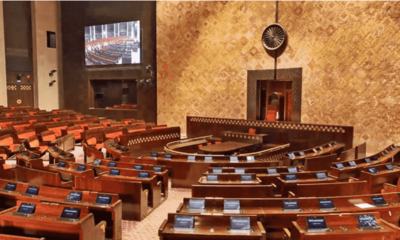
Rajya Sabha elections Voting begins for 37 seats across 10 states

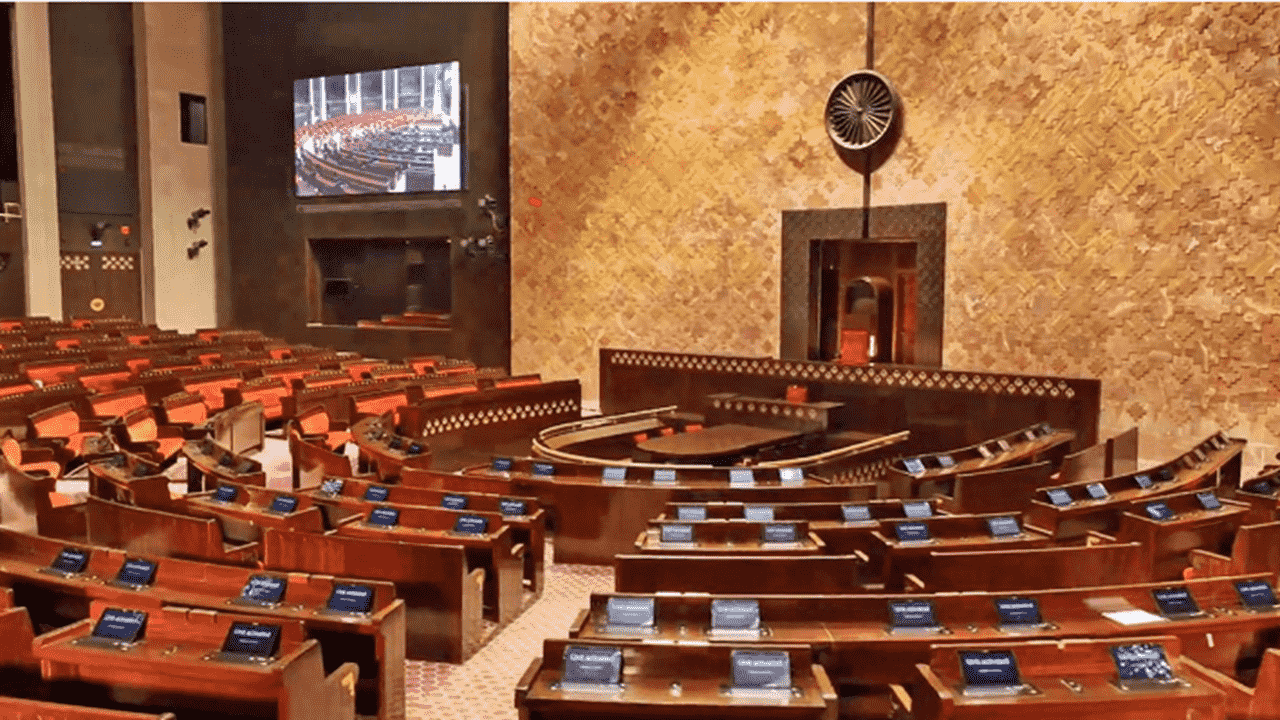
Voting for the biennial Rajya Sabha elections is underway for 37 seats across 10 states, with polling from 9 am to 4 pm and counting scheduled at 5 pm.

Published

on

Polling for the biennial Rajya Sabha elections is being held on Monday for 37 seats across 10 states, with voting taking place between 9:00 am and 4:00 pm, according to the Election Commission of India.

The counting of votes is scheduled to begin at 5:00 pm, after polling concludes. Authorities have issued detailed guidelines and deployed observers to ensure that the voting process takes place smoothly and in a transparent manner.

Seats across 10 states going to polls

The elections are being conducted to fill vacancies in the Upper House from several states. The 37 seats up for election are distributed across the following states:

  • Maharashtra – 7 seats
  • Tamil Nadu – 6 seats
  • Bihar – 5 seats
  • West Bengal – 5 seats
  • Odisha – 4 seats
  • Assam – 3 seats
  • Telangana – 2 seats
  • Chhattisgarh – 2 seats
  • Haryana – 2 seats
  • Himachal Pradesh – 1 seat

These biennial elections are held as sitting members of the Rajya Sabha complete their six-year terms.

Key leaders completing their terms

Several prominent members of the Upper House are set to complete their terms in April, leading to the current round of elections.

Among them are Union Ministers Ramnath Thakur and Ramdas Athawale, along with Rajya Sabha Deputy Chairman Harivansh Narayan Singh.

Other leaders whose terms are ending include Sharad Pawar, Upendra Kushwaha, Abhishek Manu Singhvi, M Thambidurai, and Tiruchi Siva.

Election Commission guidelines for voting

The Election Commission has issued specific instructions for voting during the Rajya Sabha elections.

MLAs participating in the election must use only the integrated violet sketch pen supplied by the Returning Officer to mark their preferences on ballot papers. The use of any other pen is not permitted.

Observers appointed by the Commission will monitor the polling process closely to ensure that the elections are conducted freely and fairly across all participating states.

With polling underway and counting scheduled later in the evening, results are expected to clarify the new composition of the Upper House.

Continue Reading

India News

Election Commission announces assembly poll schedule for West Bengal, Tamil Nadu, Kerala, Assam and Puducherry

The Election Commission has announced assembly elections in West Bengal, Tamil Nadu, Kerala, Assam and Puducherry, triggering the model code of conduct and setting the stage for key political contests.
Published

on

Election commission 12345

The Election Commission of India has announced the schedule for assembly elections in four states and the Union Territory of Puducherry, triggering the immediate enforcement of the model code of conduct across the poll-bound regions.

The elections will take place in West Bengal, Tamil Nadu, Kerala, Assam and Puducherry. With the announcement, political parties are now barred from making new policy announcements aimed at influencing voters, while the election watchdog assumes control over key aspects of the state administrative machinery.

Likely multi-phase voting in Bengal

According to sources within the Commission, voting in most states is expected to be conducted in a single phase. However, West Bengal may see polling spread across three to four phases because of its history of election-related violence.

During the 2021 assembly elections, the state went to the polls in eight phases. In contrast, Assam held voting in three phases, while Tamil Nadu, Kerala and Puducherry voted in a single phase.

From a security standpoint, West Bengal is considered particularly sensitive. Around 480 battalions of central security forces have reportedly been deployed there. The Commission has also indicated that decisions regarding the deployment of central forces will now be taken by police observers appointed by the poll body in consultation with district officials. Earlier, such decisions were handled by district police chiefs.

Key political battles in major states

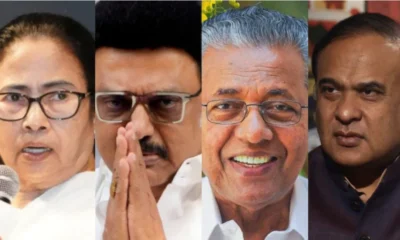
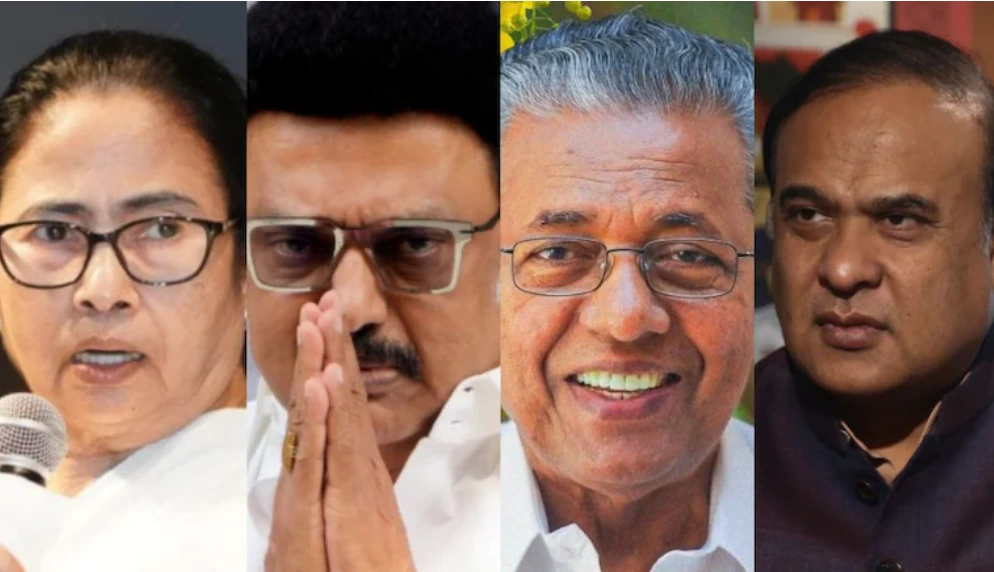
In West Bengal, Chief Minister Mamata Banerjee and her party are seeking a fourth consecutive term, while the opposition led by the Bharatiya Janata Party hopes to improve its electoral performance and challenge the ruling party.

The elections in the state are also taking place after the controversial Special Intensive Revision exercise, which became a major political issue and even reached the Supreme Court of India.

In Tamil Nadu, Chief Minister M. K. Stalin is aiming for a second term in power. The opposition alliance includes the All India Anna Dravida Munnetra Kazhagam and the BJP. Another factor drawing attention in the state’s political landscape is actor-politician Vijay, who has entered the political arena with his party TVK.

Political contests in Kerala and Assam

In Kerala, the contest is expected to centre on the traditional battle between the Left and the Congress-led alliance. Chief Minister Pinarayi Vijayan is seeking a third term after securing two consecutive mandates, a rare occurrence in a state known for alternating governments.

Meanwhile, in Assam, Chief Minister Himanta Biswa Sarma is looking to retain power for a second term. The Congress-led opposition, under state leader Gaurav Gogoi, is hoping to mount a stronger challenge despite recent exits of several party leaders.

Contest in Puducherry

In Puducherry, Chief Minister N. Rangasamy and his party, the All India NR Congress, are aiming for a third term. The opposition, led by the Dravida Munnetra Kazhagam, is campaigning on promises of change.

With the model code of conduct now in force, all eyes will be on the upcoming campaign season as parties prepare for crucial contests across the five regions.

Continue Reading

India News

Centre revokes detention of climate activist Sonam Wangchuk after nearly six months

The central government has revoked the NSA detention of climate activist Sonam Wangchuk after nearly six months, saying the decision was taken after due consideration as Ladakh continues to witness political tensions.
Published

on

songm wangchuk

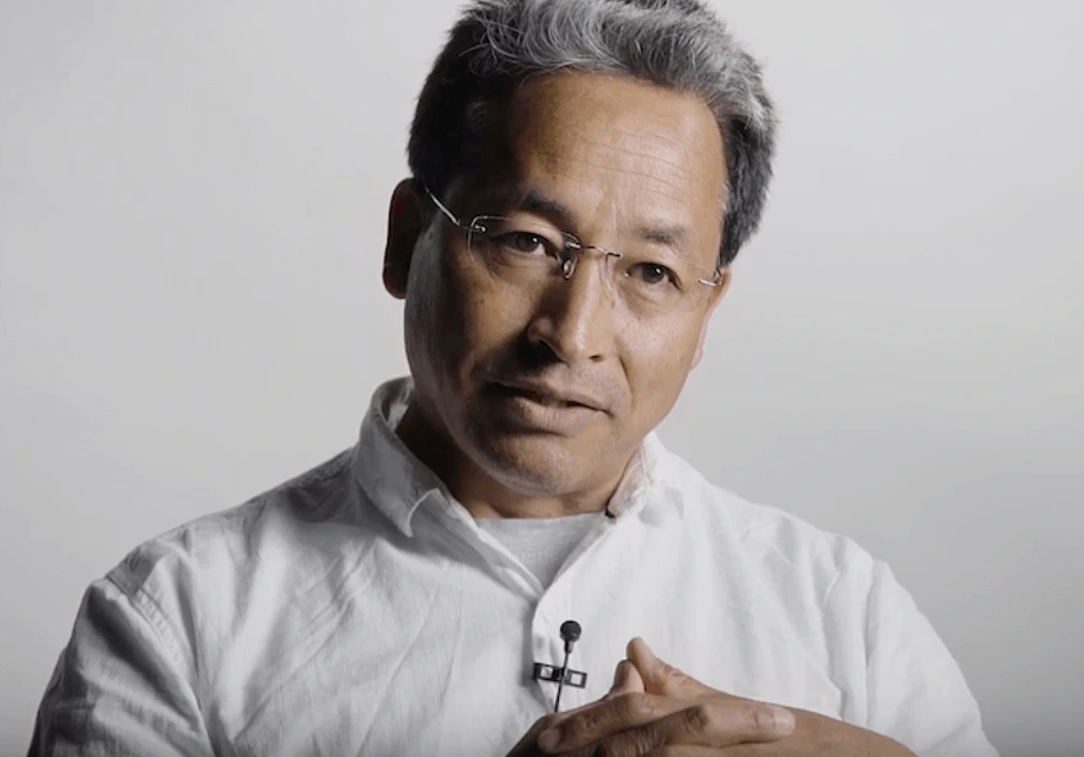
Climate activist Sonam Wangchuk, who had been detained for nearly six months under the National Security Act (NSA), will be released after the central government decided to revoke the detention order.

The Ministry of Home Affairs (MHA) said the decision was taken after due consideration, noting that Wangchuk had already completed nearly half of the permissible detention period under the law.

In a statement, the government said the move was part of its broader effort to maintain peace and encourage dialogue in Ladakh.

According to the ministry, the government remains committed to creating an atmosphere of stability and mutual trust in the region so that constructive engagement with all stakeholders can continue.

The statement added that ongoing protests and bandhs had affected normal life and disrupted several sections of society, including students, job seekers, businesses, tour operators and tourists.

The government also reiterated its commitment to providing safeguards for Ladakh and expressed hope that regional concerns would be resolved through discussions, including through the High-Powered Committee and other dialogue mechanisms.

Detained after protests in Leh

Wangchuk was detained on September 26 last year, two days after violent protests broke out in Leh over demands for statehood and constitutional protection for Ladakh.

The clashes reportedly left four people dead and about 50 others injured, including security personnel.

Authorities detained Wangchuk under the NSA on the orders of the Leh district magistrate to maintain public order. He was later transferred to Jodhpur prison.

Long-running agitation over Ladakh safeguards

The activist has been one of the prominent voices in the movement seeking constitutional safeguards for Ladakh, particularly the inclusion of the Union Territory under the Sixth Schedule of the Constitution.

Since 2023, Wangchuk has led campaigns highlighting the impact of climate change on Ladakh’s fragile ecosystem.

Last year, he undertook a 35-day fast demanding statehood and constitutional protections for the region. The protest eventually escalated into unrest, after which he called off the fast, saying his message of pursuing a peaceful path had not succeeded.

Legal challenge and court remarks

Wangchuk’s detention was challenged in the Supreme Court by his wife Gitanjali Angmo, an educator.

During the hearing, the court raised concerns about the translation of a speech cited as evidence for his detention. Judges observed that if a three-minute speech was transcribed into a seven- or eight-minute text, it could suggest possible malice.

Opposition reaction

Congress MP Shashi Tharoor welcomed the government’s decision to revoke the detention but questioned the length of time Wangchuk spent in custody.

In a post on social media platform X, Tharoor said the 169-day detention appeared excessively long and called on the Supreme Court to establish strict norms for the maximum period of detention without trial.

He also argued that indefinite detention without trial was a practice inherited from the colonial era and should not exist in a mature democracy.

Continue Reading

Trending

© Copyright 2022 APNLIVE.com