Latest Politics News
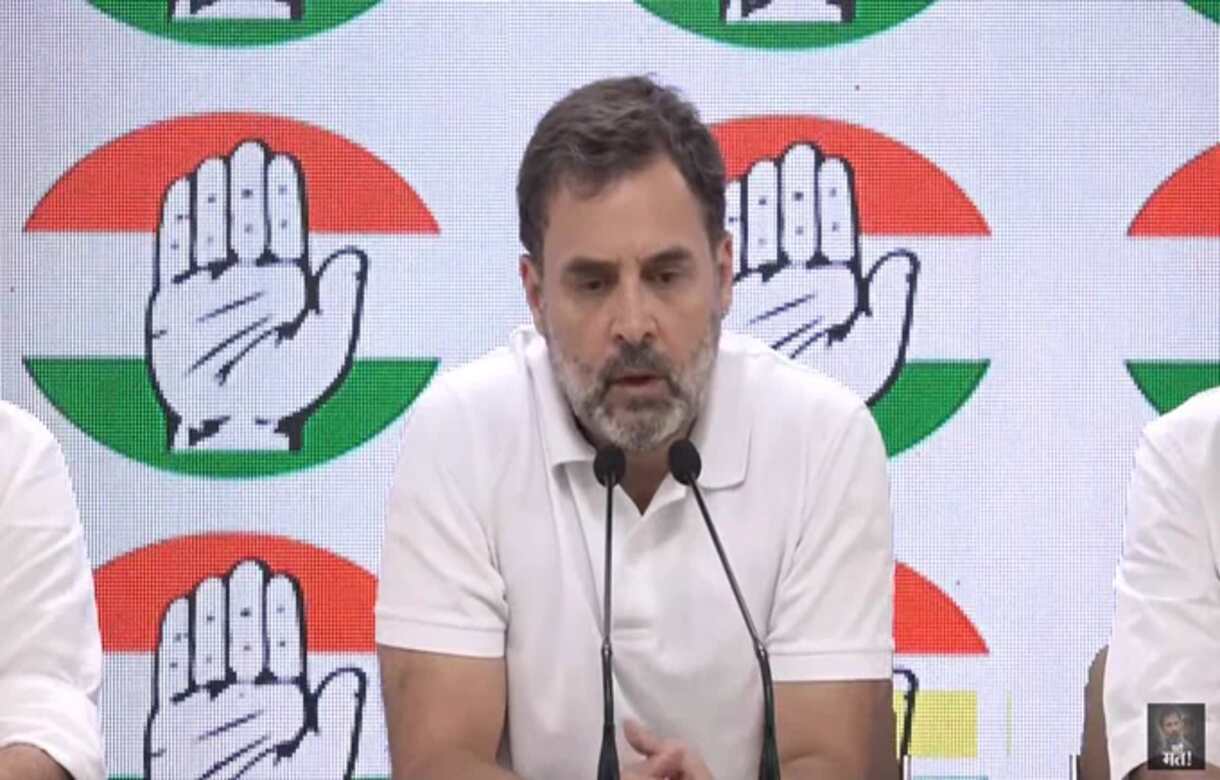
Women’s Reservation Bill a good thing, but two footnotes of census, delimitation were attached, says Rahul Gandhi
Rahul Gandhi further slammed the government for delaying women’s reservation, adding that it is a distraction from demand for conducting caste census.






India News
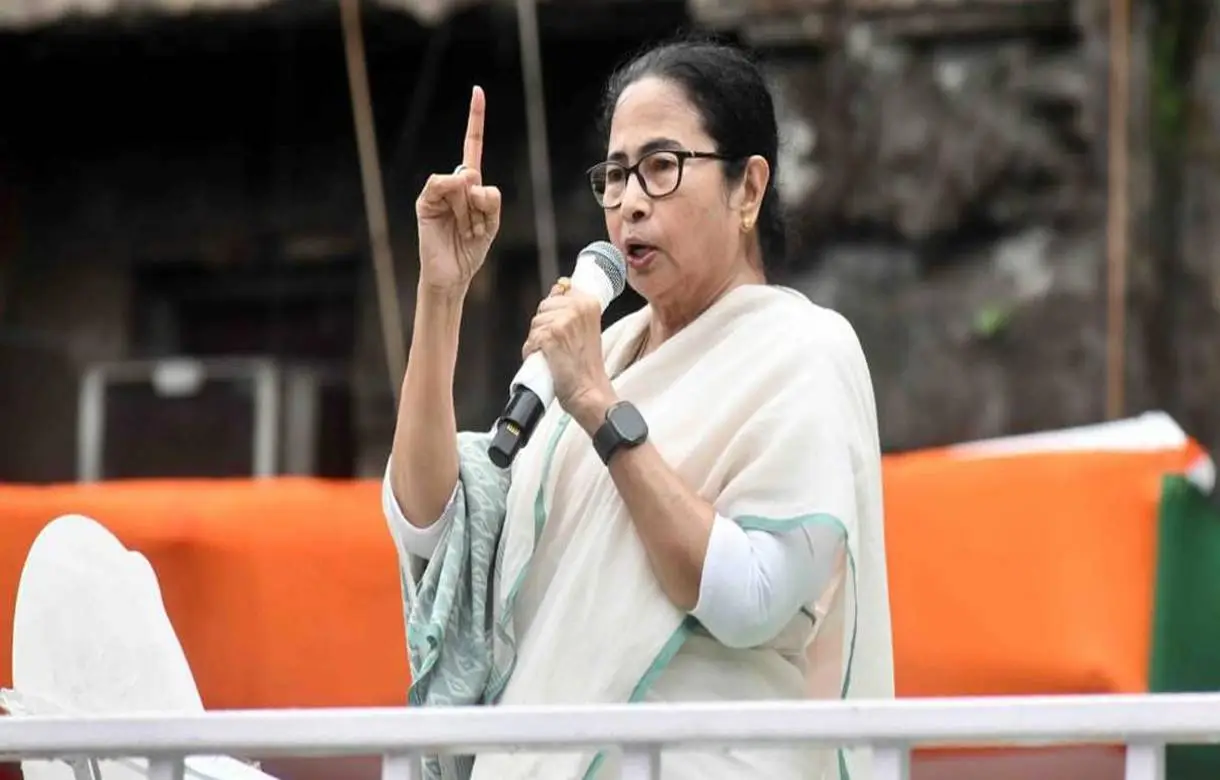
President Murmu questions tribal development in Bengal, Mamata Banerjee calls remarks political
President Droupadi Murmu raised concerns about tribal development in West Bengal and questioned the absence of state representatives during her north Bengal visit. Mamata Banerjee called the remarks political and said they were based on misinformation.

India News
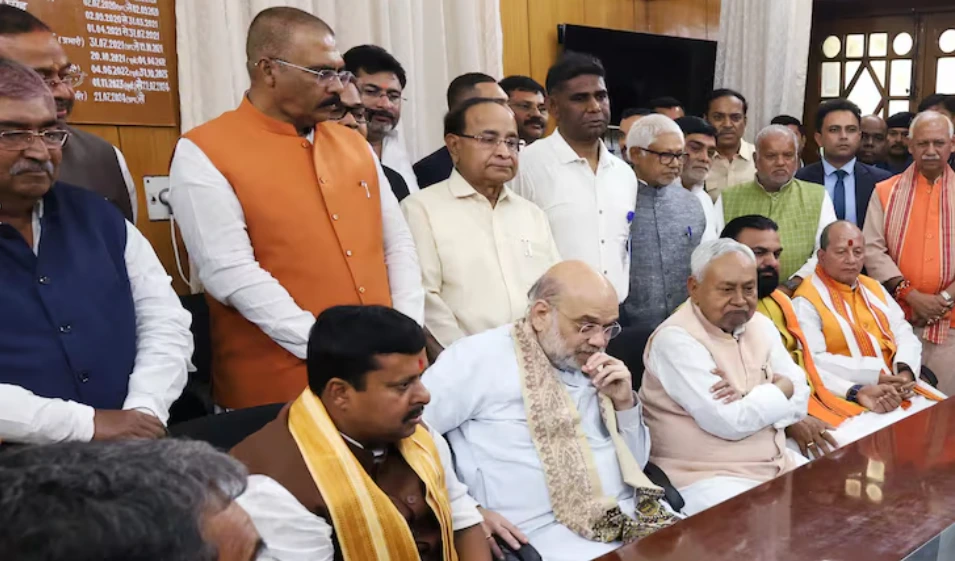
BJP likely to get chief minister in Bihar as Nitish Kumar plans Rajya Sabha move
Bihar may see a BJP chief minister for the first time as Nitish Kumar prepares to contest the Rajya Sabha elections. JD(U) is likely to receive 15 cabinet positions in the new government.
India News
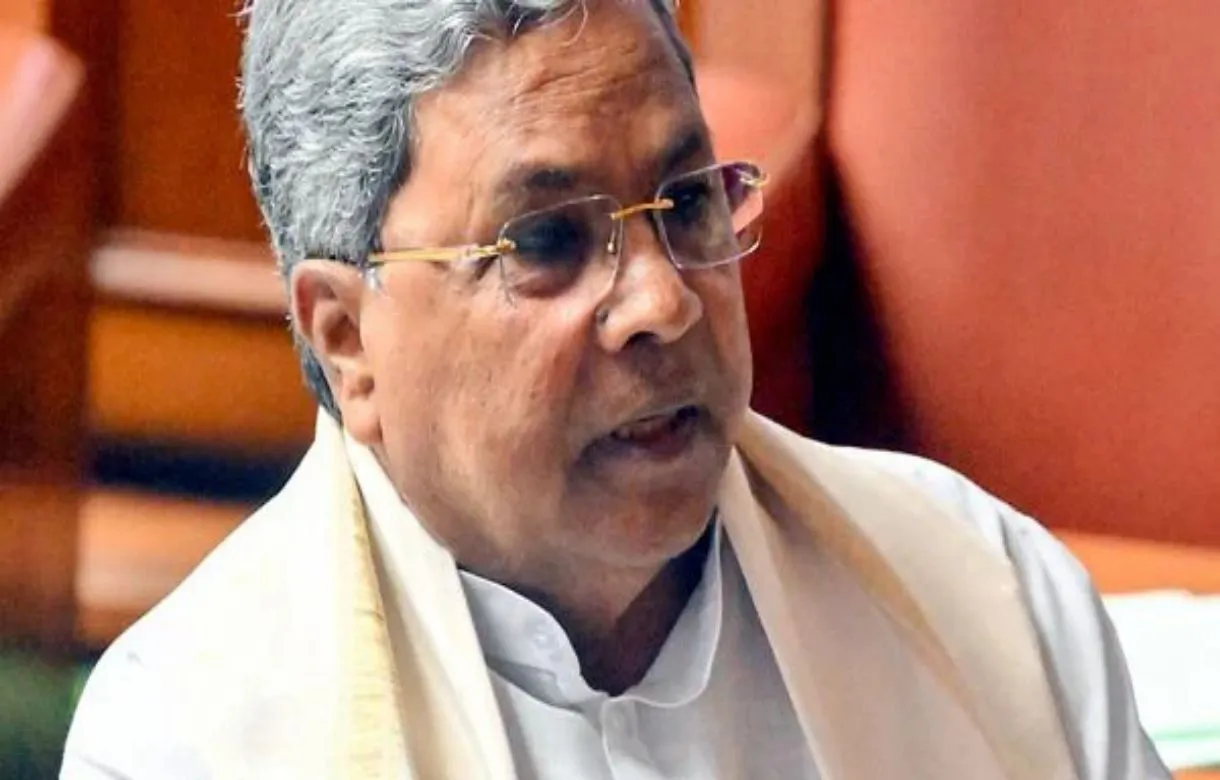
Siddaramaiah presents record 17th Karnataka budget with Rs 4.48 lakh crore spending plan
Karnataka CM Siddaramaiah presented his record 17th budget, outlining a Rs4.48 lakh crore spending plan for 2026–27 with focus on infrastructure, welfare and technology.

Mamata Banerjee questions PM Modi’s respect for President Murmu using 2024 photograph

PM Modi praises Team India after historic T20 World Cup triumph

India’s T20 World Cup triumph validates Gautam Gambhir’s approach, coach dedicates win to Dravid and Laxman

Mojtaba Khamenei named Iran’s new supreme leader after death of Ali Khamenei

India win record third T20 World Cup after thrashing New Zealand in 2026 final

Afghan Men Try To Hang With The Jet Engine Of The Aircraft in Kabul- Afghanistan News – Kabul News
Trending Top 10 News: 10000 Crore Fine on Flipkart, Apple to Launch Unique Feature, Hdfc Bank Job Ad

Trending Top 10 News: Nokia 6310, Apple sales, Bachpan ka Pyar Video Kid, Dainik Bhaskar IT Raid

Trending Top 10 News: Canada bans Indian flights, Rain in Delhi NCR, AIMIM Twitter hacked, Raj Kundra case