English हिन्दी
Connect with us

Top Stories

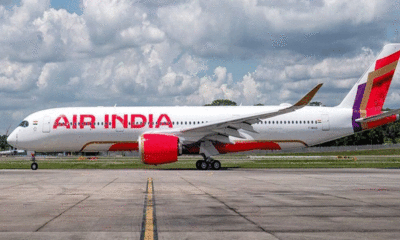
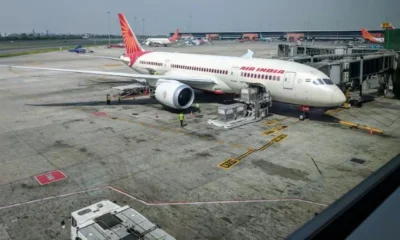
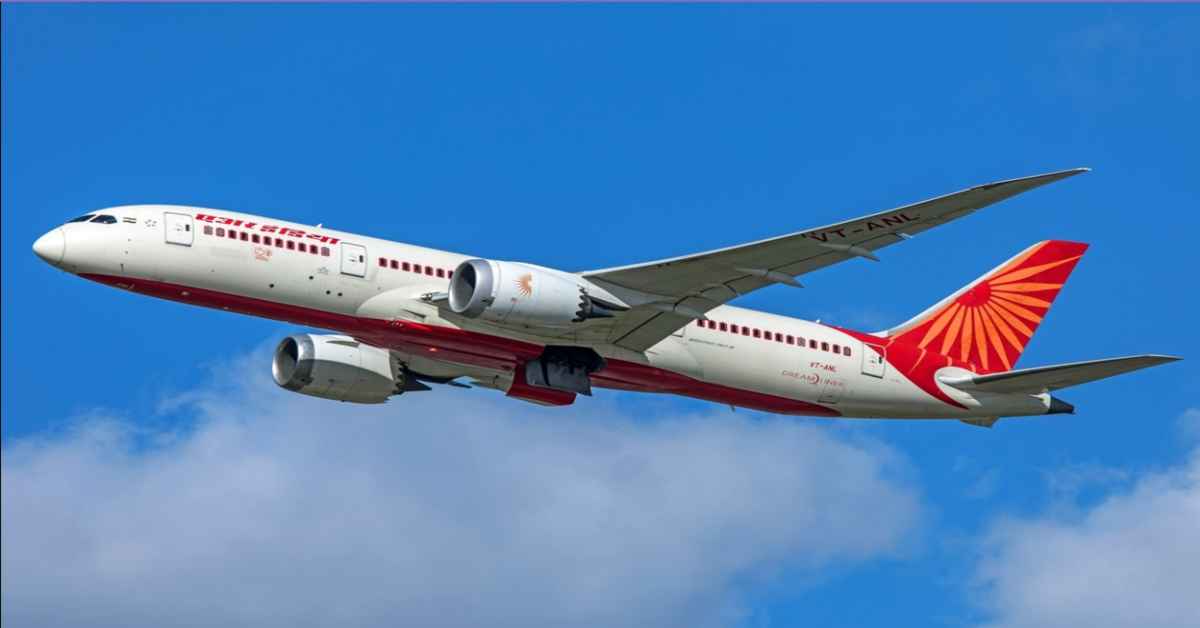
Drunk man pees mid-air on woman’s blanket flyer on Paris-Delhi Air India flight

Another mid-air peeing incident has been reported on a Paris-Delhi Air India flight on December 6, where a man in a completely drunk state lost control of himself and urinated on a lady flyer’s blanket onboard.

Published

on

Air India Flight

Another mid-air peeing incident has been reported on a Paris-Delhi Air India flight on December 6, where a man in a completely drunk state lost control of himself and urinated on a lady flyer’s blanket onboard. This is the second incident in a row that comes into the limelight after a drunk male passenger committed the same offense in the leading carriers in the country.

Amid this, Air India did not react or released any official statement about the same as of now.

The report says that when the lady complained about the same to the flight staff, they escalated the matter to the Air Traffic Control (ATC) at the Indira Gandhi International (IGI) Airport, after which, the accused passenger who was identified as Shekhar Mishra was apprehended when the flight landed at the Delhi international airport.

Read Also: Delhi: Man masturbates next to a girl in DTC bus, handed over to police, let off

When the police asked the lady passenger if she wants to lodge a complaint regarding the matter, she refused, due to which the police let him go after clearing immigration and customs formalities.

Meanwhile, a similar incident occurred on an Air India flight between New York and Delhi on November 26 when a man peed on a 70-year-old woman. The report says that the police filed an FIR in connection with the event and organised numerous teams to find the suspect.

In order to arrest him, a special police team recovered his residence details from his passport and visited his residence in Mumbai’s Meera Raod, where it was found that the suspect never lived there. However, the house owner also claimed that he has even never given his house to a man who belongs to that name.

Later, police also tried to talk to neighbors in the area, and they also informed him that they did not see him in that area ever.

Elevate Your Business’s Payment Process with Synctric’s Advanced Technologies

Haldwani Encroachment Case: Supreme Court stays HC eviction order, says 50,000 people can’t be uprooted overnight

India News

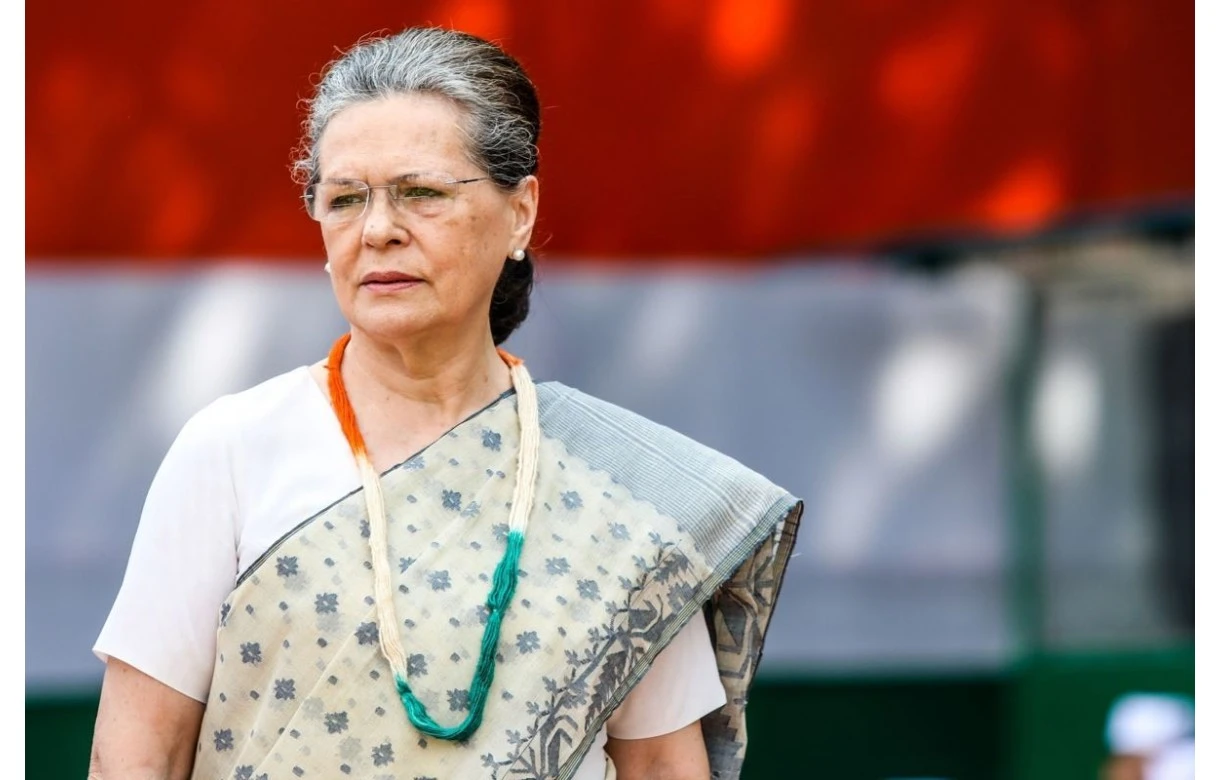
Sonia Gandhi questions Centre’s silence on Khamenei killing, cites Iran’s past support on Kashmir

Published

on

sonia

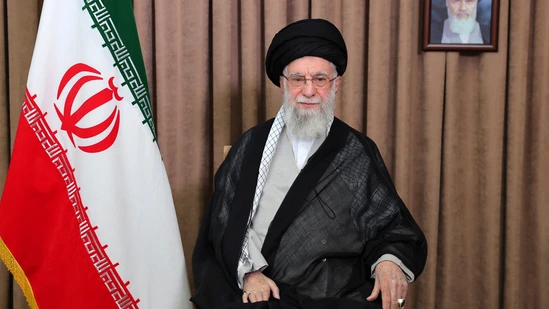
Senior Congress leader Sonia Gandhi has criticised the Centre for not issuing a direct statement on the reported killing of Iran’s Supreme Leader Ayatollah Ali Khamenei, saying that silence in such a situation amounts to an “abdication” rather than neutrality.

In a column published in media, Gandhi argued that India’s relationship with Tehran is rooted in both civilisational and strategic interests and said the government should have responded more clearly to the development.

Centre calls for restraint, avoids direct comment

While the government has not issued a specific statement on Khamenei’s death, it has urged restraint and de-escalation in the Middle East. Sources have indicated that India’s calibrated response is in line with that of major global powers and reflects a diplomatic approach guided by national interest.

Gandhi, however, questioned this position. Referring to Iran’s confirmation on March 1 that Khamenei was assassinated in targeted strikes allegedly carried out by the United States and Israel, she described the episode as a “grave rupture” in international relations, particularly as it occurred during ongoing negotiations.

She also criticised Prime Minister Narendra Modi for initially condemning Iran’s retaliatory strike on the UAE without addressing what she called the preceding US-Israeli actions. Later remarks expressing “deep concern” and advocating dialogue and diplomacy, she suggested, did not sufficiently acknowledge the broader context.

Questions over foreign policy direction

According to Gandhi, failing to clearly defend sovereignty and international law in the face of such an incident could weaken India’s credibility on the global stage. She argued that if the targeted killing of a foreign leader during a diplomatic process passes without principled objection, it risks normalising the erosion of international norms.

She further noted that the timing of the episode — shortly after the Prime Minister’s visit to Israel, where he reiterated support for the government led by Benjamin Netanyahu — adds to the unease, especially amid ongoing global criticism over civilian casualties in Gaza.

Kashmir reference and strategic ties

Gandhi also invoked a past diplomatic episode related to Kashmir. She recalled that in 1994, when sections within the Organisation of Islamic Cooperation sought to advance a resolution against India at the UN Commission on Human Rights over Kashmir, Iran played a significant role in blocking the move. According to her, that intervention helped prevent the internationalisation of the issue at a sensitive time for India.

She further pointed to Iran’s role in facilitating India’s diplomatic presence in Zahedan, near the Pakistan border, describing it as strategically relevant in the context of the development of Gwadar port and the China-Pakistan Economic Corridor.

Gandhi also referred to former Prime Minister Atal Bihari Vajpayee’s 2001 visit to Tehran, during which he had reaffirmed India’s longstanding ties with Iran.

Balancing ties in West Asia

Acknowledging that India’s relations with Israel have expanded in recent years across defence, agriculture and technology, Gandhi said that New Delhi’s ability to maintain ties with both Tehran and Tel Aviv gives it diplomatic space to urge restraint. However, she added, such space depends on credibility and a perception of principled engagement.

Highlighting the presence of nearly 10 million Indians in the Gulf region, she argued that India’s ability to safeguard its citizens during past crises — including conflicts in Iraq, Syria and Yemen — has depended on being viewed as an independent actor.

For a country that aspires to represent the Global South, Gandhi said, perceptions matter. Invoking the principle of “vasudhaiva kutumbakam”, she maintained that India’s civilisational ethos calls for justice, restraint and dialogue, especially at a time when the rules-based international order is under strain.

Continue Reading

India News

Srinagar city centre sealed after protests over Khamenei death turn violent

Published

on

Ayatollah Ali Khamenei

Tension gripped Srinagar on Monday after clashes broke out between protesters and security forces over the killing of Iranian Supreme Leader Ali Khamenei.

Police stopped a crowd attempting to march towards Lal Chowk, the city’s main commercial hub. This led to intense stone-pelting, prompting security forces to use tear gas and batons to disperse the protesters.

Clashes at multiple locations

Authorities did not permit any major protest in the Valley, but smaller groups gathered at different points across Srinagar. Clashes were reported at four separate locations in the city.

At Shalteng on the Srinagar-Baramulla highway, demonstrators hurled stones at security personnel and attempted to block traffic. Some private vehicles were damaged during the unrest. Protesters raised slogans in support of Khamenei while expressing anger over his killing.

After several hours of confrontation, police cleared the area and restored traffic movement.

Restrictions imposed across Kashmir

A day earlier, thousands had assembled at Lal Chowk in protest, though Sunday’s demonstrations remained peaceful. By evening, authorities began implementing preventive measures to stop further escalation.

On Monday, Lal Chowk was sealed with metal barricades and concertina wires at all entry and exit points. Mobile internet services were restricted, and schools and colleges across Kashmir were ordered shut for two days.

Large crowds had also gathered outside the headquarters of the United Nations Military Observer Group in India and Pakistan in Srinagar, raising slogans against the United States, Israel and their allies.

Officials said this was the first instance in several years that Srinagar witnessed such clashes and stone-pelting incidents.

Khamenei, regarded as a central religious authority among Shia Muslims, drew strong reactions in parts of the Valley and Ladakh following news of his killing.

Continue Reading

India News

India stands for peace amid West Asia crisis, says PM Narendra Modi

Published

on

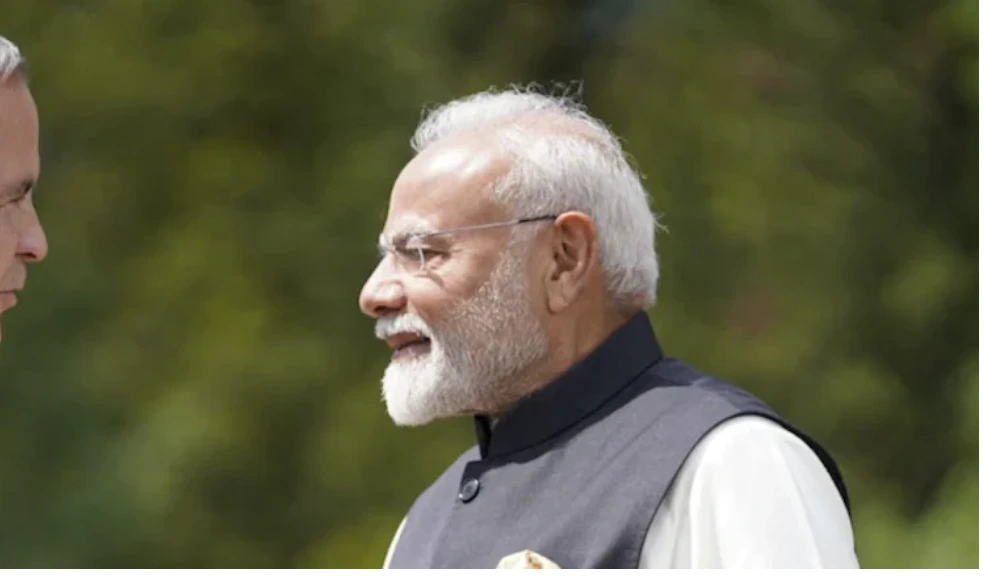
Prime Minister Narendra Modi on Monday described the situation in West Asia as “worrying” and reiterated that India supports peace and stability in the region.

Addressing a joint press briefing with Canadian Prime Minister Mark Carney, Mr Modi said India has consistently advocated dialogue and diplomacy as the only viable path to resolving conflicts.

“India stands for peace and stability,” the Prime Minister said, underlining New Delhi’s long-standing position that disputes must be settled through talks.

Government monitoring developments closely

Mr Modi assured that the government is closely tracking the fast-changing situation and is in touch with countries in the region to ensure the safety of Indian citizens.

“We are working closely with every country to ensure the safety of all Indian nationals in the region,” he said.

His remarks came a day after he chaired a meeting of the Cabinet Committee on Security (CCS), the country’s highest decision-making body on security and strategic affairs, to review the evolving crisis in West Asia.

Following the meeting, Mr Modi also held a telephonic conversation with Israeli Prime Minister Benjamin Netanyahu amid escalating tensions in the Middle East.

Background of rising tensions

According to government sources, Iran’s Supreme Leader Ali Khamenei had a strained record with India. Between 2017 and 2024, he allegedly intervened four times in matters described as internal affairs, prompting India’s Ministry of External Affairs to summon Iranian envoys on each occasion.

The current escalation follows large-scale attacks launched by the United States and Israel on Iran on Saturday. Officials said the strikes killed Ali Khamenei, targeted more than 1,000 locations, and damaged Iranian warships.

Iran responded with drone and missile attacks on military bases in Kuwait and Bahrain, and by targeting three US and UK oil tankers in the Gulf and the Strait of Hormuz.

Continue Reading

Trending

© Copyright 2022 APNLIVE.com