English हिन्दी
Connect with us

Top Stories

Hike in CNG, PNG prices after surge in petrol, diesel and LPG rates: Check how much you have to pay in your city now

Following the rise in the pricing of petrol, diesel, and LPG, the prices of CNG and PNG gas have also risen. Check the latest rates here.

Published

on

CNG Price hike

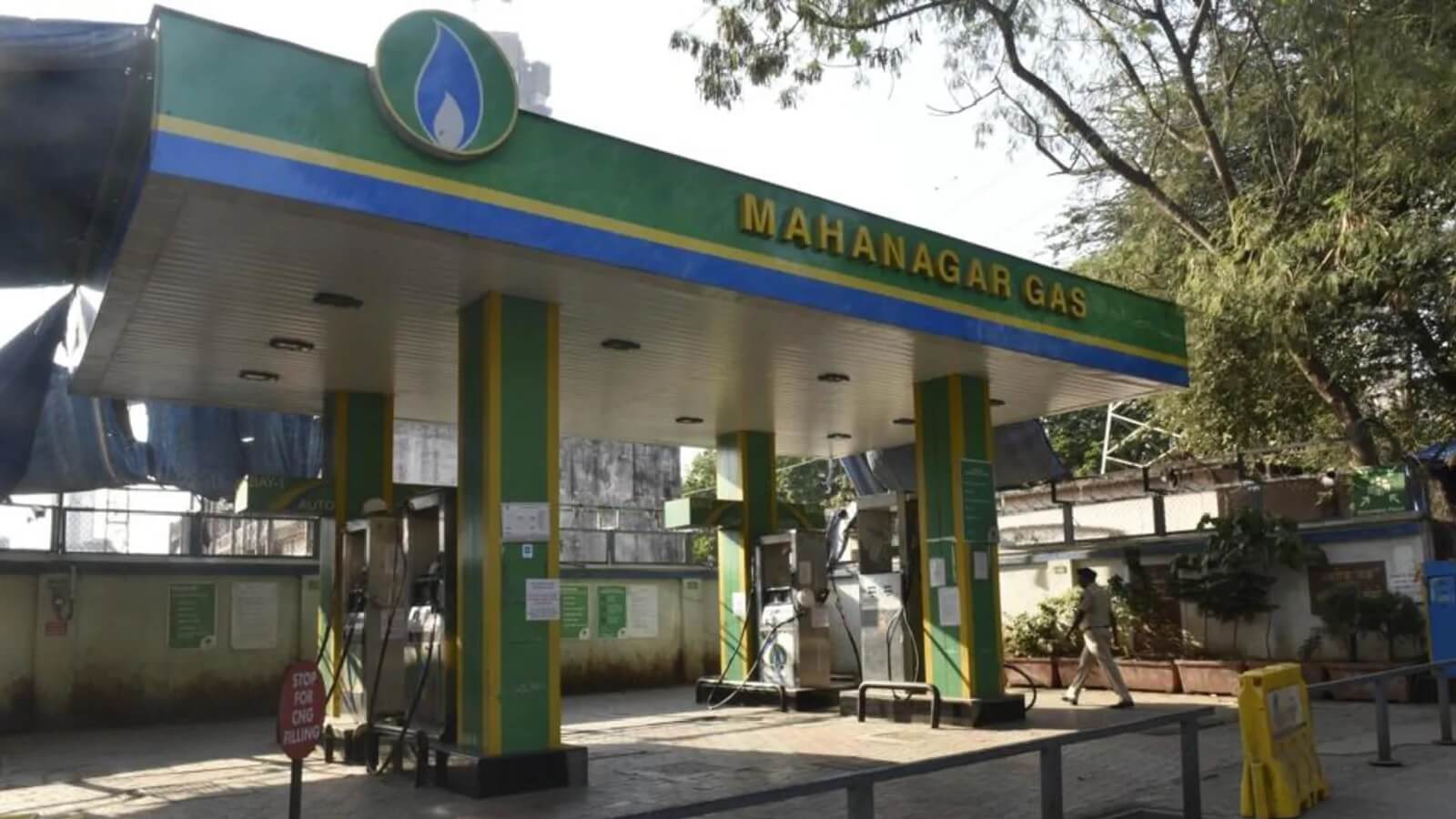
Inflation continues to affect the common man, and it doesn’t appear to be going away anytime soon. Following the rise in the pricing of petrol, diesel, and LPG, the prices of CNG and PNG gas have also risen.

Indraprastha Gas Limited today announced the surge in the prices. IGL has reported that the price of CNG has been increased by Re 1 per SCM, while on the other hand the price of PNG has been increased by 50 paise. This increase has been done due to the rising price of gas. The new price will come into effect from today, March 24.

CNG in Delhi will now be available at Rs 59.01 per kg and in Noida, Greater Noida and Ghaziabad it will cost Rs 61.58 per kg whereas PNG in Delhi will now cost Rs 36.61 per SCM and in Noida, Greater Noida and Ghaziabad it will now be available at Rs 35.86 per SCM.

Read Also: Kashmiri man denied room in Delhi Hotel because of J&K ID, staff says order given from Police, Delhi Police reacts | WATCH

Check the latest price of CNG and PNG here

Notably, as a result of the Russia-Ukraine crisis, oil and other fuel prices have been steadily rising. The prices of petrol and diesel were also increased across the country for two consecutive days on Tuesday and Wednesday. Petrol and diesel prices were increased by 80 paise in Delhi and 85 paise in Mumbai on Wednesday.

Earlier, Oil Marketing Companies (OMCs) had increased the prices of domestic LPG cylinders. The prices of domestic LPG cylinders have been increased by more than Rs 50 in Delhi, Mumbai, and other cities from Tuesday.

Notably, this is the last month of the financial year and apart from fuel, several other things have got expensive. From maggi to the increase in coffee, CNG, LPG prices, here’s a list of things that got high-priced this month.

Petrol price jokes: Tweeple dig up old tweets crying of petrol price when it was Rs 75. Now it is almost Rs 100, and silence

Nitin Gadkari’s good news bonanza for motorists

Latest world news

Sheikh Hasina calls Yunus a murderous fascist in address to Delhi gathering

In her first public address from exile, Sheikh Hasina accused Muhammad Yunus of leading an illegal and violent administration and called for unity to restore democracy in Bangladesh.

Published

on

Sheikh Hasina

Former Bangladesh prime minister Sheikh Hasina on Friday launched a scathing attack on Nobel laureate Muhammad Yunus, accusing him of heading an “illegal and violent” administration that has pushed Bangladesh into what she described as a period of terror, lawlessness and democratic collapse.

Hasina delivered the address through an audio message to a packed audience at the Foreign Correspondents’ Club in Delhi, marking her first public address in India since leaving Bangladesh in 2024. The event, titled Save Democracy in Bangladesh, was attended by several former ministers from her Awami League government and members of the Bangladeshi diaspora.

Although she did not appear in person, Hasina’s speech was uncompromising in tone, repeatedly branding Yunus a “murderous fascist” and accusing him of betraying the nation for personal power.

‘Democracy is now in exile,’ says Hasina

Opening her address, Hasina said Bangladesh was standing “at the edge of an abyss” and claimed that democracy had effectively been forced into exile since her removal from office on August 5, 2024. She alleged that her ouster was the result of a “meticulously engineered conspiracy” aimed at dismantling the country’s constitutional order.

According to Hasina, the situation in Bangladesh has deteriorated sharply since then, with the collapse of law and order, unchecked mob violence and widespread fear among citizens.

“Life and property have no security,” she said, alleging that violence, looting and extortion have spread from urban centres to rural areas.

She further accused the current dispensation of suppressing press freedom, targeting political opponents and allowing violence against women and minorities to continue without restraint.

Sharp personal attack on Muhammad Yunus

The former prime minister reserved her strongest criticism for Yunus, accusing him of bleeding the country dry and compromising national sovereignty by allegedly serving foreign interests.

Hasina warned that Bangladesh was being pushed towards instability and conflict, claiming that the current leadership was engaged in a “treacherous plot” that threatened the nation’s territorial and constitutional integrity.

Invoking the legacy of the Liberation War and her father, Sheikh Mujibur Rahman, she framed the political crisis as an existential struggle for Bangladesh’s identity and independence.

Call for unity and five-point political demand

Positioning the Awami League as the principal defender of Bangladesh’s democratic and pluralist traditions, Hasina urged supporters of the pro-Liberation camp to unite and resist what she termed a puppet regime.

She laid out five key demands, beginning with the removal of the Yunus-led administration to restore democracy and pave the way for free and fair elections. She claimed credible elections would be impossible under the current setup.

Her other demands included the restoration of law and order, guarantees for the safety of minorities and women, an end to politically motivated legal actions against journalists and opposition figures, and the revival of judicial independence.

Hasina also called for a fresh and impartial United Nations investigation into developments over the past year, saying only an objective inquiry could help the country reconcile and move forward.

Political messaging from Indian soil

The address carried symbolic significance, being Hasina’s first public speech in India since she arrived there following her ouster. Her remarks signalled her intent to continue influencing Bangladesh’s political narrative from abroad.

She concluded the address with a call for mass mobilisation, urging citizens not to lose hope and to join what she described as a fight to reclaim democracy and national dignity.

Context of recent interview

Earlier, in a detailed interview given from a secure location in Delhi, Hasina had accused the interim administration in Dhaka of steering Bangladesh towards authoritarianism and extremist influence. She also spoke about the events surrounding her removal from power and alleged targeted attacks on minorities following her exit.

Continue Reading

India News

PM Modi says Balasaheb Thackeray’s vision for Maharashtra continues to inspire generations

PM Modi on Friday said Balasaheb Thackeray’s vision for Maharashtra continues to inspire generations as he paid tribute to the Shiv Sena founder on his birth centenary.

Published

on

Bala Saheb Thakeray

Prime Minister Narendra Modi on Friday paid tribute to Shiv Sena founder Balasaheb Thackeray on his birth centenary, describing him as a towering personality who deeply shaped Maharashtra’s socio-political landscape. The Prime Minister said Thackeray’s vision for the state’s progress continues to inspire generations and that efforts will always be made to realise his ideals.

In a post on social media platform X, PM Modi said that Balasaheb Thackeray was a figure who left a profound imprint on Maharashtra through his sharp intellect, powerful oratory and unwavering ideological commitment. He noted that Thackeray shared a unique bond with the people and remained closely connected to social and cultural issues.

The Prime Minister highlighted that apart from politics, Thackeray had a keen interest in culture, literature and journalism. He said Thackeray’s work as a cartoonist reflected his sharp observation of society and fearless commentary on contemporary issues. PM Modi added that Thackeray’s vision for Maharashtra’s development continues to guide public life.

Balasaheb Thackeray was born on January 23, 1926, in Pune and passed away on November 17, 2012, in Mumbai. An Indian journalist, cartoonist and politician, he founded the Shiv Sena, which went on to become a dominant force in Maharashtra’s politics. Known for advocating a strong pro-Hindu ideology, Thackeray left a lasting impact on the state’s political and cultural identity.

He began his professional career in the early 1950s as a cartoonist in Mumbai, with his work also appearing in international publications, including Japan’s Asahi Shimbun and the Sunday edition of The New York Times. Over time, his political observations drew him increasingly towards active politics.

In the 1960s, Thackeray launched the Marathi-language weekly Marmik along with his brother. Through the publication, he criticised what he saw as the growing influence of outsiders in Maharashtra, arguing that local residents were being deprived of employment opportunities. This line of thought later formed the foundation of the Shiv Sena in 1966, built around the slogan “Maharashtra for Maharashtrians”.

Despite never holding a constitutional post or contesting elections, Thackeray was regarded as one of the most influential figures in Maharashtra for decades. Revered by supporters as Hindu Hridaysamrat, his authority was such that during the Shiv Sena-BJP government in 1995, Bombay was officially renamed Mumbai, after Goddess Mumbadevi.

Continue Reading

India News

Shashi Tharoor likely to skip key Congress meet amid unease with party leadership

Shashi Tharoor is expected to remain absent from a crucial Congress meeting in Kerala, with sources citing dissatisfaction over his treatment during Rahul Gandhi’s Kochi visit.

Published

on

Senior Congress MP Shashi Tharoor is likely to skip an important meeting of the party’s Kerala leadership scheduled for Friday afternoon, with sources indicating that the four-time Lok Sabha member is upset over a perceived lack of due respect during Rahul Gandhi’s recent visit to Kochi.

The meeting, set to be attended by senior leaders including Rahul Gandhi and Congress president Mallikarjun Kharge, is aimed at reviewing preparations for the Kerala Assembly election later this year. Tharoor, who represents Thiruvananthapuram, is expected to be absent.

Sources said the diplomat-turned-politician has been unhappy with the party’s handling of his role during the Kochi visit, adding to existing strain between him and the Congress’ central leadership.

Tharoor has in recent months found himself under scrutiny within the party following remarks that were seen as appreciative of Prime Minister Narendra Modi and the ruling Bharatiya Janata Party. These include comments on the Prime Minister’s response to the April 22 Pahalgam terror attack and subsequent military strikes on Pakistan, as well as occasional critical observations aired through media interactions.

The tension resurfaced on Thursday after Tharoor shared a selfie with former BJP MP and current India men’s cricket team head coach Gautam Gambhir. In his post, Tharoor praised Gambhir for handling what he described as “the second-hardest job in India,” after the Prime Minister’s role.

The post drew a sharp response from a BJP spokesperson, who linked Tharoor’s comments on cricket fans questioning coaching decisions to the opposition’s criticism of the Prime Minister. The BJP leader accused the opposition of prioritising family interests over national concerns and suggested that Tharoor’s remarks once again highlighted divisions within the Congress.

The episode underscores the continuing unease between Shashi Tharoor and the Congress leadership, a rift that political rivals have frequently highlighted in public discourse.

Continue Reading

Trending

© Copyright 2022 APNLIVE.com