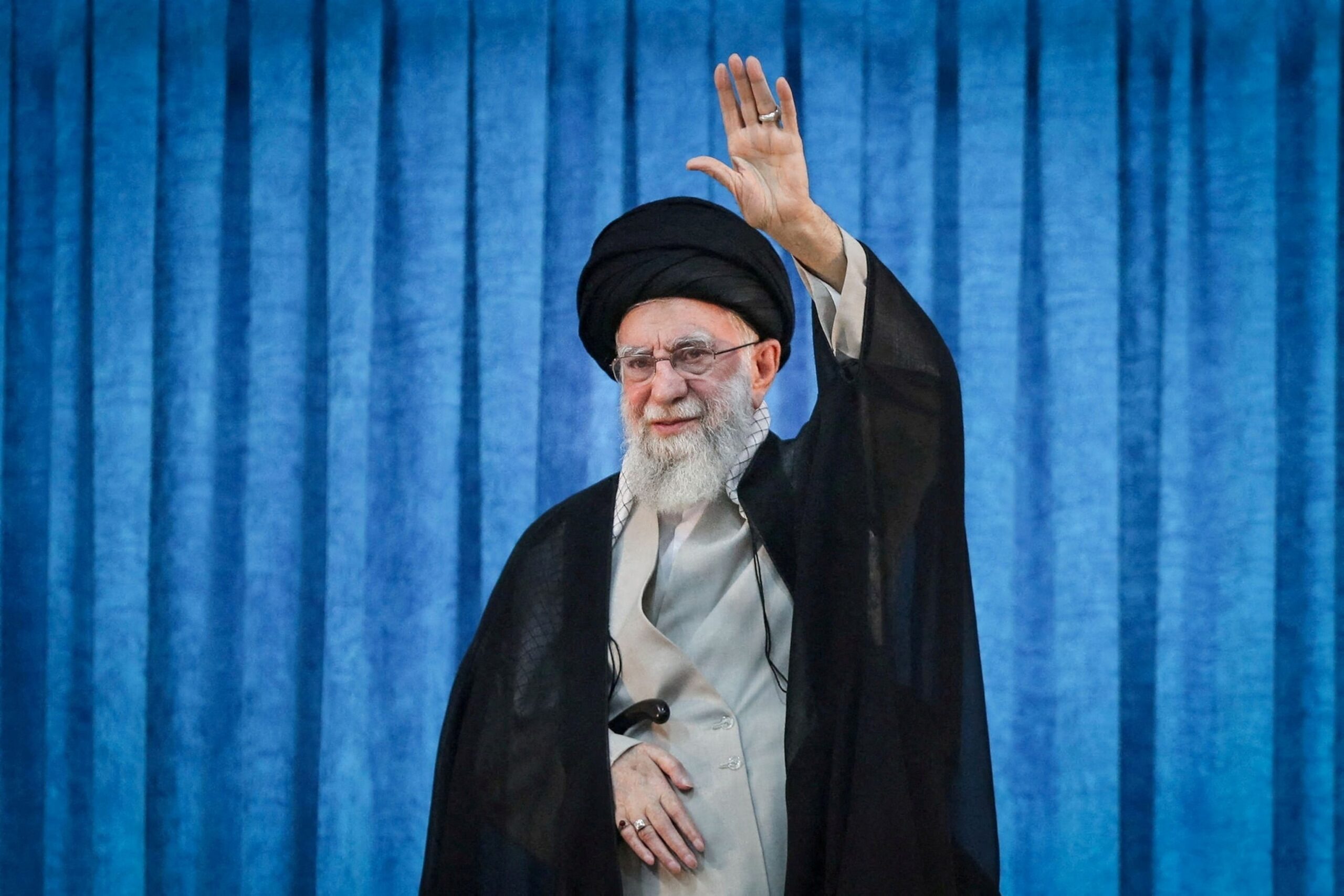
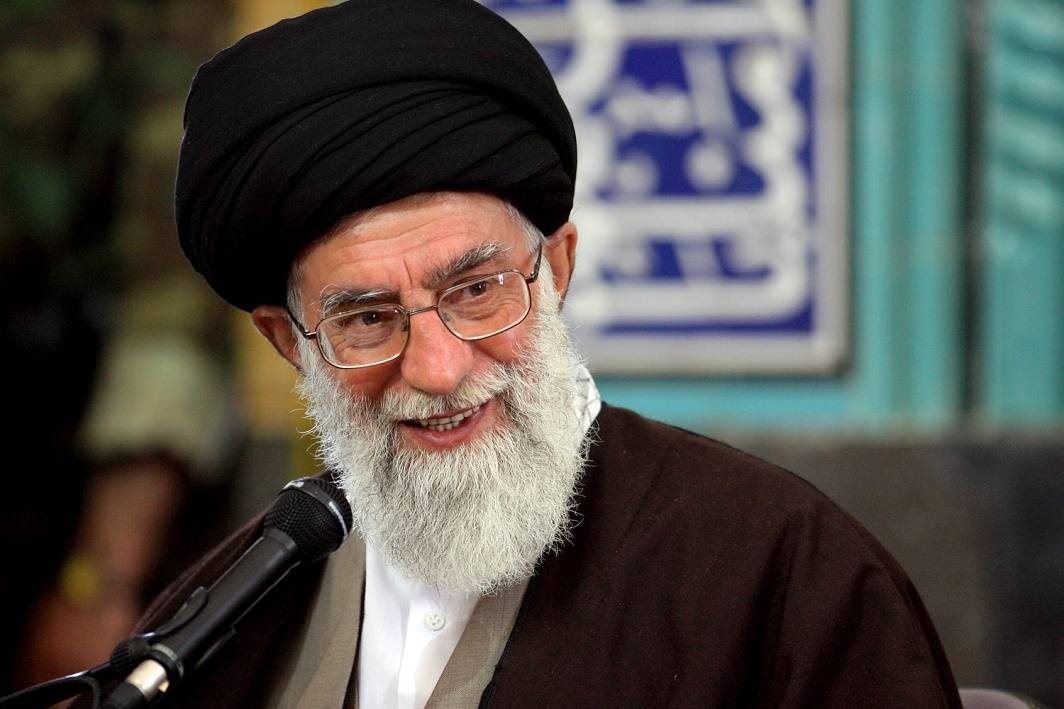
Iran’s Supreme Leader Ali Khamenei has been killed following joint military strikes carried out by the United States and Israel, according to confirmation from Iranian state media.
State broadcaster Islamic Republic of Iran Broadcasting (IRIB) reported on Sunday morning that the 86-year-old leader had “reached martyrdom”. Media reports said he was killed in his office during the early hours of Saturday when Israeli and US forces launched what has been described as one of the most extensive attacks on Iranian targets in decades.
Iranian state television said his death at his office demonstrated that he “stood among the people and at the forefront of his responsibilities,” confronting what officials described as “global arrogance”.
Reports of strike on Khamenei’s compound
Earlier, media reports quoting Israeli officials stated that Khamenei had been killed in an Israeli strike on his compound in Tehran on Saturday morning. A senior Israeli official reportedly said his body had been recovered from the site.
Israel’s Channel 12 reported that Prime Minister Benjamin Netanyahu had been shown an image of Khamenei’s body after it was retrieved from the compound.
The assassination of the Islamic Republic’s second Supreme Leader, who reportedly had no designated successor, is expected to create significant uncertainty over Iran’s political future and could heighten the risk of prolonged regional conflict amid threats of retaliation.
Trump announces death on social media
US President Donald Trump announced Khamenei’s death in a post on X, describing it as “the single greatest chance for the Iranian people to take back their Country.” He said the operation followed coordinated US-Israeli aerial bombardment targeting Iranian military and government sites.
In a separate post on Truth Social, Trump said US intelligence and tracking systems had monitored Khamenei’s movements and claimed there was “not a thing he, or the other leaders that have been killed along with him, could do.”
He added that the heavy and “pinpoint bombing” would continue as long as necessary to achieve what he described as peace across the Middle East and the world.
Shortly after Trump’s announcement, a message appeared on Khamenei’s official X account in Persian reading: “In the name of Nami Haider (peace be upon him),” raising questions about the timing of the confirmation.
Other senior Iranian leaders reported killed
Sources cited by media said that Iran’s Defence Minister Amir Nasirzadeh and Revolutionary Guards commander Mohammed Pakpour were among those killed in the strikes.
Israel’s military said it had confirmed the deaths of five other senior commanders, including Ali Shamkhani, an adviser to the Supreme Leader. Iranian media also reported that several of Khamenei’s family members — including his daughter, grandchild, son-in-law and daughter-in-law — were killed.
Iran has described the strikes as unprovoked and illegal. In response, it reportedly launched missile attacks targeting Israel and at least seven other countries, including Gulf states hosting US military bases.
Who was Ali Khamenei
Ayatollah Ali Khamenei had led Iran since 1989, succeeding Ruhollah Khomeini after the latter’s death. As Supreme Leader, he held ultimate authority over the government, armed forces and judiciary in the Islamic Republic.
Initially seen by some observers as a weak successor, Khamenei consolidated power over decades, maintaining a hardline stance against Western countries, particularly the United States. Throughout his tenure, he backed policies that critics said deepened Iran’s international isolation.
He remained vocal in opposing Washington, including during Donald Trump’s second term as president beginning in 2025. Amid protests within Iran and growing external pressure, Khamenei had reiterated that the country would not “yield to the enemy,” reflecting his longstanding anti-Western posture.
His death marks a major turning point for Iran and the wider Middle East, with regional and global implications likely to unfold in the coming days.