
Latest world news
Nigeria: Boko Haram militants release 110 school girls


Armed group threaten parents not to send girls to schools
In a major development, Boko Haram, a terror group which was earlier known as Islamic State in West Africa, has released abducted 110 schoolgirls in Nigeria on Wednesday. The armed group has threatened the residents not to send their daughters to the schools.
The girl students were kidnapped by the armed group on February 18 from the Government Girls Science and Technical College, in Dapchi of Yobe State in the north-east part of the country.
According to Aljazeera, the Nigerian government said on Wednesday that 101 of the 110 schoolgirls had been confirmed freed and the number “would be updated after the remaining ones have been documented”.
Nigerian Information Minister Lai Mohammed has denied of paying any ransom to the armed group. He said in a statement, “No ransoms were paid. The girls were released “through back-channel efforts and with the help of some friends of the country and it was unconditional”. However, he said that a decision against military “confrontation” was part of the deal.
The news of release of abducted girl students in Nigeria has come at a time when India is mourning the death of its 39 citizens at the hand of Daesh (IS) in Mosul, Iraq in 2014. Minister of External Affairs Sushma Swaraj has recently confirmed their death in her brief address in the parliament.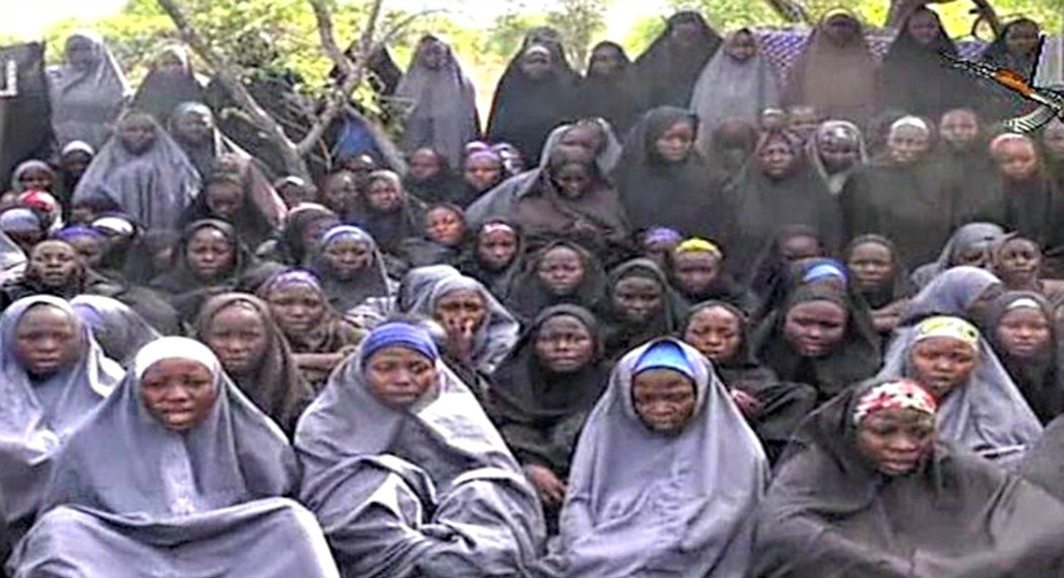
Meanwhile, Ahmed Bashir, the Personal Assistant to Nigerian President Muhammadu Buhari posted a tweet about the release of the girl students.
GREAT NEWS from Dapchi, Yobe State. Thank God for the safe return of our sisters. Alhamdulillah!
— Bashir Ahmad (@BashirAhmaad) March 21, 2018
Bashir Manzo, whose 16-year-old daughter was among those kidnapped, confirmed his daughter was among those freed. “As I speak to you there is jubilation in Dapchi,” he said.
Having seen the inhuman acts of the Boko Haram, the residents in Dapchi fled from their homes on Wednesday morning upon hearing that their vehicles were headed towards the town.
Umar Hassan, one of the residents told AFP, “We fled but from our hiding we could see them and surprisingly, we saw our girls getting out of the vehicles.”
Another eyewitness who saw the release of the girl students said: “They assembled the girls and talked to them for some few minutes and left without any confrontation.” However, Boko Haram fighers warned the residents: “Don’t ever put your daughters in school again.”
Boko Haram means “Western education is forbidden” in the Hausa language. Their identical ideology is marked as that of Taliban in Afghanistan. During their rule in Afghanistan Taliban had stopped female students from attending the schools.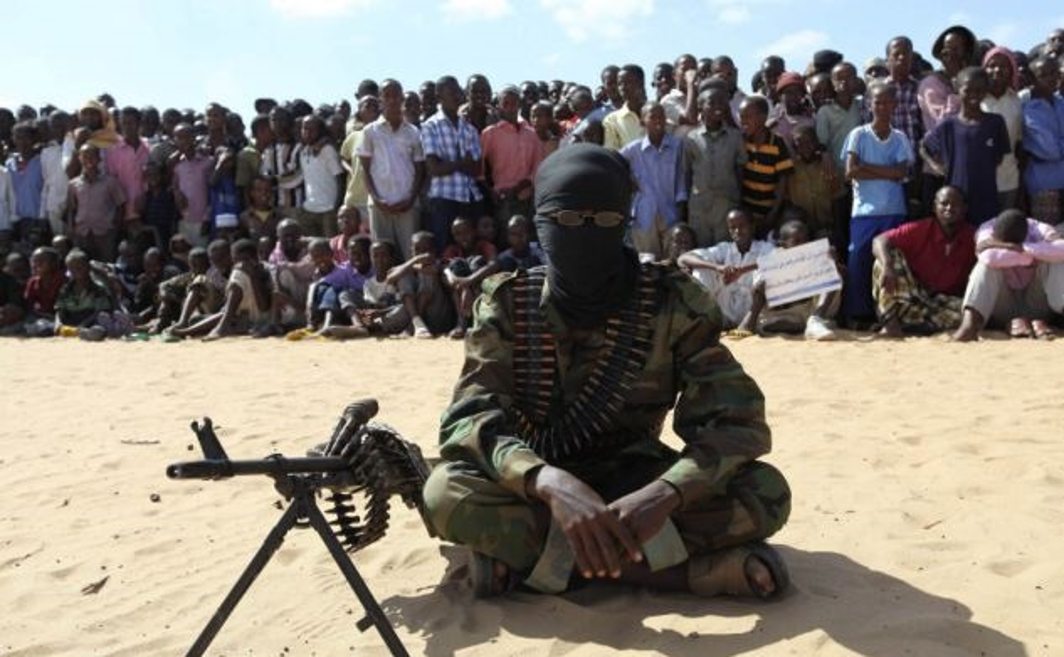
Al Jazeera’s Ahmed Idris, reporting from Nigeria’s Yolo, said the abduction prompted public anger against the government for failing to prevent it, which put a lot of pressure on the authorities to act fast.
“The government deployed a lot of resources, including aircraft and heavy equipment on the ground, to pursue abductors of these girls,” he said.
Amnesty International on Tuesday cited security officials and witnesses as saying the military and police received at least five calls in the hours before the February school attack but failed to act. Nigeria denied the accusations.
Boko Haram was also responsible for abducting 276 school girls in 2014 from Chibok, in northern Borno state. About 100 of them have never returned to their families.
There was controversy after the abduction of 110 school girls in February last. Ibrahim Geidam, the governor of Yobe State had complained about the withdrawal of troops from Dapchi allegedly just hours before the abduction, without informing either the local police or the state government in advance.
The dreaded armed group was founded by Mohammed Yusuf in 2002 and has been led by Abubakar Sheikau since 2009. From March 2015 to August 2016, the group was briefly aligned with Daesh (IS). Since the beginning of the present insurgency, Boko Haram has killed tens of thousands and displaced 2.3 million from their homes.
Boko Haram seeks the establishment of an Islamic State in Nigeria and opposes the Westernisation of their society. Nigeria is Africa’s biggest economy but 60% of its population live on less than a US dollar a day.




Latest world news
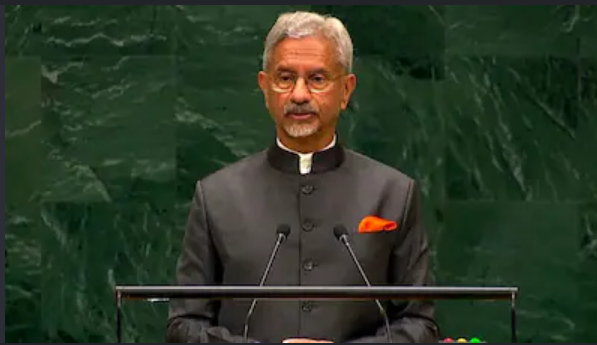
S Jaishankar says India is a natural option for Russia amid Europe tensions
External Affairs Minister S Jaishankar said India remained a natural option for Russia as Moscow increasingly turned towards Asia amid strained relations with Europe. He highlighted the continuity of India-Russia ties and their significance for the balance of power in Asia.


Latest world news
Putin praises PM Modi, says he has very good ideas on Ukraine war
Russian President Vladimir Putin has praised Prime Minister Narendra Modi for repeatedly raising the need to end the Ukraine war, describing his ideas for a settlement as “very good”.

Latest world news
S Jaishankar calls Pakistan a “serial practitioner of terrorism” at UN
S Jaishankar criticised Pakistan at the UN General Assembly, referring to a “serial practitioner of terrorism” and warning against attempts to normalise terrorism.

Dhruv Rathee gets fresh summons in 2018 BJP IT cell video case

Nobody can browbeat judiciary, Chief Justice warns over Rahul Gandhi’s march

India-US trade deal first phase finalised, drafting underway

Election Commission orders voter roll revision in 17 states, UTs

Actor Imran Khan asked to leave India after CJP protest

Delhi Police offers 11-person limit for CJP’s Connaught Place protest
Actor Imran Khan asked to leave India after CJP protest
Election Commission orders voter roll revision in 17 states, UTs
India-US trade deal first phase finalised, drafting underway
Nobody can browbeat judiciary, Chief Justice warns over Rahul Gandhi’s march

Afghan Men Try To Hang With The Jet Engine Of The Aircraft in Kabul- Afghanistan News – Kabul News
Trending Top 10 News: 10000 Crore Fine on Flipkart, Apple to Launch Unique Feature, Hdfc Bank Job Ad

Trending Top 10 News: Nokia 6310, Apple sales, Bachpan ka Pyar Video Kid, Dainik Bhaskar IT Raid

Trending Top 10 News: Canada bans Indian flights, Rain in Delhi NCR, AIMIM Twitter hacked, Raj Kundra case

Trending Top 10 News: Shein India, Apple New Service, Pocket Oxygen, Oppo Launched New Phone
-
 India News18 hours ago
Dhruv Rathee gets fresh summons in 2018 BJP IT cell video case
-
 India News15 hours ago
Nobody can browbeat judiciary, Chief Justice warns over Rahul Gandhi’s march
-
 India News10 hours ago
India-US trade deal first phase finalised, drafting underway
-
 India News8 hours ago
Election Commission orders voter roll revision in 17 states, UTs
-
 India News7 hours ago
Actor Imran Khan asked to leave India after CJP protest
-
 India News6 hours ago
Delhi Police offers 11-person limit for CJP’s Connaught Place protest
