
Latest world news
Russia, China to Continue Support Iran Nuclear Deal


Trump to announce his words on JCPOA on May 12
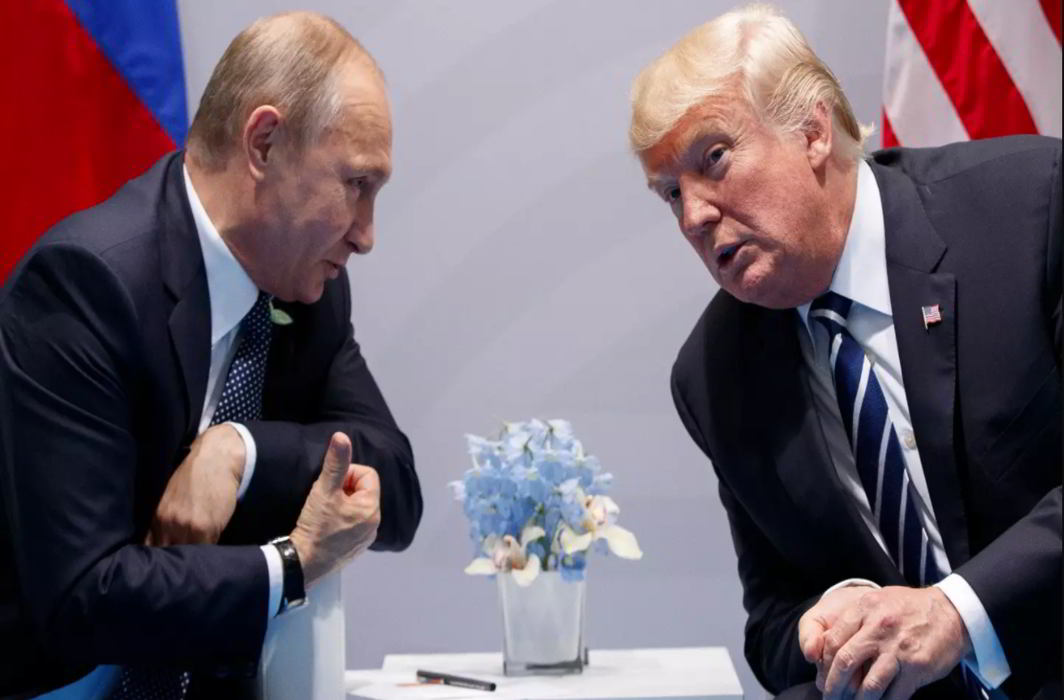
Amidst mounting pressure from US President Donlad Trump of pulling out of the landmark multilateral Iran nuclear deal when he announces his decision on May 12, Russia and China have jointly reiterated their support for the 2015 deal known as JCPOA.
The two countries issued a joint statement on Saturday at the Second Session of the Preparatory Committee for the 2020 Review Conference of the Parties to the Treaty on the Non-Proliferation of Nuclear Weapons held in Geneva.
The statement underlined their full support for the effective implementation of the United Nations Security Council approved deal signed between Iran and P5+1 in 2015.
Read More: Trump’s pull out of Iran N-deal may escalate oil prices
Moscow and Beijing stressed the independent role of the International Atomic Energy Agency (IAEA) in inspecting and monitoring Iran’s nuclear activities. They also emphasized the importance for all parties to the deal to thoroughly adhere to and fully implement their commitments under the nuclear accord.
Earlier Russian head of delegation Vladimir Yermakov, while addressing the Review Committee said, “We strongly insist that continuing faithful and comprehensive implementation of the JCPOA and the UN Security Council resolution 2231 by all states – parties to the nuclear deal without exception meet the interests of the entire global community.”
Read More: Iran: Trump’s anti-Iran move will isolate Washington
US President Donald Trump faces a May 12 deadline to decide whether to pull out of the agreement. He has repeatedly warned that he might ultimately terminate the agreement reached under Barack Obama administration.
On January 12, Trump wanted European allies to use the 120-day period to agree to tougher measures and new conditions; otherwise Washington would pull out of the deal.
 Under the landmark nuclear agreement, first of its kind, Iran undertook to put limits on its nuclear program in exchange for the removal of nuclear-related sanctions imposed against Tehran.
So far, all other countries who signed the agreement have individually and collectively have criticized Donald Trump’s hostile views, saying the deal is sound and has proven to be functioning.
Recently, French President Emanuel Macron and German Chancellor Angela Markel have met Trump in white House, which was considered to be an exercise to convince US President for not going ahead of his negative attitude towards Iran nuclear deal.
Read More: Trump, Macron for new Iran deal, instead JCPOA
Meanwhile, a senior Russian official has said on Saturday that Moscow will reinforce its relations with Iran in different sectors should the US withdraw from the 2015 nuclear agreement.
According to Tehran based Press TV, Vladimir Yermakov, head of the Russian Foreign Ministry’s Department of Non-Proliferation and Arms Control, said that US exit from the multilateral deal di not necessarily mean its end, stressing that Moscow would continue to uphold its obligations under the accord, if it was able to and if it was in its interests.
The Russian official has also noted that there was no reason for Iran to pull out of the nuclear pact as it was fully committed to its obligations.






Latest world news
Magnitude 7 earthquake strikes Tibet after floods
A magnitude 7 earthquake struck northern Tibet on Thursday, October 22. The tremor came weeks after deadly flash floods and landslides hit the mountainous region near the Nepal-China border. Initial reports did not confirm casualties or damage from the earthquake.


Latest world news
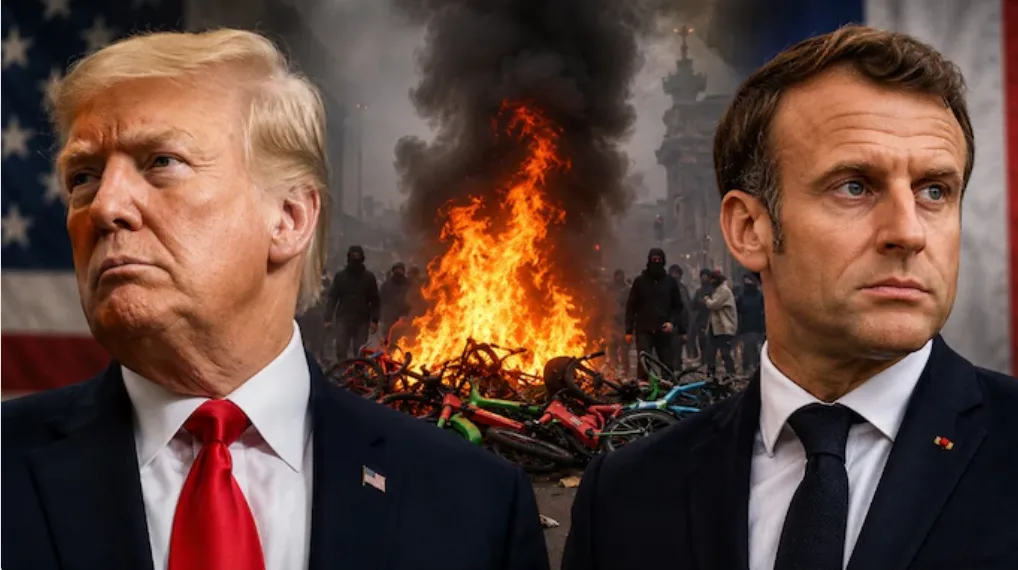
Macron rejects Trump’s immigration claims over France riots
French President Emmanuel Macron criticised Donald Trump and other foreign leaders over their comments on France’s recent unrest. Macron rejected claims that the country was being overrun by migrants and Islamists, calling such assertions false.
Latest world news
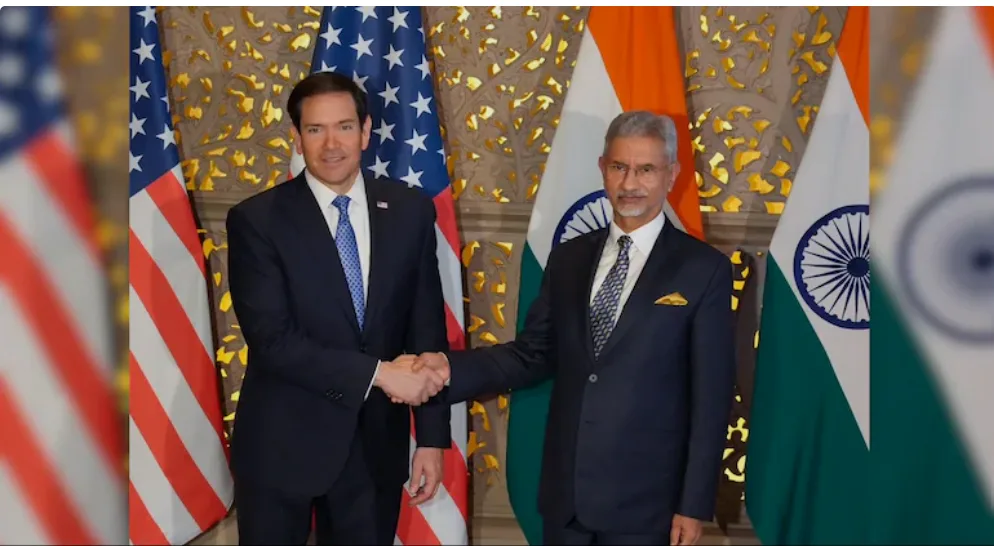
Marco Rubio says India and US share extraordinary alignment on key issues
US Secretary of State Marco Rubio said India and the United States share an extraordinary alignment on core issues, even though disagreements between the two countries may arise.

Punjab strike hits public services as 3 lakh employees and roadways workers protest

Two election commissioners complained against senior poll officer, RTI reveals

Om Prakash Mathur sworn in as Keralam Governor

PM Modi to inaugurate Rs 169-crore RBI data centre in Odisha on October 25

Delhi High Court rejects Neha Bora’s plea against peace bond notice

MEA responds after ITBP chief flags ongoing face-offs with China in Arunachal
Delhi High Court rejects Neha Bora’s plea against peace bond notice
PM Modi to inaugurate Rs 169-crore RBI data centre in Odisha on October 25
Om Prakash Mathur sworn in as Keralam Governor
Two election commissioners complained against senior poll officer, RTI reveals

Afghan Men Try To Hang With The Jet Engine Of The Aircraft in Kabul- Afghanistan News – Kabul News
Trending Top 10 News: 10000 Crore Fine on Flipkart, Apple to Launch Unique Feature, Hdfc Bank Job Ad

Trending Top 10 News: Nokia 6310, Apple sales, Bachpan ka Pyar Video Kid, Dainik Bhaskar IT Raid

Trending Top 10 News: Canada bans Indian flights, Rain in Delhi NCR, AIMIM Twitter hacked, Raj Kundra case

Trending Top 10 News: Shein India, Apple New Service, Pocket Oxygen, Oppo Launched New Phone
-
 India News14 hours ago
Punjab strike hits public services as 3 lakh employees and roadways workers protest
-
 India News14 hours ago
Two election commissioners complained against senior poll officer, RTI reveals
-
 India News3 hours ago
Om Prakash Mathur sworn in as Keralam Governor
-
 India News3 hours ago
PM Modi to inaugurate Rs 169-crore RBI data centre in Odisha on October 25
-
 India News2 hours ago
Delhi High Court rejects Neha Bora’s plea against peace bond notice
-
 India News1 hour ago
MEA responds after ITBP chief flags ongoing face-offs with China in Arunachal
