
Latest world news
Singapore may host Trump-Kim-Moon tripartite Summit?


[vc_row][vc_column][vc_column_text]North Korea reluctant to ship our all nuclear warheads before summit
Amidst preparations for a summit between US President Donald Trump and North Korean leader Kim Jong-un on June 12 in Singapore, there are indications that South Korean President Moon Jae-in could also make a trip to Singapore for a possible three-way summit around the same time.
South Korean official news agency Yonhap, quoting an unnamed presidential official, said a three-way meeting depends on the outcome of the ongoing discussions between Washington and Pyongyang.
The agency quoted the official saying, “The discussions are just getting started, so we are still waiting to see how they come out, but depending on their outcome, the president could join President Trump and Chairman Kim in Singapore.”
Read More: Trump-Kim Summit in jeopardy after US-South Korea drill
There were reports that Moon and Kim had first proposed a three-way summit during their first-ever meeting at the border village of Panmunjom on April 27.
Meanwhile an American delegation met with North Korean officials at the demilitarized zone between North and South on Monday. Both the State Department and South Korea’s foreign ministry said officials were in discussions at the Korean village of Panmunjom.

Earlier on Thursday, Donald Trump rattled the region by withdrawing from the proposed June 12 Summit. But within 24 hours he reversed course, saying it could still go ahead after productive talks were held with North Korean officials.[/vc_column_text][vc_raw_html]JTNDYmxvY2txdW90ZSUyMGNsYXNzJTNEJTIydHdpdHRlci10d2VldCUyMiUyMGRhdGEtbGFuZyUzRCUyMmVuJTIyJTNFJTNDcCUyMGxhbmclM0QlMjJlbiUyMiUyMGRpciUzRCUyMmx0ciUyMiUzRU91ciUyMFVuaXRlZCUyMFN0YXRlcyUyMHRlYW0lMjBoYXMlMjBhcnJpdmVkJTIwaW4lMjBOb3J0aCUyMEtvcmVhJTIwdG8lMjBtYWtlJTIwYXJyYW5nZW1lbnRzJTIwZm9yJTIwdGhlJTIwU3VtbWl0JTIwYmV0d2VlbiUyMEtpbSUyMEpvbmclMjBVbiUyMGFuZCUyMG15c2VsZi4lMjBJJTIwdHJ1bHklMjBiZWxpZXZlJTIwTm9ydGglMjBLb3JlYSUyMGhhcyUyMGJyaWxsaWFudCUyMHBvdGVudGlhbCUyMGFuZCUyMHdpbGwlMjBiZSUyMGElMjBncmVhdCUyMGVjb25vbWljJTIwYW5kJTIwZmluYW5jaWFsJTIwTmF0aW9uJTIwb25lJTIwZGF5LiUyMEtpbSUyMEpvbmclMjBVbiUyMGFncmVlcyUyMHdpdGglMjBtZSUyMG9uJTIwdGhpcy4lMjBJdCUyMHdpbGwlMjBoYXBwZW4lMjElM0MlMkZwJTNFJTI2bWRhc2glM0IlMjBEb25hbGQlMjBKLiUyMFRydW1wJTIwJTI4JTQwcmVhbERvbmFsZFRydW1wJTI5JTIwJTNDYSUyMGhyZWYlM0QlMjJodHRwcyUzQSUyRiUyRnR3aXR0ZXIuY29tJTJGcmVhbERvbmFsZFRydW1wJTJGc3RhdHVzJTJGMTAwMDgzMTMwNDgzNjAxODE3NiUzRnJlZl9zcmMlM0R0d3NyYyUyNTVFdGZ3JTIyJTNFTWF5JTIwMjclMkMlMjAyMDE4JTNDJTJGYSUzRSUzQyUyRmJsb2NrcXVvdGUlM0UlMEElM0NzY3JpcHQlMjBhc3luYyUyMHNyYyUzRCUyMmh0dHBzJTNBJTJGJTJGcGxhdGZvcm0udHdpdHRlci5jb20lMkZ3aWRnZXRzLmpzJTIyJTIwY2hhcnNldCUzRCUyMnV0Zi04JTIyJTNFJTNDJTJGc2NyaXB0JTNFJTBB[/vc_raw_html][vc_column_text]A statement from North Korea’s state news agency KCNA on Sunday also said Kim expressed “his fixed will” on the possibility of meeting Trump as previously planned.
Read More: Trump-Kim Summit not happening on June 12
While maintaining that Kim is committed to denuclearization, South Korean President Moon Jae-in acknowledged Pyongyang and Washington may have differing expectations of what that means, and he urged both sides to hold working-level talks to resolve their differences.
The leaders of North and South Korea suddenly met late on Saturday evening for the second time within a month.
Read More: Surprise: North-South Korean leaders held “sudden meeting”
Moon said, “Even though they share the same resolve, there need to be discussions regarding the roadmap for how to make it happen, and that process could be tough,” declining to define “complete denuclearization”.
On Sunday, Japan’s Kyodo news agency, citing unnamed US officials, reported that US has asked North Korea to move all of its nuclear warheads out of the Korean Peninsula before the June 12 summit between US President Donald Trump and North Korean leader Kim Jong Un.
The officials say that Pyongyang has been reluctant to ship out its estimated 20 warheads along with its intercontinental ballistic missiles (ICBMs) out of the country. However, Kyodo claimed that Kim had offered to ship out some of the missiles that are capable of hitting US mainland.
US officials have also discussed possible plans to scrap weapons-grade plutonium, highly enriched uranium and other weapons related material that North Korea might have.
Read More: North Korea: will not beg the US for dialogue
North Korea has, on Thursday, dismantled the Punggye-ri, its sole known nuclear test site in an array of explosions. This has been the staging ground for all six of the its nuclear tests, including its latest far most powerful one in September last year.
Read More: Trump welcomes Kim’s gesture of dismantling nuclear-test site
[/vc_column_text][/vc_column][/vc_row]








Latest world news
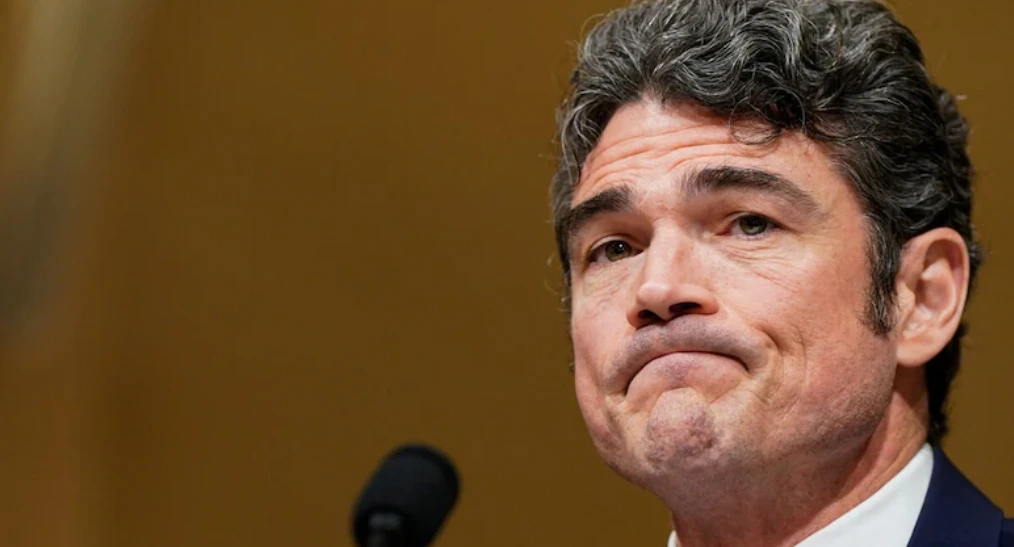
Top US counterterrorism official resigns over Iran war, cites conscience
Joseph Kent steps down as US counterterrorism chief, questioning the justification for the Iran war and citing moral concerns.

Latest world news
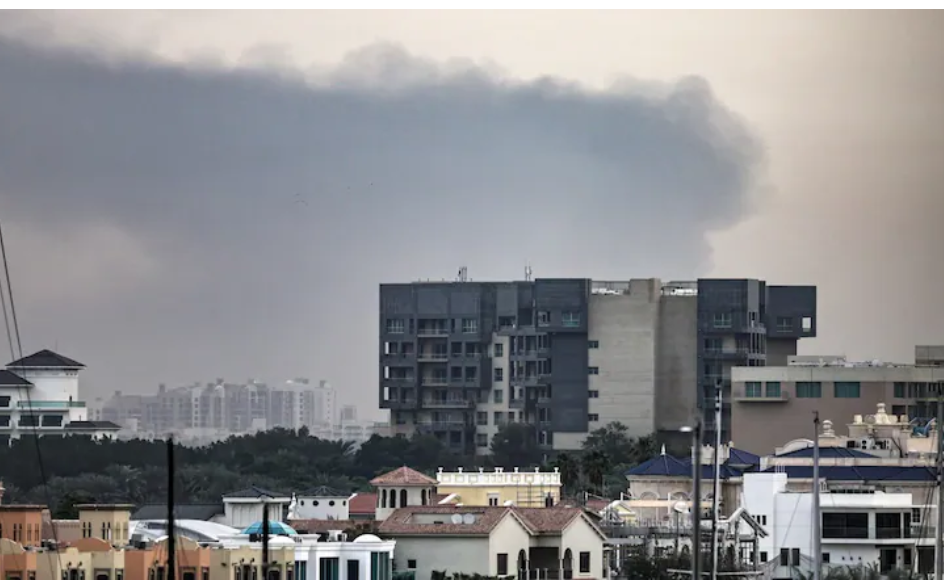
Fire near Dubai International Airport after drone incident, flights temporarily suspended
Flights at Dubai International Airport were temporarily suspended after a drone-related incident caused a fuel tank fire near the facility. Authorities confirmed the blaze was contained and no injuries were reported.

Latest world news
Dubai hit again within 24 hours as debris strikes building, drone targets US embassy in Baghdad
A building in Dubai’s financial hub was struck by debris from an intercepted attack while a drone targeted the US embassy in Baghdad, officials said.

Om Birla likely to move motion to revoke suspension of 8 opposition MPs today

Pakistan airstrike allegations on Kabul hospital leave hundreds dead, claims Taliban

Mamata Banerjee writes to poll chief over officers’ reshuffle, calls move arbitrary

Maharashtra passes freedom of religion bill with jail term up to 10 years
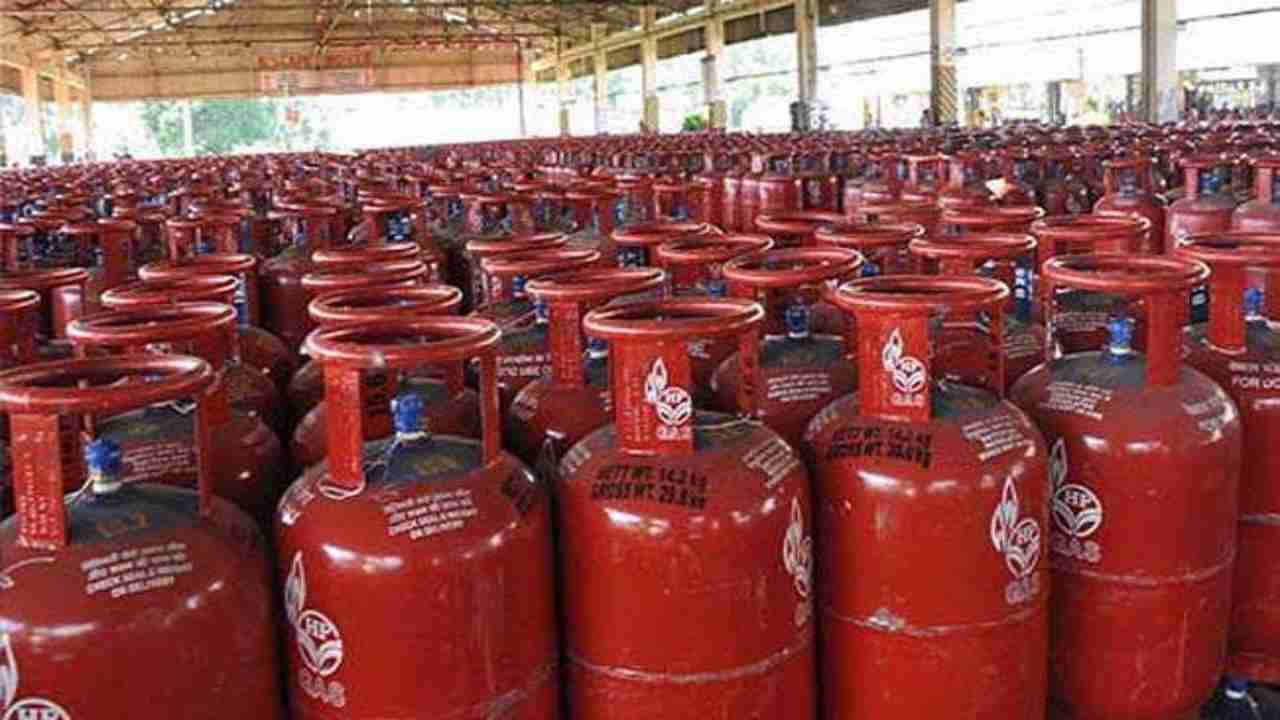
Centre assures action on LPG supply disruption, court closes distributors’ plea

Top US counterterrorism official resigns over Iran war, cites conscience

Mamata Banerjee warns BJP, EC over Bengal polls, says they will be accountable
Centre assures action on LPG supply disruption, court closes distributors’ plea
Om Birla likely to move motion to revoke suspension of 8 opposition MPs today
Maharashtra passes freedom of religion bill with jail term up to 10 years

Afghan Men Try To Hang With The Jet Engine Of The Aircraft in Kabul- Afghanistan News – Kabul News
Trending Top 10 News: 10000 Crore Fine on Flipkart, Apple to Launch Unique Feature, Hdfc Bank Job Ad

Trending Top 10 News: Nokia 6310, Apple sales, Bachpan ka Pyar Video Kid, Dainik Bhaskar IT Raid

Trending Top 10 News: Canada bans Indian flights, Rain in Delhi NCR, AIMIM Twitter hacked, Raj Kundra case

Trending Top 10 News: Shein India, Apple New Service, Pocket Oxygen, Oppo Launched New Phone
-
 India News22 hours ago
Om Birla likely to move motion to revoke suspension of 8 opposition MPs today
-
 India News23 hours ago
Pakistan airstrike allegations on Kabul hospital leave hundreds dead, claims Taliban
-
 India News22 hours ago
Mamata Banerjee writes to poll chief over officers’ reshuffle, calls move arbitrary
-
 India News22 hours ago
Maharashtra passes freedom of religion bill with jail term up to 10 years
-
India News13 hours ago
Centre assures action on LPG supply disruption, court closes distributors’ plea
-
 India News11 hours ago
Mamata Banerjee warns BJP, EC over Bengal polls, says they will be accountable
-
 Latest world news11 hours ago
Top US counterterrorism official resigns over Iran war, cites conscience
