
Latest world news
Syrian President Assad to visit North Korea


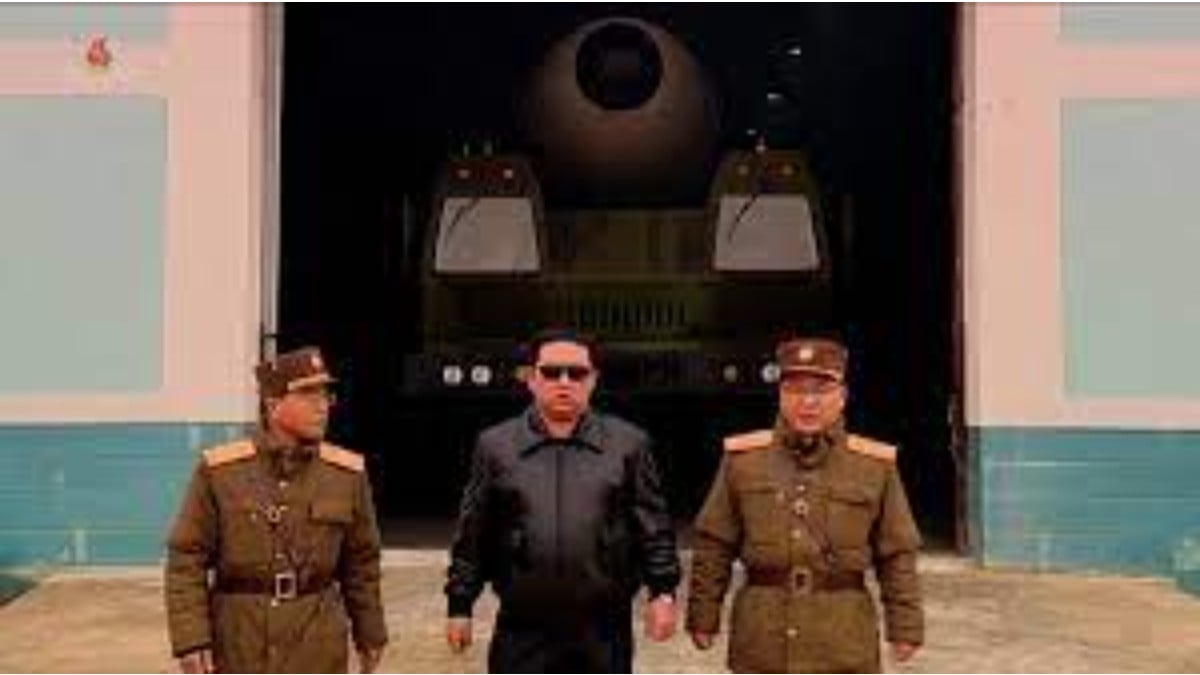
Syrian President Bashar Al-Assad is set to visit Pyongyang, the North Korean capital to meet Kim Jong Un, the official state run media said in Pyongyang on Sunday. Assad will be the first visiting head of state in that country under the present regime since 2011.
While accepting the credentials of the new North Korean ambassador Mun Jong-nam on May 30 in Damascus, Assad was quoted saying, “I am to visit the DPRK and meet HE Kim Jong-un.” Syrian President used the acronym for North Korea’s full name, the Democratic People’s Republic of Korea.
He further said, “I am sure that he will achieve the final victory and realize the reunification of Korea without fail.”
Syrian official media or President Assad’s office has not formally announced the details so far.
The news about Syrian President’s proposed visit to North Korea has come at a time when Russian foreign minister Sergei Lavrov has recently visited Pyongyang.
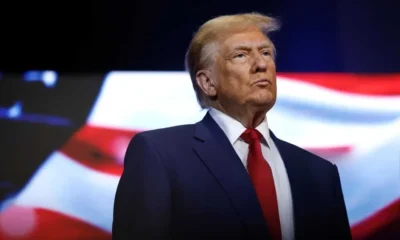
 US President Donald Trump has also reaffirmed his June 12 summit meeting to be held in Singapore. However, Kim is continuing its outreach to American adversaries.
Read More: Syrian President Assad says Trump’s “animal” smear represent himself
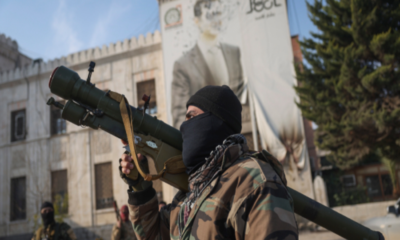
Syria and North Korea, having close ties with Russia, China and all others who negate US hegemony, maintain good relations. United Nations monitors have accused North Korea of cooperating with Syria on chemical weapons, a charge Pyongyang denies. Both the countries also face international isolation.
Read More: Syria: US, Russia continue nursing interests amidst bloodshed
Close military cooperation between the two countries began when North Korea sent some 530 troops- including pilots, tank drivers and missile personnel- to Syria during the Arab-Israel war in October 1973.
Since the end of March, North Korean leader Kim Jong Un has twice met with Chinese President Xi Jinping and also held two meetings with his South Korean counterpart Mon Jae-In in the demilitarized zone between the two countries.






Latest world news
S Jaishankar says India is a natural option for Russia amid Europe tensions
External Affairs Minister S Jaishankar said India remained a natural option for Russia as Moscow increasingly turned towards Asia amid strained relations with Europe. He highlighted the continuity of India-Russia ties and their significance for the balance of power in Asia.


Latest world news
Putin praises PM Modi, says he has very good ideas on Ukraine war
Russian President Vladimir Putin has praised Prime Minister Narendra Modi for repeatedly raising the need to end the Ukraine war, describing his ideas for a settlement as “very good”.

Latest world news
S Jaishankar calls Pakistan a “serial practitioner of terrorism” at UN
S Jaishankar criticised Pakistan at the UN General Assembly, referring to a “serial practitioner of terrorism” and warning against attempts to normalise terrorism.
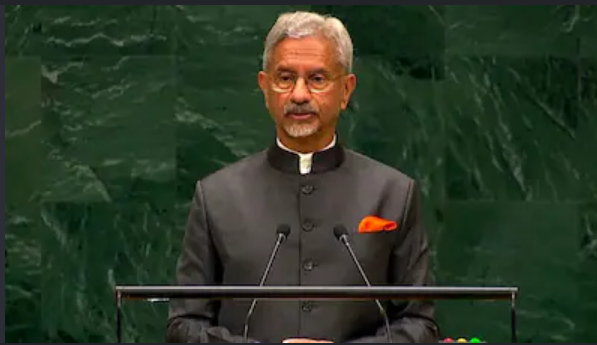

CJP leaders Saurav Das, Ashutosh Ranka, Ajinkya Shinde sent to 5-day judicial custody

PM Modi speaks to Mark Carney as India and Canada push to strengthen ties

S Jaishankar says India is a natural option for Russia amid Europe tensions

Meerut murder: Muskaan Rastogi and Sahil Shukla get death sentence

Rahul Gandhi joins India Gate protest by Ankita Bhandari’s parents

Supreme Court questions EC over missing records in Sringeri election dispute
Rahul Gandhi joins India Gate protest by Ankita Bhandari’s parents
Meerut murder: Muskaan Rastogi and Sahil Shukla get death sentence
PM Modi speaks to Mark Carney as India and Canada push to strengthen ties
S Jaishankar says India is a natural option for Russia amid Europe tensions

Afghan Men Try To Hang With The Jet Engine Of The Aircraft in Kabul- Afghanistan News – Kabul News
Trending Top 10 News: 10000 Crore Fine on Flipkart, Apple to Launch Unique Feature, Hdfc Bank Job Ad

Trending Top 10 News: Nokia 6310, Apple sales, Bachpan ka Pyar Video Kid, Dainik Bhaskar IT Raid

Trending Top 10 News: Canada bans Indian flights, Rain in Delhi NCR, AIMIM Twitter hacked, Raj Kundra case

Trending Top 10 News: Shein India, Apple New Service, Pocket Oxygen, Oppo Launched New Phone
-
 India News23 hours ago
CJP leaders Saurav Das, Ashutosh Ranka, Ajinkya Shinde sent to 5-day judicial custody
-
 India News22 hours ago
PM Modi speaks to Mark Carney as India and Canada push to strengthen ties
-
 Latest world news22 hours ago
S Jaishankar says India is a natural option for Russia amid Europe tensions
-
 India News12 hours ago
Meerut murder: Muskaan Rastogi and Sahil Shukla get death sentence
-
 India News11 hours ago
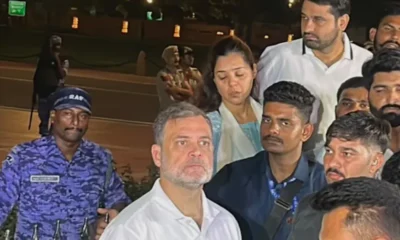
Rahul Gandhi joins India Gate protest by Ankita Bhandari’s parents
-
 India News10 hours ago
Supreme Court questions EC over missing records in Sringeri election dispute
