English हिन्दी
Connect with us

Latest world news

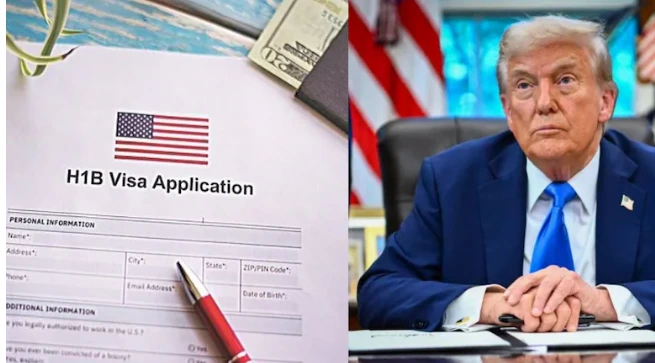
Trump administration plans fresh H-1B visa restrictions after massive $100,000 fee hike

The Trump administration is set to impose fresh H-1B visa restrictions beyond the recent $100,000 fee hike, potentially affecting thousands of Indian IT professionals and students.

Published

on

In a move that could significantly reshape the US work visa landscape, the Donald Trump administration is planning additional restrictions on the H-1B visa programme — beyond the recently announced $100,000 mandatory fee. The move is part of Washington’s wider agenda to overhaul immigration rules for high-skilled foreign professionals.

According to a new proposal listed in the Federal Register under “Reforming the H-1B Nonimmigrant Visa Classification Program”, the Department of Homeland Security (DHS) intends to revise eligibility criteria, increase scrutiny of employers violating programme norms, and tighten oversight on third-party placements.

While the specifics remain under discussion, it is unclear whether the administration will narrow exemptions for nonprofit research organisations, universities, and healthcare institutions — all of which currently benefit from being exempt from the annual cap.

“These changes are intended to improve the integrity of the H-1B nonimmigrant program and better protect US workers’ wages and working conditions,” the proposal stated. The revised rules are expected to be published by December 2025, according to the DHS regulatory notice.

Impact On Indian Tech Professionals

The reforms could have a far-reaching impact on thousands of Indian students and skilled workers who depend on the H-1B visa to gain employment in the US. Nearly 75% of all H-1B approvals in 2023 were granted to Indian nationals, according to data by the Pew Research Centre.

Reports also suggest the Trump administration may revive its plan to replace the current lottery-based system with a wage-based selection model — prioritising applicants with higher salaries.

Why H-1B Visas Matter

Created under the 1990 Immigration Act, the H-1B visa allows American employers to hire highly skilled foreign professionals in fields where US talent is scarce. It remains one of the few practical pathways for foreign nationals — especially Indians — to work in the US before obtaining permanent residency.

The US caps annual H-1B issuances at 65,000, with an additional 20,000 reserved for candidates holding a US master’s degree or higher. Certain employers, such as nonprofits and universities, remain exempt from these limits.

A Pew Research Centre analysis found that about 60% of approved H-1B visas since 2012 were for computer-related occupations. However, the programme also benefits sectors such as education, finance, and healthcare.

Research further shows that H-1B visa holders are typically paid on par or higher than their American counterparts, as employers are legally required to pay the prevailing wage in addition to substantial visa fees — often exceeding $6,000.

Latest world news

Trump approves nearly $9 billion weapons sales to Israel, UAE and other allies amid Iran tensions

The US has fast-tracked nearly $9 billion in weapons sales to Israel, UAE and other allies as tensions linked to the Iran conflict continue despite a fragile ceasefire.

Published

on

Donald Trump statement

The United States has approved nearly $9 billion worth of weapons sales to key Middle Eastern allies, including Israel and the United Arab Emirates, amid ongoing tensions linked to the Iran conflict.

The decision, cleared by the administration of Donald Trump, includes expedited military transfers to Israel, the UAE, Qatar, and Kuwait. The approvals were granted under an emergency provision, allowing authorities to bypass the usual congressional review process.

Emergency clearance amid ongoing conflict

Officials said the move was necessary due to the evolving security situation in the region, particularly as the conflict involving Iran continues despite a fragile ceasefire. The war, which began earlier in 2026, has heightened instability across West Asia.

US Secretary of State Marco Rubio invoked emergency powers to fast-track the deals, citing urgent defence requirements for allied nations.

What the arms package includes

The approved package includes a mix of advanced defence systems and precision weapons:

  • Patriot missile defence replenishments worth over $4 billion for Qatar
  • Precision-guided weapon systems for multiple countries
  • Integrated battle command systems for Kuwait
  • Additional advanced weapons support for Israel and the UAE

The total value of these deals is estimated at over $8.6 billion, often rounded to nearly $9 billion.

Timing linked to iran war

The approval comes nearly nine weeks into the conflict involving the US, Israel, and Iran, with tensions still high despite a ceasefire that has been in place for several weeks.

Analysts note that the move signals continued US military backing for its regional allies, particularly in strengthening air defence and precision strike capabilities during uncertain conditions.

Criticism and concerns

The decision to bypass congressional oversight has drawn criticism from some quarters, particularly over transparency and the broader implications of increasing arms supplies in a conflict-prone region.

Continue Reading

Latest world news

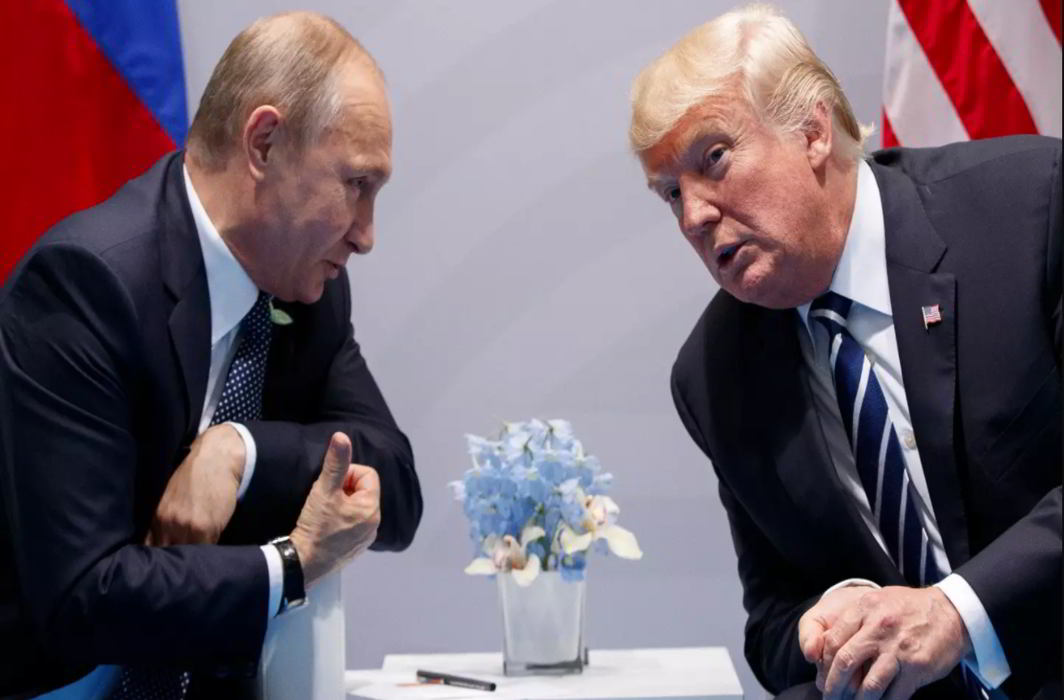
Trump and Putin hold over 90-minute call, discuss Iran war and Ukraine conflict

Trump and Putin held a 90-minute call focusing on Iran tensions and the Ukraine conflict, with warnings over escalation and talks of ceasefire.

Published

on

Vladimir Putin and Donald Trump

US President Donald Trump and Russian President Vladimir Putin held a phone conversation lasting more than 90 minutes, focusing on escalating tensions in the Middle East and the ongoing war in Ukraine.

According to official statements, the discussion was described as “frank and businesslike,” with both leaders addressing key global security concerns. A major part of the conversation centred on the situation involving Iran and developments in the Persian Gulf.

Putin supported Trump’s decision to extend the ceasefire related to Iran, suggesting that continued restraint could create space for negotiations and help stabilise the region. However, he also issued a strong warning, stating that renewed military action by the United States or Israel could lead to “extremely damaging consequences” not only for Iran but for the wider international community.

Ukraine conflict also discussed

The leaders also discussed the ongoing war in Ukraine, which has continued for several years since Russia’s invasion in 2022. During the call, there were indications of potential efforts toward a temporary ceasefire, although no final agreement has been confirmed.

Reports suggest that the idea of a short-term pause in hostilities was explored, possibly linked to upcoming symbolic dates, but significant differences between the parties remain unresolved.

Focus on diplomacy amid global tensions

The call highlights ongoing diplomatic engagement between Washington and Moscow at a time of heightened geopolitical tensions involving both the Middle East and Eastern Europe.

While both sides acknowledged the importance of dialogue, the situation on the ground in both conflict zones remains complex, with no immediate resolution in sight.

Continue Reading

Latest world news

Trump rejects Iran peace plan as tensions rise, Tehran signals military readiness

Trump rejects Iran’s peace plan, keeping focus on nuclear concerns as Tehran signals readiness and tensions continue to rise.

Published

on

Donald Trump statement

U.S. President Donald Trump has rejected a proposal from Iran aimed at easing ongoing tensions, signaling a continued deadlock between the two countries.

The proposal reportedly included steps linked to easing restrictions around the Strait of Hormuz, a key global oil route. However, the United States declined the offer, maintaining that any agreement must address concerns related to Iran’s nuclear programme.

Washington has made it clear that resolving nuclear issues remains a priority and that partial measures without broader commitments will not be accepted.

Nuclear issue remains central

The U.S. position continues to focus on preventing Iran from advancing its nuclear capabilities. Officials believe that without a comprehensive agreement, temporary arrangements could delay a long-term resolution.

The rejection of the proposal indicates that negotiations remain stalled, with both sides holding firm on key demands.

Iran issues warning

Following the rejection, Iranian officials have issued strong statements, indicating readiness to respond if pressure from the U.S. continues.

Reports suggest that Iran has asserted its military preparedness, warning that any escalation could lead to serious consequences. The remarks reflect growing tensions as diplomatic efforts struggle to produce results.

Rising geopolitical tension

The situation remains volatile, with both countries engaged in a prolonged standoff. Measures such as restrictions on trade routes and strategic pressure points continue to impact the broader region.

The Strait of Hormuz remains a critical factor in the conflict, given its importance for global energy supplies.

Outlook uncertain

With no immediate breakthrough in sight, tensions between the United States and Iran are expected to persist. The lack of agreement on key issues, particularly the nuclear programme, continues to hinder progress toward de-escalation.

Continue Reading

Trending

© Copyright 2022 APNLIVE.com