Latest world news
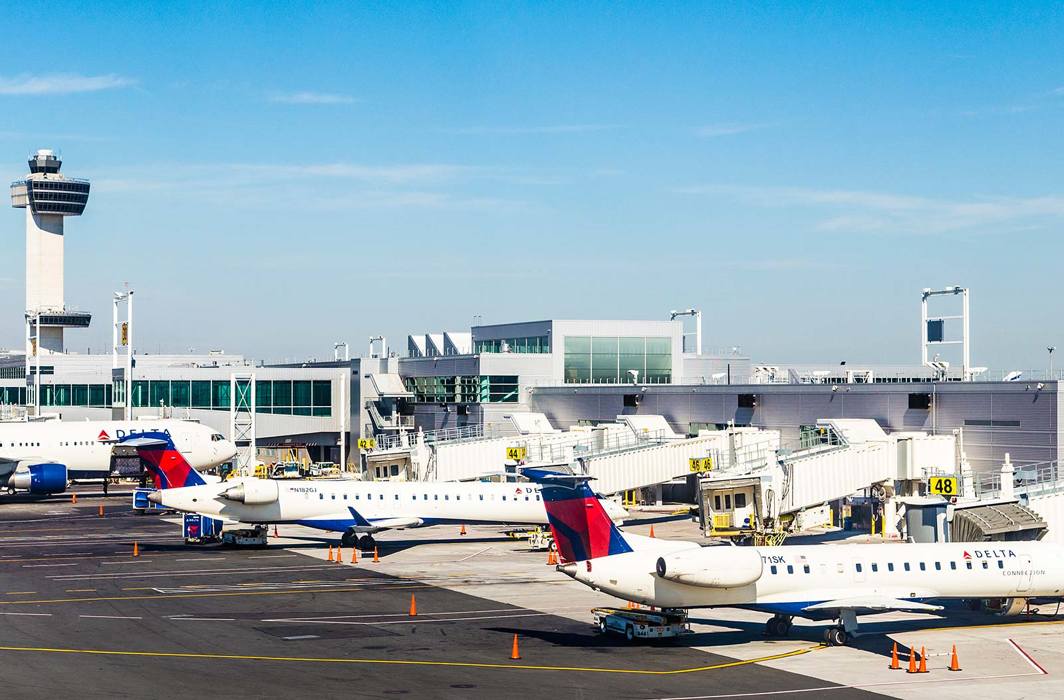
US not considering change in H1-B visa rules


Relief for over 5 lakh Indians working in US
In a major turn-around, US has clarified that it was not considering any change in H1B visa rules which could force half of the working Indians to leave the country. It will give respite to over half a million Indians waiting for a green card for almost a decade.
The clarification came, on Tuesday, after protests against proposed tweak in the laws as part of President Donald Trump’s “Buy American, Hire American” initiative. That could have led to deportation of over 7,50,000 Indians.
On Tuesday, the US administration clarified that it was not considering any policy alteration which could fuel a “self-deportation” of sorts. The US Citizenship and Immigration Services (USCIS) announced that it was not considering “a regulatory change that would force H-1B visa holders to leave the US by changing interpretation of section a04C of the American Competitiveness in the 21st Century Act (AC21) statute that states that USCIS may grant the extensions”.
Honathan Withington, Chief of Media Relations at USCIS said in a statement, “Even if it were, such a change would not likely result in these H-1B visa holders having to leave the United States because employers could request extensions in one-year increments under section 106(a)-(b) of AC21 instead.”
He further said, “The agency is considering a number of policy and regulatory changes to carry out the president’s ‘Buy American, Hire American’ executive order, including a thorough review of employment-based visa programmes.”
There were reports that USCIS was drafting a policy to curb the indefinite extension for H-1B visa holders on the green-card route, forcing them to return home. The immigrant community was left perturbed.
The US Chamber of Commerce spokesperson told on Saturday that “It would tremendously be a bad policy to tell highly-skilled individuals who are applying for permanent residency and have been working in the US for several years that they are no longer welcome. This policy would harm American business, our economy, and the country.”
On January 4, Poorvi Chothani, the managing director of a prominent law firm LawQuest, said, “People will most likely be unwilling to make long-term plans for working in the US if settling down there is not an option or is a huge hurdle. I also think it will affect the number of students that will go to study in the US.”
However, despite the latest US announcement Indians were not ready to take it easy. Visa laws have turned stringent since Trump took office in January 2017. Even the premium processing for H1-B visa is being halted and it is getting tougher.
The H1-B, a non-immigrant visa allows US companies to employ foreign workers: theoretical or technical expertise. It is issued for three to six years but visa holders start process to obtain green card which allows work visas renewal indefinitely.
On the New Year, US based news portal McCathy had reported that the change in rules would stop the abuse and misuse of H-1B visas and end the provision of granting visa extension for those who have applied for Green Card.
The present law “allows the administration to extend the H1-B visa for thousands of immigrants, predominantly Indians, beyond the allowed two three-year terms if a green card is pending.”
In October 2017, finance minister Arun Jaitley had raised the H1-B visa issue during his talks with US Treasury and Commerce Secretaries and asked to appreciate the contributions of Indian professionals to the US economy.
There are reports that more than 1 million H1-B visa holders, most of them Indians, are waiting for their green cards for more than ten years. During the election campaign Donald Trump had promised to tighten H1-B and L-1 visa provisions for generating more jobs for domestic population.







Latest world news
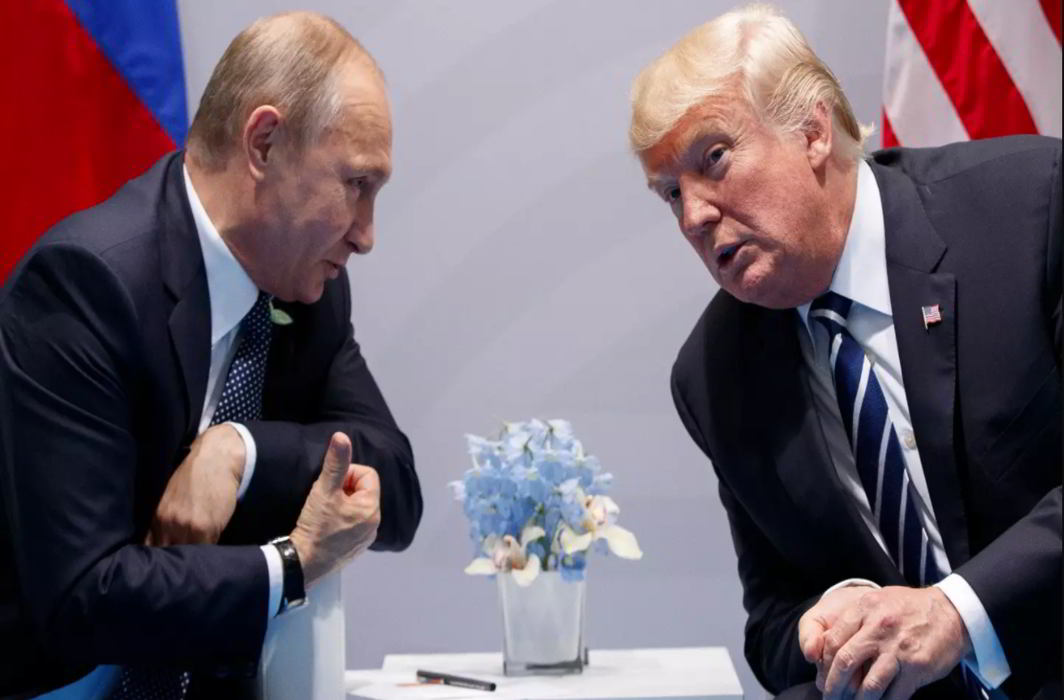
Trump waives Russia-related sanctions, tariffs in relief for India
Donald Trump has waived several Russia-related sanctions, restrictions and duties under a new US law, potentially easing tariff pressure on India and China, two major buyers of Russian energy.

Latest world news
Magnitude 7 earthquake strikes Russia’s Kamchatka Peninsula
A magnitude 7 earthquake struck Russia’s Kamchatka Peninsula region on Friday. The initial report placed the earthquake at a depth of 140 kilometres.

Latest world news
S Jaishankar says India is a natural option for Russia amid Europe tensions
External Affairs Minister S Jaishankar said India remained a natural option for Russia as Moscow increasingly turned towards Asia amid strained relations with Europe. He highlighted the continuity of India-Russia ties and their significance for the balance of power in Asia.


Anirudh Ravichander to marry Kavya Maran in November, reception on November 21

Journalist files police complaint against Rahul Gandhi over push allegation

Delhi court orders release of CJP founder Abhijeet Dipke
Journalist files police complaint against Rahul Gandhi over push allegation
Delhi court orders release of CJP founder Abhijeet Dipke
Anirudh Ravichander to marry Kavya Maran in November, reception on November 21

ED summons Pinarayi Vijayan in money laundering case

LK Advani, 98, hospitalised in Delhi with chest infection

Afghan Men Try To Hang With The Jet Engine Of The Aircraft in Kabul- Afghanistan News – Kabul News
Trending Top 10 News: 10000 Crore Fine on Flipkart, Apple to Launch Unique Feature, Hdfc Bank Job Ad

Trending Top 10 News: Nokia 6310, Apple sales, Bachpan ka Pyar Video Kid, Dainik Bhaskar IT Raid

Trending Top 10 News: Canada bans Indian flights, Rain in Delhi NCR, AIMIM Twitter hacked, Raj Kundra case