
Latest world news
US, Saudi Arabia ask Palestinians to talk to Israel


[vc_row][vc_column][vc_column_text]MBS says confronting Iran’s influence in the region more important than Palestine issue
US and its allies in the Middle East, especially Saudi Arabia have resumed exerting pressure on Palestinian Authority led by Mehmoud Abbas to start negotiations with Israel government to settle the outstanding issues.
Saudi Crown Prince Mohammed Bin Salman has even suggested Palestinian leadership to either accept what Trump is offering or shut their mouth.
US Secretary of State Mike Pompeo, while addressing a joint press conference with Jordanian foreign minister Ayman Safadi, on Monday, called on Palestinians to return to the negotiating table with Israel. Amman was his last stop in his whirlwind Middle East tour, which took him to Saudi Arabia, Israel and Jordan in three days.
According to Jerusalem Post, Pompeo said, “We believe that the Israelis and Palestinians need to have political engagement. We urge the Palestinians to return to the political dialogue.”
Read More: Saudi Crown Prince recognise Israelis right to their own land
Responding to a question about the two state solutions, Pompeo did not chose to clearly support Washington’s earlier position: proposing Israel and Palestinian side by side, instead, he said, “The parties will ultimately make the decision about what the right resolution is. We are open to a ‘two party solution’ as a likely outcome.”
Meanwhile, the legislative body of Palestinian Liberation Organisation (PLO) is discussing the issue of suspending recognition of Israel and several other critical issues, for the first time in nine years on Monday in Ramallah.
Read More:- PLO Central Council: Palestine to revoke Israel’s recognition
In another major development, Israeli media has reported Saudi Crown Prince Mohammed Bin Salman, recently saying US based Jewish groups that the Palestinian leadership must accept conditions for peace put forward by the administration of US President Donald Trump or keep their mouth shut.

Al-Jazeera, quoting Channel 10 news citing Israeli diplomatic wire, reported that during a closed-door meeting on March 27th in New York with the Jewish organisations’ leaders, bin Salman harshly criticised Palestinian President Mehmoud Abbas.
Read More: Arab people differ Riyadh perspective on Palestine
He was quoted saying, “In the last several decades the Palestinian leadership has missed one opportunity after the other and rejected all the peace proposals it was given. It is about time the Palestinians take the proposals and agree to come to the negotiations table or shut up and stop complaining.”
According to Axios website by Barak Ravid, Channel 10’s senior diplomatic correspondent, MBS made clear the Palestinian issue was not a top priority for the Saudi government or the Saudi public opinion. He said Saudi Arabia “has much more urgent and important issues to deal with” like confronting Iran’s influence in the region.”
Read More: Saudi Arabia grants airspace permission to Air India for Israel
Barak Ravid has further claimed that “regardless of all his criticism of the Palestinian leadership, MBS also made clear that in order for Saudi Arabia and other Gulf states to normalize relations with Israel there will have to be significant progress on the Israeli-Palestinian peace process”.
After Donald Trump’s announcement of Jerusalem as Israel’s capital Palestinian Authority President Mehmoud Abbas had said that US has lost credibility of being a mediator. Palestinians were earlier told by Americans that East Jerusalem should be the capital of proposed separate Palestine state.[/vc_column_text][/vc_column][/vc_row]







Latest world news
Magnitude 7 earthquake strikes Tibet after floods
A magnitude 7 earthquake struck northern Tibet on Thursday, October 22. The tremor came weeks after deadly flash floods and landslides hit the mountainous region near the Nepal-China border. Initial reports did not confirm casualties or damage from the earthquake.


Latest world news
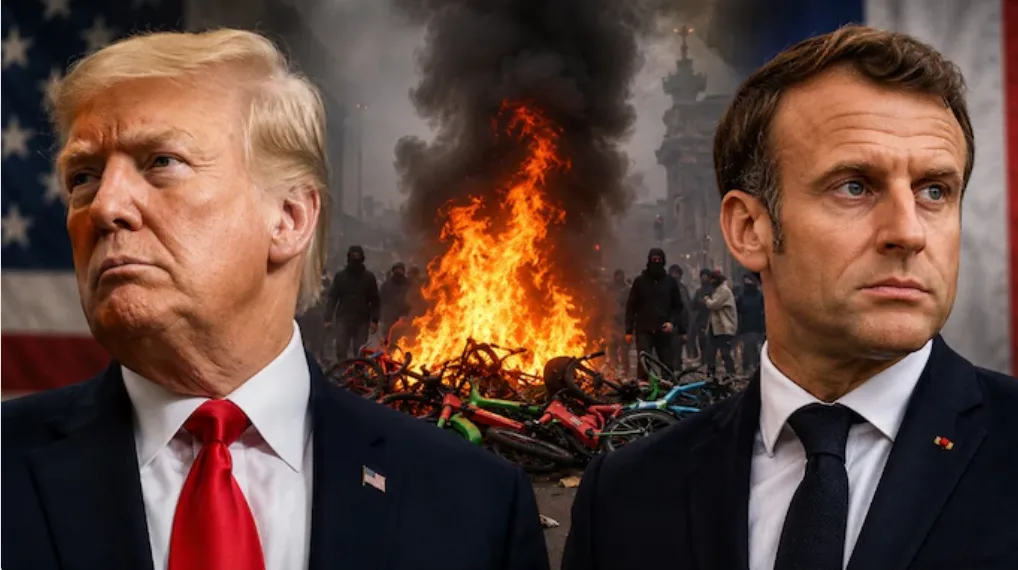
Macron rejects Trump’s immigration claims over France riots
French President Emmanuel Macron criticised Donald Trump and other foreign leaders over their comments on France’s recent unrest. Macron rejected claims that the country was being overrun by migrants and Islamists, calling such assertions false.
Latest world news
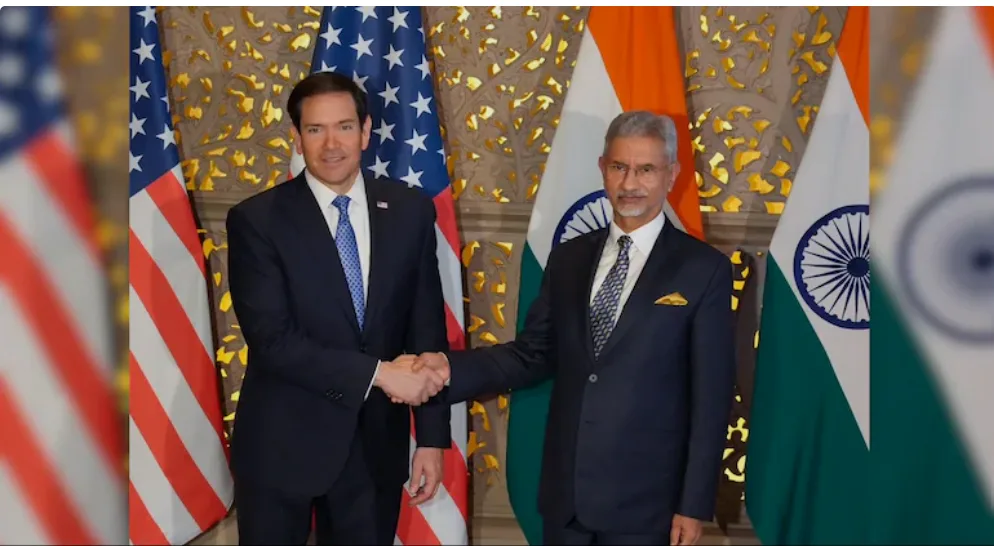
Marco Rubio says India and US share extraordinary alignment on key issues
US Secretary of State Marco Rubio said India and the United States share an extraordinary alignment on core issues, even though disagreements between the two countries may arise.

Punjab strike hits public services as 3 lakh employees and roadways workers protest

Two election commissioners complained against senior poll officer, RTI reveals

Om Prakash Mathur sworn in as Keralam Governor

PM Modi to inaugurate Rs 169-crore RBI data centre in Odisha on October 25

Delhi High Court rejects Neha Bora’s plea against peace bond notice

MEA responds after ITBP chief flags ongoing face-offs with China in Arunachal
Delhi High Court rejects Neha Bora’s plea against peace bond notice
PM Modi to inaugurate Rs 169-crore RBI data centre in Odisha on October 25
Om Prakash Mathur sworn in as Keralam Governor
Two election commissioners complained against senior poll officer, RTI reveals

Afghan Men Try To Hang With The Jet Engine Of The Aircraft in Kabul- Afghanistan News – Kabul News
Trending Top 10 News: 10000 Crore Fine on Flipkart, Apple to Launch Unique Feature, Hdfc Bank Job Ad

Trending Top 10 News: Nokia 6310, Apple sales, Bachpan ka Pyar Video Kid, Dainik Bhaskar IT Raid

Trending Top 10 News: Canada bans Indian flights, Rain in Delhi NCR, AIMIM Twitter hacked, Raj Kundra case

Trending Top 10 News: Shein India, Apple New Service, Pocket Oxygen, Oppo Launched New Phone
-
 India News17 hours ago
Punjab strike hits public services as 3 lakh employees and roadways workers protest
-
 India News17 hours ago
Two election commissioners complained against senior poll officer, RTI reveals
-
 India News6 hours ago
Om Prakash Mathur sworn in as Keralam Governor
-
 India News6 hours ago
PM Modi to inaugurate Rs 169-crore RBI data centre in Odisha on October 25
-
 India News4 hours ago
Delhi High Court rejects Neha Bora’s plea against peace bond notice
-
 India News4 hours ago
MEA responds after ITBP chief flags ongoing face-offs with China in Arunachal
