
Latest world news
Us-turkey military impasse critical in syrian town manbij


[vc_row][vc_column][vc_column_text]Syrian dialogue congress meeting underway in sochi, russia
The ongoing military impasse between us and turkey caused due to present fragile situation in syria has taken serious turn during last 24 hours. Us top defence official has insisted for keeping his forces in manbij town in northern syria while turkey has been demanding their withdrawal enabling ankara to push syrian kurdish fighters from the area.
According to cnn, gen. Joseph votel, commander of the united states central command, has said that us will not withdraw from manbij. He was quoted saying that withdrawing us forces from manbij is “not something we are looking into.”
He was reacting to turkish foreign minister mevlut cavusoglu, who, on saturday, announced ankara’s plan to push syrian kurdish fighters associated with kurdish people’s protection unit (ypg) and called on us to withdraw its military personnel from northern syrian town of manbij.
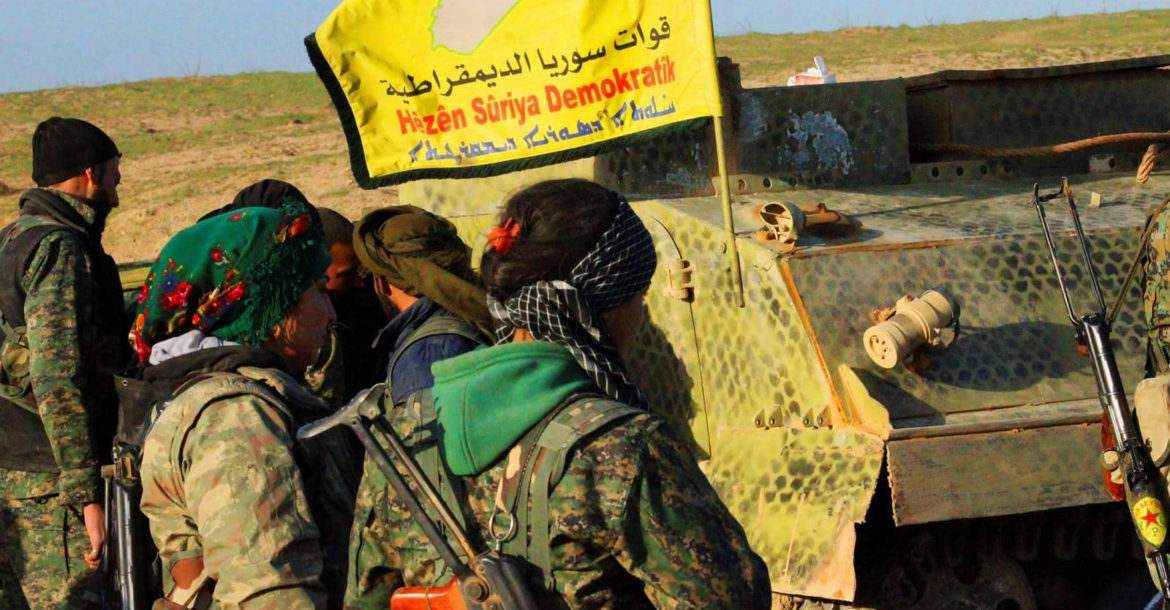 According to hurriyet daily, turkish top diplomat told journalists in mediterranean province antalya that it was “necessary for them [us] to immediately withdraw from manbij” as well as take “more concrete steps rather than words” to end its support for the syrian kurdish people’s protection units (ypg) armed group.
He further said, “the us must cut ties with the terrorist organisation”. Us national security advisor hr mcmaster assured ankara in a phone call on friday that washington would no longer give weapons to ypg.
Turkey considers ypg, the military wing of syrian kurdish democratic union party (pyd) as an offshoot of turkey based designated terror group kurdistan workers” party (pkk). Ankara believes that pushing ypg away from northern syria is necessary for its national security.
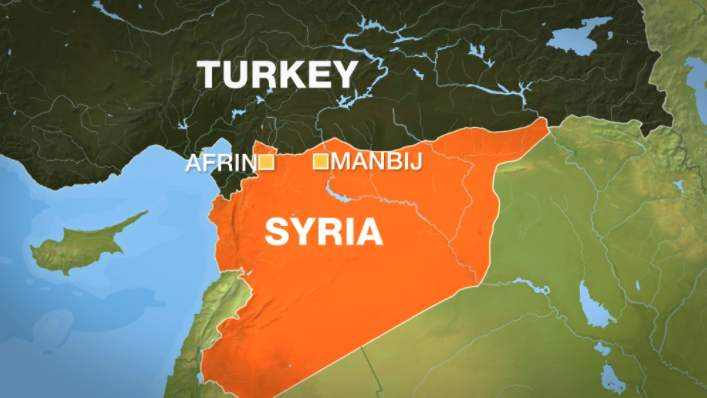
The current military impasse between us and turkey in northern syrian town of manbij may invite risk for us troops. Manbij has emerged as a key flashpoint town located northeast of aleppo and around 40 km south of jarabulus, on the syrian-turkish border.
A week ago, turkey had launched a ground operation across the syrian border in an attempt to drive us-allied kurdish militia from the area. The military incursion has raised tensions between turkey and us, which allegedly support and openly arm kurdish militias. Us claim that its help is aimed to defeat daesh (is) terrorist group.
 Several countries in the region including syria, iraq, iran and lebanon do not subscribe washington’s excuse. On different occasions some of these countries have alleged that us, israel, turkey, saudi arabia, jordan and qatar were supporting daesh (is) and other terror groups in the region.
Most of daesh terrorists used to land in istanbul and travel into syria and iraq. Erdogan’s son was heading the oil smugglers cartel sucking the liquid gold from syria and iraq. The tankers carrying oil were hit by russian jets on syria-trukey border on several occasions.
On friday last, president recep tayyip erdogan said that turkish forces would sweep kurdish fighters from syrian border and could push all the way east to the frontier with iraq.
On january 21, turkey had launched air and ground offensive against kurdish controlled enclave of afrin inside syria and carried air raids on the positions held by the syrian kurdish pyd and ypg groups.
On thursday last Donald Trump’s administration faced embarrassing situation when turkey denied the facts announced by white house about telephonic conversation between the leaders of the two countries.
Meanwhile, syrian national dialogue congress began its two day proceedings in russia’s black sea resort city sochi on monday. Syria’s tomorrow group based in cairo confirmed its participation after its political bureau meeting held on january 27-28.
The un special envoy for syria staffan de mistura is attending the congress having participation of nearly 1500 delegates from across the syrian political landscape.[/vc_column_text][/vc_column][/vc_row]







Latest world news
Magnitude 7 earthquake strikes Tibet after floods
A magnitude 7 earthquake struck northern Tibet on Thursday, October 22. The tremor came weeks after deadly flash floods and landslides hit the mountainous region near the Nepal-China border. Initial reports did not confirm casualties or damage from the earthquake.


Latest world news
Macron rejects Trump’s immigration claims over France riots
French President Emmanuel Macron criticised Donald Trump and other foreign leaders over their comments on France’s recent unrest. Macron rejected claims that the country was being overrun by migrants and Islamists, calling such assertions false.

Latest world news
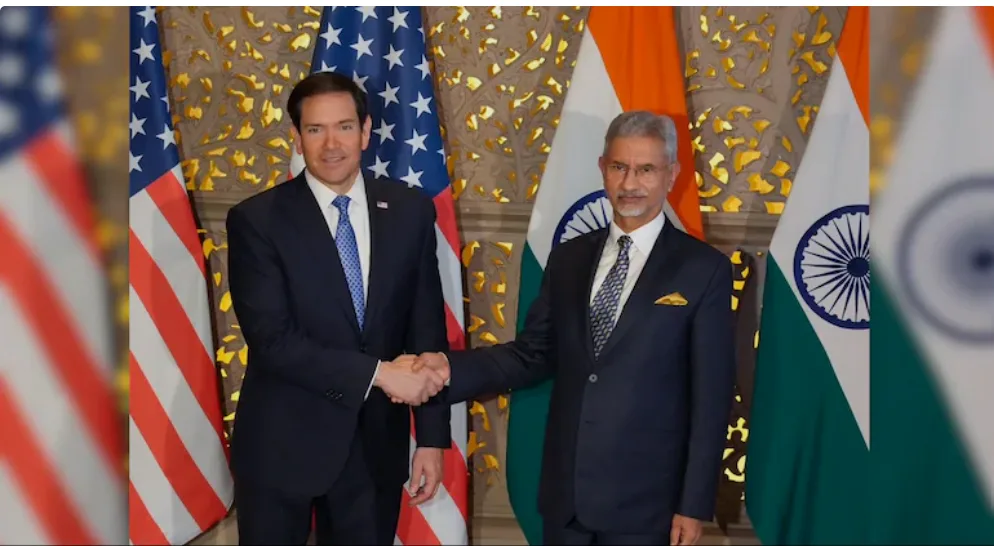
Marco Rubio says India and US share extraordinary alignment on key issues
US Secretary of State Marco Rubio said India and the United States share an extraordinary alignment on core issues, even though disagreements between the two countries may arise.

Magnitude 7 earthquake strikes Tibet after floods

Yogi Government cites Rs.15,233 crore seizures in UP gangster crackdown

PM Modi attacks Rahul Gandhi with failed product jibe

Amit Shah says congress won’t return to power for 30 years

Punjab strike hits public services as 3 lakh employees and roadways workers protest

Two election commissioners complained against senior poll officer, RTI reveals
Punjab strike hits public services as 3 lakh employees and roadways workers protest
Amit Shah says congress won’t return to power for 30 years
Magnitude 7 earthquake strikes Tibet after floods
PM Modi attacks Rahul Gandhi with failed product jibe

Afghan Men Try To Hang With The Jet Engine Of The Aircraft in Kabul- Afghanistan News – Kabul News
Trending Top 10 News: 10000 Crore Fine on Flipkart, Apple to Launch Unique Feature, Hdfc Bank Job Ad

Trending Top 10 News: Nokia 6310, Apple sales, Bachpan ka Pyar Video Kid, Dainik Bhaskar IT Raid

Trending Top 10 News: Canada bans Indian flights, Rain in Delhi NCR, AIMIM Twitter hacked, Raj Kundra case

Trending Top 10 News: Shein India, Apple New Service, Pocket Oxygen, Oppo Launched New Phone
-
 Latest world news20 hours ago
Magnitude 7 earthquake strikes Tibet after floods
-
 India News24 hours ago
Yogi Government cites Rs.15,233 crore seizures in UP gangster crackdown
-
 India News20 hours ago
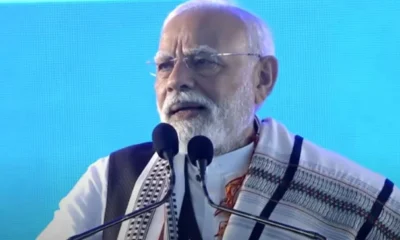
PM Modi attacks Rahul Gandhi with failed product jibe
-
 India News20 hours ago
Amit Shah says congress won’t return to power for 30 years
-
 India News9 hours ago
Punjab strike hits public services as 3 lakh employees and roadways workers protest
-
 India News8 hours ago
Two election commissioners complained against senior poll officer, RTI reveals
