
India News
Violence against BHU students: Adityanath pins blame on “anti-social elements”

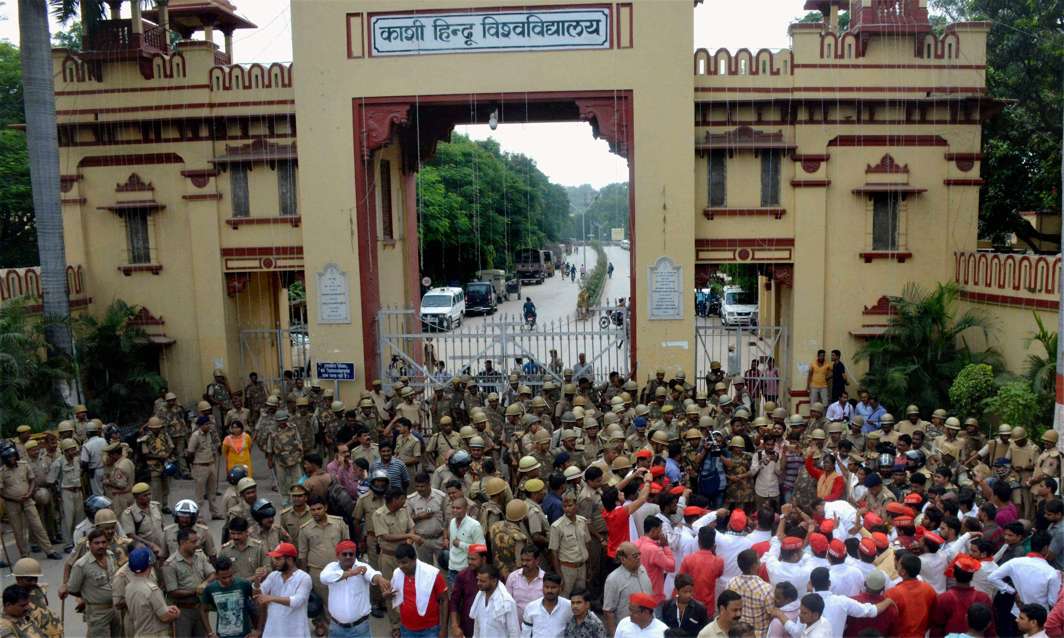
[vc_row][vc_column][vc_column_text]Students continue protest demanding VC Tripathi’s resignation, MK Singh appointed new chief proctor after ON Singh resigns taking moral responsibility
Uttar Pradesh Chief Minister Yogi Adityanath, on Wednesday, said the recent protests by students of Banaras Hindu University smacked of a “conspiracy” as prima facie reports suggest the role of anti-social elements in vitiating the atmosphere of the historic establishment.
Adityanath’s comments came at a time when his government and the BHU administration have been drawing flak for the recent incident in which the varsity’s students – a majority of them girls – were mercilessly lathi-charged by the police while they were peacefully protesting against the university’s gender-discriminatory rules and practices and seeking more security for girl students.
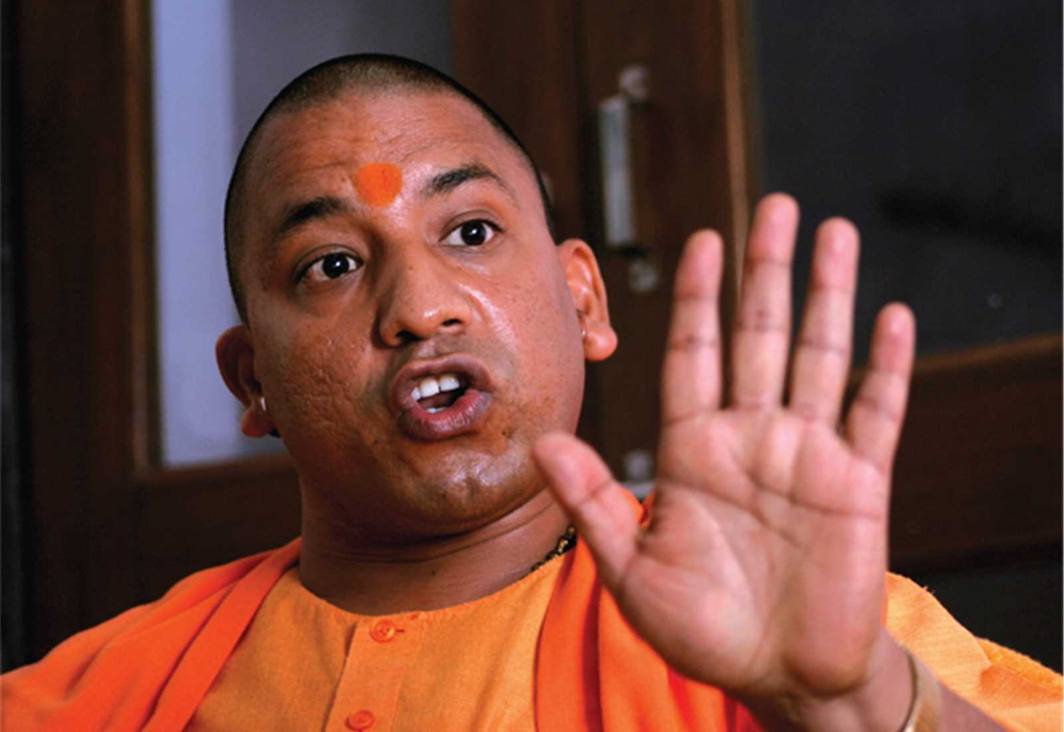
Adityanath said that the BHU administration has been asked to “get to the bottom of the issue and clearly told not to harass any student”. However, the UP Chief Minister Yogi Adityanath maintained a deafening silence on whether his government would act against the BHU vice chancellor Girish Chandra Tripathi, who continues to defend the varsity’s appalling treatment of its girl students and had famously suggested that the incident in which one girl was allegedly sexually harassed was actually a case of “simple eve teasing”.
A number of students, including women, and two journalists were injured in the lathi-charge by the police in BHU on Saturday night. An inquiry has been ordered into the violence on the campus.
“The report (on BHU incidents) has been received and administration has been clearly told not to harass any student but get to the bottom of this issue and find details of anti- social elements who vitiated the atmosphere (in the university) in the garb of students,” Adityanath told reporters in his pocketborough of Gorakhpur.
The chief minister said those involved in “spreading anarchy” on the campus will not be spared at any cost but sought to suggest that the students and not the BHU administration will be in his line of fire. “Prima facie investigation suggests it is a conspiracy by anti-social elements”, Adityanath added.
The Chief Minister said the proctorial board of the university should have taken timely measures to ensure that the trouble did not escalate.
“Those indulging in arson and disorder should be dealt with sternly… all universities in the state have been told to hold dialogue with students (to prevent any such situation elsewhere),” Adityanath said while insisting that better communication between students and vice chancellors of central universities would prevent such incidents from happening in the future.
The chief minister, however, kept quiet in the fact that the BHU VC himself had been placed in the dock by the varsity’s students for not only discriminating between male and female students but also condoning the gender-discriminatory practices prevalent in the university.
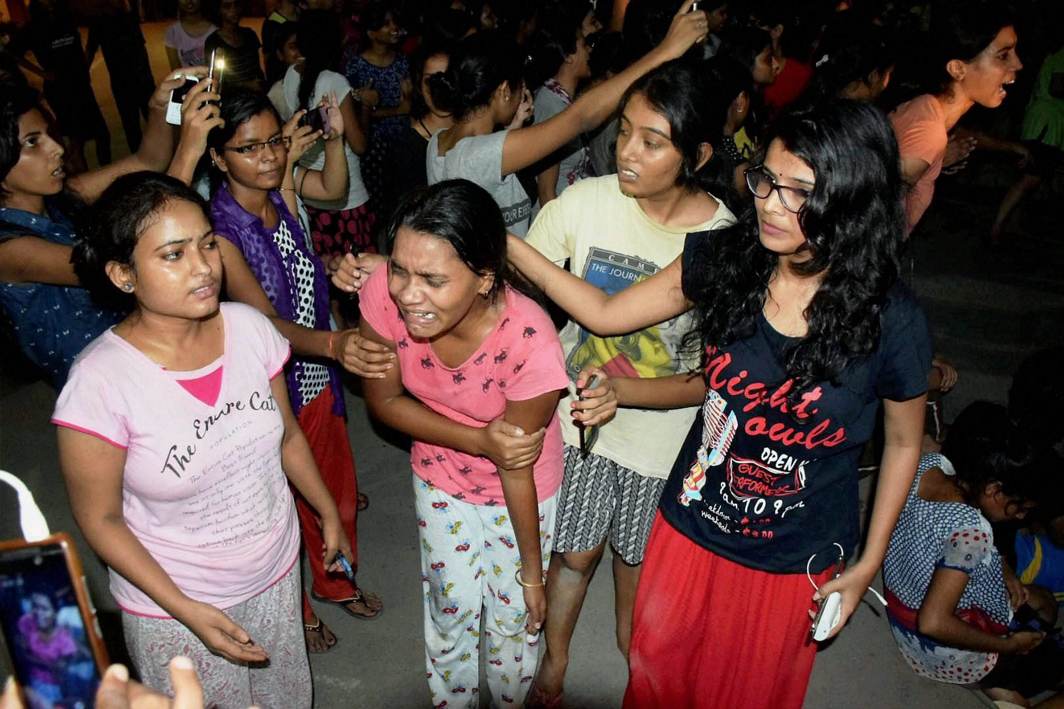
Meanwhile, Mahendra Kumar Singh was appointed as the new Chief Proctor of Banaras Hindu University, on Wednesday, taking over the role from Onkar Nath Singh who resigned from the post a day earlier taking “moral responsibility” for the recent incidents of alleged molestation of a student and violence on the campus.
While the administration has targeted the university for not taking up student issues, the varsity faculty also questioned the alleged forced entry of police into hostels and beating of staff members and students on Saturday night.
An internal four-page report by the former chief proctor and vice-chancellor Tripathi had called the alleged act of molestation an incident of ‘eve-teasing.’ “The student was walking back to her hostel, on Thursday, evening when a few motorcycle-borne men came near her and touched her inappropriately,” the SHO of Lanka police station was quoted as saying by the Indian Express.
However, an acquaintance of the victim had this to say: “She was on her way to one of the hostels when the men sexually assaulted her. They pulled her hair and one of the men put his hand in her kurta, while another put his hand in her leggings. She fell and the men sped off.”
The District Magistrate has ordered a magisterial inquiry into the matter. A judicial inquiry under a retired high court judge has also been ordered by vice chancellor Tripathi. The alleged molestation of the girl student is also being investigated by the police.
Onkar Nath Singh has indicated that he was forced to take the fall for the recent incidents that have rocked the varsity and captured national attention but said that it was “for people to see and decide” whether it is he or other high-ranking officials (an indication towards VC Tripathi) who are to blame.[/vc_column_text][/vc_column][/vc_row]





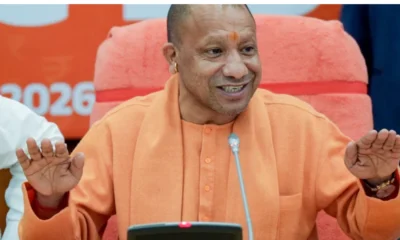



India News
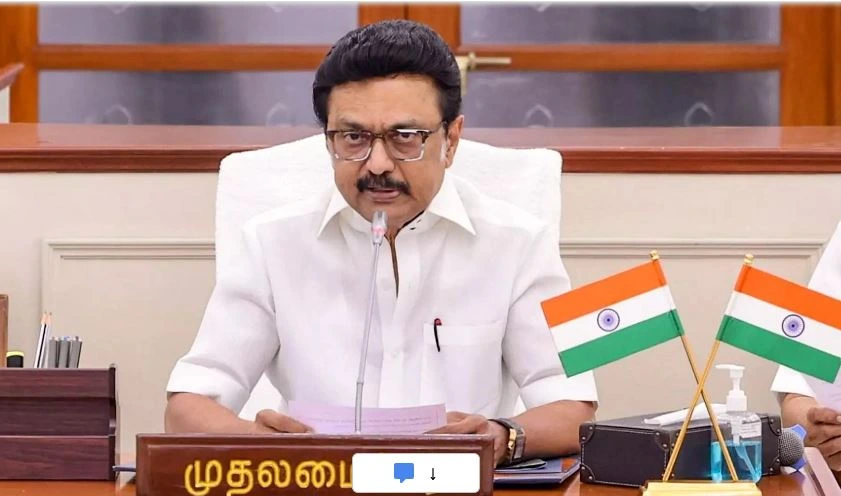
MK Stalin attacks Vijay government over hindi signboard in Tamil Nadu
MK Stalin criticised the Tamil Nadu government over Hindi lettering on a State Highway signboard and warned the Vijay-led administration against interfering with the state’s two-language policy.

India News
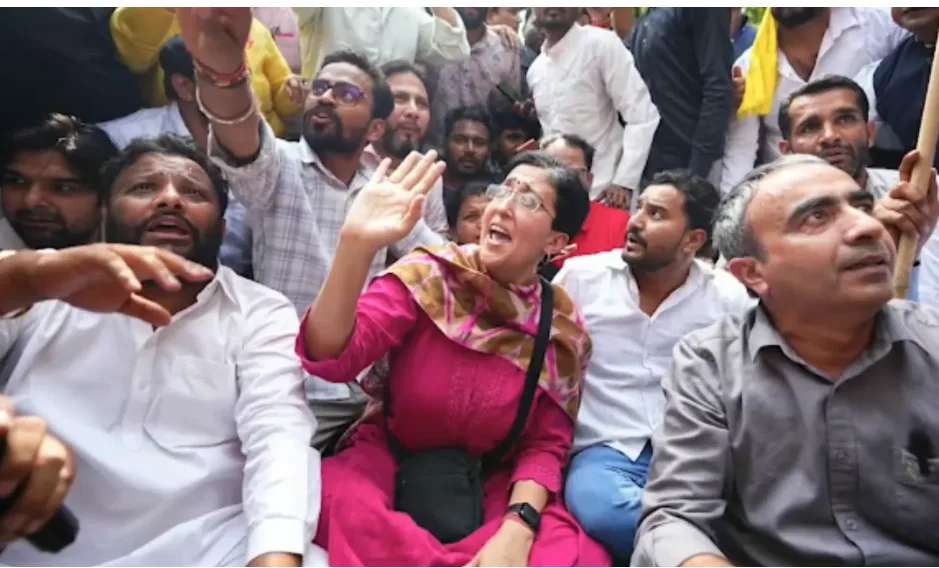
700 detained as Delhi, Mumbai see protests against Gyanesh Kumar
More than 700 protesters were detained in Delhi during demonstrations demanding Chief Election Commissioner Gyanesh Kumar’s resignation, while thousands gathered for a separate protest in Mumbai.
India News
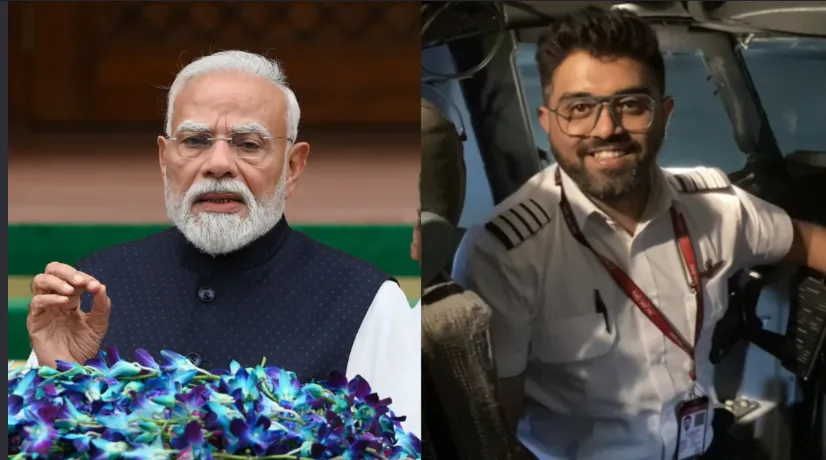
Couldn’t let passengers die: Smit Machchhar speaks to PM Modi after Flydubai attack
Captain Smit Machchhar spoke to PM Modi after being injured during an alleged co-pilot attack on a flydubai flight.

PM Modi pays tribute to Mahatma Gandhi at Rajghat on Gandhi Jayanti

EC orders special drive for voters left out after SIR in 20 states

Putin praises PM Modi, says he has very good ideas on Ukraine war

Couldn’t let passengers die: Smit Machchhar speaks to PM Modi after Flydubai attack

MK Stalin attacks Vijay government over hindi signboard in Tamil Nadu
MK Stalin attacks Vijay government over hindi signboard in Tamil Nadu

700 detained as Delhi, Mumbai see protests against Gyanesh Kumar
Couldn’t let passengers die: Smit Machchhar speaks to PM Modi after Flydubai attack
EC orders special drive for voters left out after SIR in 20 states
Putin praises PM Modi, says he has very good ideas on Ukraine war

Afghan Men Try To Hang With The Jet Engine Of The Aircraft in Kabul- Afghanistan News – Kabul News
Trending Top 10 News: 10000 Crore Fine on Flipkart, Apple to Launch Unique Feature, Hdfc Bank Job Ad

Trending Top 10 News: Nokia 6310, Apple sales, Bachpan ka Pyar Video Kid, Dainik Bhaskar IT Raid

Trending Top 10 News: Canada bans Indian flights, Rain in Delhi NCR, AIMIM Twitter hacked, Raj Kundra case

Trending Top 10 News: Shein India, Apple New Service, Pocket Oxygen, Oppo Launched New Phone
-
 India News24 hours ago
PM Modi pays tribute to Mahatma Gandhi at Rajghat on Gandhi Jayanti
-
 India News23 hours ago
EC orders special drive for voters left out after SIR in 20 states
-
Latest world news24 hours ago
Putin praises PM Modi, says he has very good ideas on Ukraine war
-
 India News20 hours ago
Couldn’t let passengers die: Smit Machchhar speaks to PM Modi after Flydubai attack
-
 India News12 hours ago
MK Stalin attacks Vijay government over hindi signboard in Tamil Nadu
-
 India News13 hours ago
700 detained as Delhi, Mumbai see protests against Gyanesh Kumar
