English हिन्दी
Connect with us

Top Stories

Will Trump destroy Iran as he said he would?

Trump’s stark warning on Iran sparks global concern as Tehran responds sharply and ceasefire efforts struggle.

Published

on

Donald Trump statement

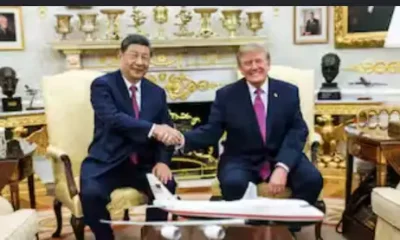
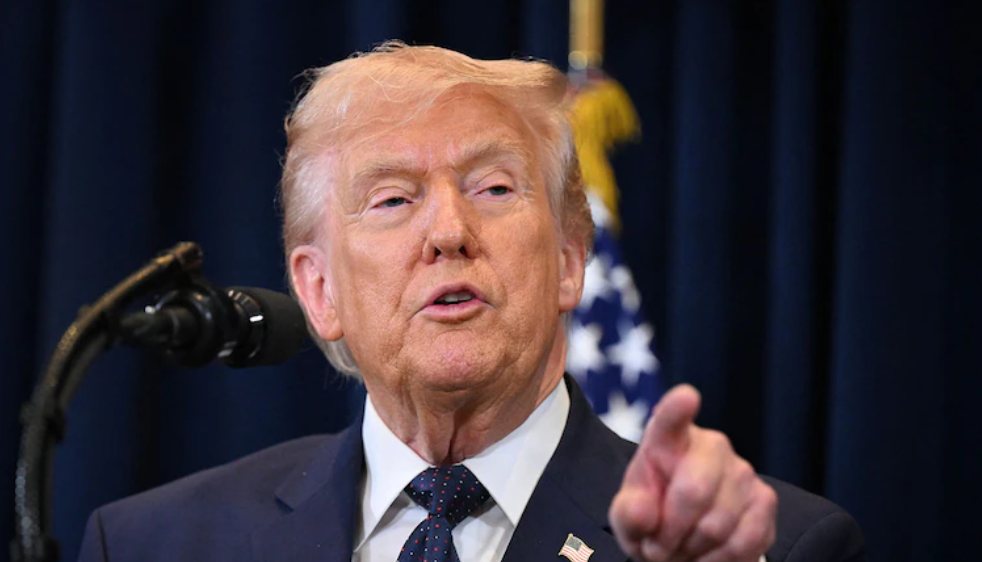
US President Donald Trump has sparked global concern after issuing a dramatic warning about Iran, claiming that “a whole civilisation will die tonight” in a post on Truth Social.

In his statement, Trump said he did not want such an outcome but suggested it was increasingly likely. He described the moment as potentially one of the most significant in world history, referring to decades of conflict and tensions involving Iran.
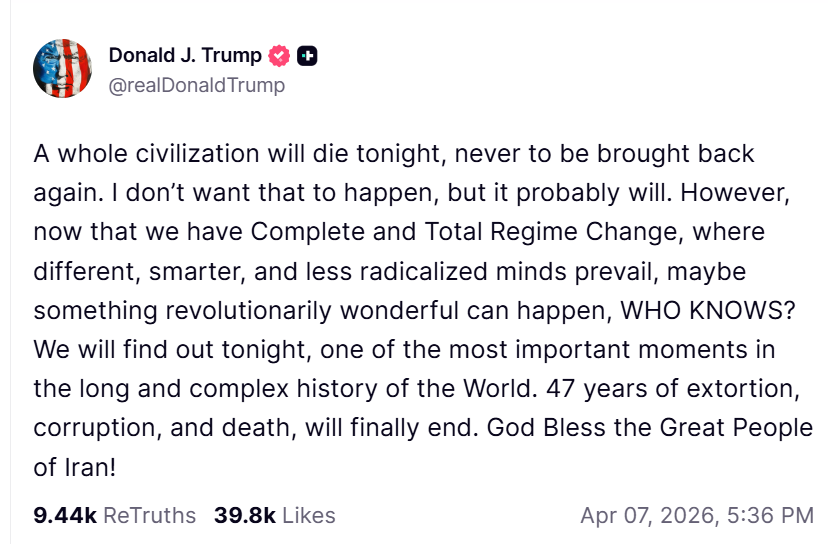
Despite the stark tone, Trump also hinted at a possible diplomatic breakthrough, saying that “maybe something revolutionarily wonderful can happen,” leaving the door open for de-escalation.

Ceasefire efforts show little progress

Amid the escalating rhetoric, diplomatic efforts appear to be struggling. Reports indicate that US and regional mediators have been attempting to broker a 45-day ceasefire that could pave the way for a more permanent resolution. However, officials have acknowledged that meaningful progress remains limited.

US Vice President JD Vance has stated that Washington has already achieved its key objectives in the conflict, suggesting that the next move now lies with Tehran.

Iran responds with strong words

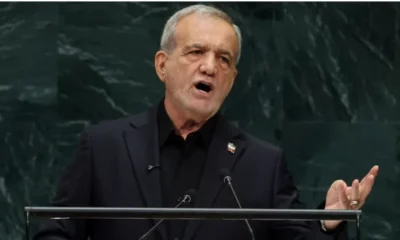
Iran responded sharply to Trump’s remarks, warning of severe consequences. The Iranian Embassy in Turkiye issued a statement on social media, dismissing the warning as the words of a “psychopath” and asserting the resilience of Iran’s civilisation.

The statement referenced historical invasions, including those by Alexander the Great and the Mongols, to emphasise Iran’s endurance over centuries.

Concerns over escalation and international law

Trump has also indicated that he is unconcerned about potential accusations of war crimes, reiterating threats to target Iranian infrastructure if demands are not met. This has drawn criticism from global leaders.

UN Secretary-General António Guterres warned that attacks on civilian infrastructure would violate international law, urging restraint.

Iran, meanwhile, has rejected calls for a temporary ceasefire, insisting instead on a complete end to the conflict.

Reports of strikes and rising tensions

Explosions have been reported on Kharg Island, a key Iranian oil export hub near the Strait of Hormuz, further intensifying concerns about a broader conflict. Reports suggest that US forces may have conducted strikes on military targets in the area.

Trump has warned that failure to comply with US demands could lead to large-scale military action targeting critical infrastructure, including power plants and bridges
India News

Fuel prices may fall if crude stays low for 2-3 months, says Hardeep Puri

Hardeep Singh Puri says petrol and diesel prices may be reviewed if crude oil prices remain low for another two to three months, as oil companies are currently refining costly crude purchased during the West Asia conflict.

Published

on

Hardeep singh puri

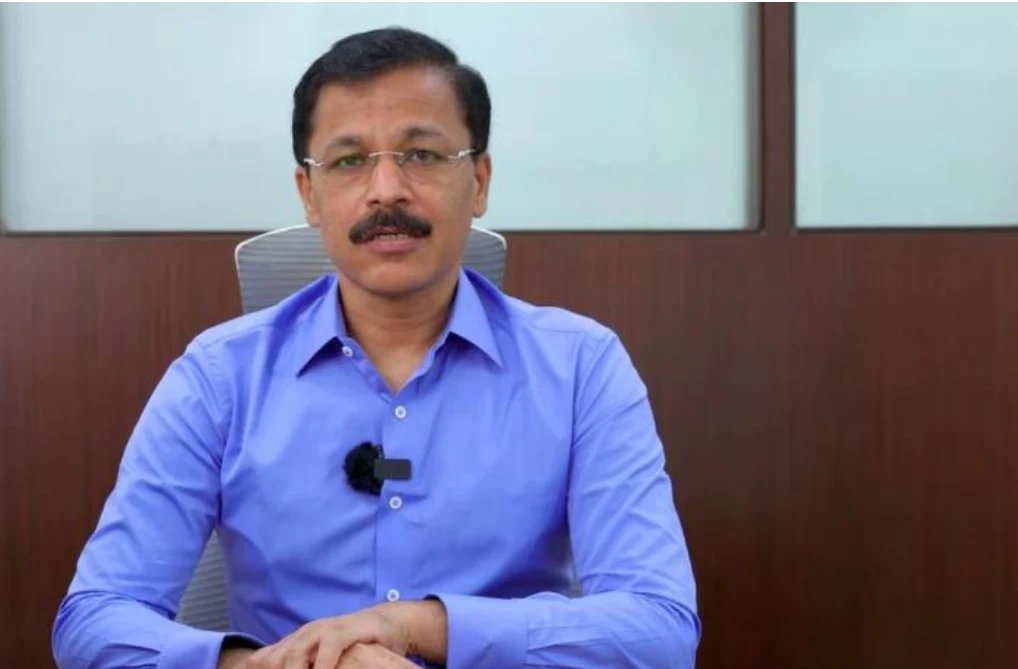
Consumers hoping for cheaper petrol and diesel may have to wait a little longer, with Union Petroleum Minister Hardeep Singh Puri indicating that any reduction in fuel prices will depend on whether international crude oil prices remain low over the next two to three months.

The minister said oil marketing companies (OMCs) are currently processing crude oil purchased during the peak of the West Asia conflict, when global prices were significantly higher. As a result, the recent decline in crude oil prices has not yet translated into lower retail fuel prices.

Price cut depends on sustained decline in crude oil

Speaking to reporters on Thursday, Puri said a discussion on reducing petrol and diesel prices would become relevant only if global crude prices continue to remain at lower levels for a sustained period.

He explained that the crude oil being refined today was largely purchased around two months ago, when prices were elevated due to geopolitical tensions. Since oil companies procure crude well in advance, the impact of lower international prices is reflected only after a delay.

According to the minister, if the current trend of softer crude prices continues for another two to three months, the situation could be reviewed. However, he described any immediate expectation of a fuel price reduction as hypothetical.

Oil companies absorbed massive losses during West Asia conflict

Puri said state-run oil marketing companies collectively incurred losses of Rs 74,781 crore up to June 30 after selling petrol, diesel and LPG below their actual cost during the period of high crude oil prices triggered by the West Asia conflict.

Despite the sharp rise in global crude prices, he said India kept domestic fuel price increases relatively limited compared to several other countries.

The minister noted that while petrol prices increased by nearly 20 per cent in many developed nations and around 35 per cent in neighbouring countries, the increase in India was restricted to about 5.58 per cent during the crisis period.

He also highlighted that fuel supplies remained uninterrupted across more than 1.07 lakh retail fuel outlets between late February and the end of June.

Nayara Energy cuts fuel prices

Private fuel retailer Nayara Energy reduced petrol prices by Rs 5 per litre and diesel prices by Rs 3 per litre across its retail network from July 1, becoming the first major retailer to announce a price cut after international crude prices eased.

However, Puri clarified that Nayara’s decision should not be viewed as a broader trend across the sector. He said the company had earlier raised petrol prices by Rs 5 per litre during the crude price surge and has now effectively rolled back that increase.

In contrast, state-run oil marketing companies had not increased retail fuel prices during the crisis, leaving them with little room for a similar rollback.

Why lower crude prices haven’t reached consumers yet

Global crude oil prices had crossed 110 US dollars per barrel during the Iran-related conflict, significantly increasing procurement costs for Indian refiners.

Prices started easing only in the second half of June after an agreement helped de-escalate the conflict. Since crude oil is generally purchased at least two months before it is refined into petrol and diesel, the fuel currently being supplied is based on earlier, more expensive purchases.

As a result, consumers may have to wait before any sustained decline in international crude oil prices is reflected at fuel stations.

Continue Reading

India News

Digvijaya Singh’s remarks trigger sleeper cell controversy in Madhya Pradesh Congress

A disagreement over allegations related to the Ujjain land allotment triggered a political storm within the Madhya Pradesh Congress, prompting senior leaders to publicly reaffirm party unity.

Published

on

Digvijay Singh

The Madhya Pradesh Congress has found itself dealing with internal differences after senior party leaders made contrasting statements over allegations related to the allotment of government land in Ujjain. What began as an attack on the BJP-led Mohan Yadav government soon developed into a political controversy within the opposition party.

The issue centres on allegations that government land in Ujjain, reportedly valued at nearly Rs. 500 crore, was allotted to Veer Bharat Nyas for a nominal amount of Re 1.

Earlier, Madhya Pradesh Congress president Jitu Patwari and the party’s media department chairman Pawan Khera alleged that the land had been allotted at a token price to the trust. Patwari questioned the decision, pointing out that one of the trustees, Shriram Tiwari, serves as the Chief Minister’s cultural adviser.

Digvijaya Singh disputes key allegation

Former Chief Minister Digvijaya Singh later presented a different interpretation during a press interaction in Ujjain. Referring to documents in his possession, Singh said the trust was not a private organisation but a government trust headed by the Chief Minister in an ex officio capacity.

He maintained that the land had not been transferred to a private trust and said he does not comment on public issues without thoroughly examining the available documents.

Singh also remarked that there was no shortage of “dalals” who make false allegations for personal gain. Although he later clarified that the remark was not directed at Jitu Patwari or any Congress leader, the statement fuelled speculation about differences within the state unit.

Internal debate intensifies during party meeting

The issue reportedly featured prominently during the Congress Political Affairs Committee meeting in Bhopal, where several leaders discussed the differing public positions taken by Singh and Patwari.

MLA Arif Masood acknowledged that the differing statements were discussed, saying internal discussions were aimed at strengthening the party.

Former minister Sajjan Singh Verma said those responsible for creating confusion had been identified and appropriate action would follow. Former MLA Praveen Pathak reportedly questioned how party workers should respond to the public when senior leaders were presenting different versions of the issue.

Former Leader of Opposition Dr Govind Singh dismissed suggestions of “sleeper cells” within the Congress, saying that a large democratic organisation naturally allows members to express differing views.

Congress leaders and BJP trade barbs

The controversy escalated further after Madhya Pradesh Congress general secretary Nidhi Satyavrat Chaturvedi criticised Digvijaya Singh in a social media post. She accused the veteran leader of undermining party discipline and alleged that his actions were influenced by his desire to see his son, Jaivardhan Singh, become the state Congress president.

The BJP quickly targeted the Congress over the episode. State Sports Minister Vishvas Sarang claimed the developments reinforced the BJP’s long-standing allegation that the Congress levels accusations without sufficient evidence. He also said the party’s internal divisions had become visible in public.

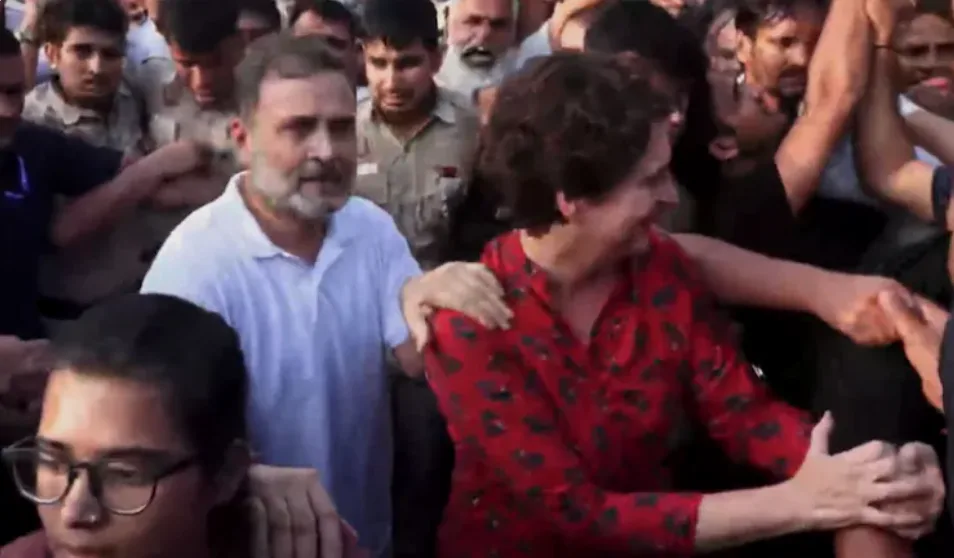
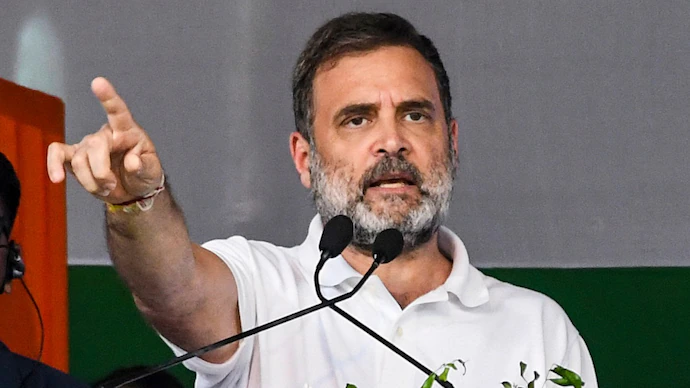
Former Union minister Arun Yadav appealed to Congress leader Rahul Gandhi and the party’s central leadership to intervene and strengthen organisational unity in Madhya Pradesh. In a post on X, he stressed the importance of combining the experience of senior leaders with the energy of younger workers to effectively challenge the BJP.

Congress projects unity after controversy

Amid the growing debate, Leader of Opposition Umang Singhar met Digvijaya Singh at his residence. The meeting came as discussions over the controversy continued within the party and on social media.

Later, Digvijaya Singh and Jitu Patwari jointly addressed the media, asserting that the Congress remained united in its campaign against the alleged corruption of the Mohan Yadav government. They said complaints related to land transactions involving the Chief Minister and his family were being examined by the party and that the opposition would continue its campaign collectively.

Singh also clarified that his earlier “dalal” remark had been misunderstood. He said Patwari was like a son to him and reiterated that he would never use such language for any Congress leader, including the state party president.

Continue Reading

India News

Ram Temple donation theft: Champat Rai blames former aide Tinnu Yadav, say sources

Sources claim former Ram Temple Trust functionary Champat Rai has blamed his former aide Tinnu Yadav for the alleged donation theft as investigators examine cash recoveries, a viral photograph and other evidence.

Published

on

Ram Mandir

The investigation into the alleged Ram Temple donation theft has taken a fresh turn, with sources claiming that former Ram Temple Trust functionary Champat Rai has blamed his former aide and driver, Ramshankar Yadav alias Tinnu Yadav, for the alleged fraud.

According to sources, Rai has told people close to him that Tinnu Yadav was the central figure in the alleged embezzlement of temple offerings. He is also said to have claimed that Yadav took advantage of the trust placed in him to carry out the alleged fraud.

Sources further alleged that Rai believes Yadav leaked information to a Samajwadi Party leader when he sensed that the alleged wrongdoing was about to be exposed. However, there has been no official confirmation of this claim.

Police continue investigation into donation theft

Tinnu Yadav is among the eight people arrested in connection with the case. The other accused are Avinash Shukla, Anukalp Mishra, Lav Kush Mishra, Manish Kumar Yadav, Karunesh Pandey, Ramashankar Mishra and Subhash Srivastava.

Police have also recorded Champat Rai’s statement as part of the investigation. According to sources, investigators sought information and documents related to the alleged misappropriation of temple donations. Authorities have not disclosed when or where the questioning took place or how long it lasted.

Rai resigned as the general secretary of the Ram Temple Trust on June 27 after the donation theft case came to light. Trustee Anil Mishra also stepped down on the same day.

A few days ago, Ayodhya Police visited the residences of all the accused as part of the investigation. During these searches, cash was reportedly recovered from Tinnu Yadav’s residence.

Probe focuses on counting room access

According to the investigation, Tinnu Yadav was responsible for supervising the movement of devotees’ donations from the temple collection boxes to the basement, where the money was counted.

Sources said the probe has found that one key to the counting room was with Tinnu Yadav, while the second key was held by bank personnel. Investigators suspect that funds were siphoned off through alleged collusion with certain bank employees, with the accused allegedly sharing the proceeds. These allegations remain under investigation.

Viral photograph also under scrutiny

Police are also examining a photograph circulating on social media that allegedly shows Amit Shukla, the brother of accused Avinash Shukla, holding bundles of currency notes.

According to sources, the image is claimed to have been taken in August last year. Investigators are expected to verify its authenticity and may question Amit Shukla as part of the probe.

Police have said that the largest cash recovery in the case—₹89 lakh—was made based on information allegedly provided by accused Avinash Shukla. Additional cash was also recovered from a hideout in Kaushalpuri that police linked to him.

Cash allegedly recovered from yoga centre

According to the investigation, police also searched a yoga centre associated with Avinash Shukla’s brother, Abhishek.

The woman operating the yoga centre told media that police conducted a raid on June 5 and recovered a substantial amount of cash from boxes kept at the premises. She claimed the boxes belonged to Abhishek and that the cash was concealed inside blankets. One of the boxes reportedly bore the inscription “Ram Rajya Kosh”.

She further alleged that when questioned about the raid, Abhishek claimed that his brother Avinash Shukla was involved in the drug trade and that this was the reason behind the police action. This claim has not been independently verified, and investigators have not officially confirmed it.

Continue Reading

Trending

© Copyright 2022 APNLIVE.com