English हिन्दी
Connect with us

Latest business news

Nothing cheerful in Q3 GDP figures

Published

on

While government data claims that GDP growth in the third quarter has stayed at 7%, a closer look at the figures brings to fore the adverse effects of demonetisation

[vc_row][vc_column][vc_column_text]7 per cent growth rate new bottom line

By Parsa Venkateshwar Rao Jr

It is surprising that anyone should be surprised, shocked, elated, satisfied that that Quarter 3 economic indicators have not really gone down, and therefore infer that the November 8, 2016 demonetisation has not had any negative impact on the economy. A closer look at the figures shows that the numbers reveal no good news.

First, Q3 figures are lower than those of Q1 andQ2 for 2016-17. At constant prices (2011-12), the growth rate for Q 1 was 7.2 per cent, for Q2 it was 7.4 per cent and for Q3 7 per cent. At current prices, the figures are: Q1 (10.8 per cent), Q2 (11.8 per cent), Q3 (10.6). The sense of relief seems to arise from the fact that it was not as bad as expected. But in absolute terms, there is a distinct slip in Q3 compared to Q2, and a little less when Q3 figure is juxtaposed with Q1. To infer from this that demonetisation has not dampened growth figures is permissible indulgence but it does not speak well for the economy.

There is also need to compare the figures with 2015-16. The revised growth rate for 2016-17 is projected to be 7.1 per cent, compared to 7.9 per cent for 2015-16. The new measure for growth rate, the Gross Value Added (GVA) figure at constant prices shows that the projected growth rate for 2016-17 will be 6.7 per cent compared to the GVA growth rate of 7.8 per cent in 2015-16. It can once again be argued that this has nothing to do with demonetisation.

The other crucial indicators also show that the economy is not really picking up, demonetisation or no demonetisation. The mining and quarrying sector is set to grow at a GVA of 1.3 per cent in 2016-17 compared to 12.3 per cent in 2015-16. In the manufacturing sector, the estimated GVA growth rate for 2016-17 is 7.7 per cent compared to the 2015-16 growth rate of 10.6 per cent. The wholesale price index (WPI) for manufactured has moved from the negative territory of – (1.3) per cent in April-December 2015-16 to 2.3 per cent in April-December 2016-17.

The only positive growth figures, apart from agriculture, are in electricity, gas, water supply and other utility services, where a 6.6 per cent growth rate is expected for 2016-17 compared to the 5.1 per cent growth rate figure for 2015-16.  The Index of Industrial Production (IIP) figure for electricity for April-December 2016-17 is 5.1 per cent compared to 4.5 per cent for April-December 2015-16.

Construction, one of the drivers of growth, is expected to grow at GVA rate of 3.1 per cent in 2016-17 compared to 2.8 per cent in 2015-16. Cement consumption during April-December 2016-17 has increased by 2.8 per cent, and steel consumption by 3.3 per cent. It can be seen that there is no great spurt in growth as such.

In the service sector, comprising trade, hotels, transport and communication as well as broadcasting, the GVA growth rate for 2016-17 is expected to be 7.3 per cent compared to 10.7 per cent in 2015-16. The figure of 10.7 per cent growth in the sales tax collection in the states’ accounts between April-December 2016-17 is neither here nor there.

Growth in financial, insurance, real estate and other professional services is estimated to grow at the GVA basic prices (2011-12) by 6.5 per cent compared to 10.8 per cent growth rate in 2015-16.

The only area where there has been a spurt in growth in government spending (public administration, defence and other services) where it is expected to grow at 11.2 per cent in 2016-17 compared to 6.9 per cent in 2015-16.

The difference in growth rates in Q3 of 2016-17 compared to Q3 of 2015-16, especially in case of Private Final Consumption Expenditure (PFCE) and Government Final Capital Formation (GFCF) for Q3 in 2015-16 and 2016-17, is interesting but not puzzling. The PFCE in Q3 of 2016-17 stood at 58.7 per cent compared to 57.1 per cent in 2015-16, and the GFCF for Q 3 in 2016-17 is 29.1 per cent and in Q3 of 2015-16 it stood at 30.0 per cent.

The expectation that the effects of demonetisation should have been conspicuously evident in the Q3 figures is slightly misplaced. Demonetisation came into effect on November 9, 2016 and as Q3 is concerned its effects till December 31, 2016 are to be measured. But remember that Q3 begins on October 1, 2016, and a lot of expenditure would have occurred in the festival month of October, and whatever the downward slide in the second half of Q3 will not be too visible. We need weekly measures between November 9 and December 31, 2016, to get a measure of the effects of demonetisation.[/vc_column_text][/vc_column][/vc_row]

Latest business news

Xbox announces 3,200 layoffs as Asha Sharma outlines major restructuring plan

Xbox has announced plans to lay off 3,200 employees over the next year while introducing a major restructuring programme that includes management changes, studio restructuring and cost-cutting measures.


Published

on

XBOX layoff

Xbox has announced plans to reduce its workforce by 3,200 employees, representing around 20 per cent of its total staff, over the coming year as part of a broader restructuring programme linked to Microsoft’s increased investment in artificial intelligence.

According to an email shared with employees by Asha Sharma, the company will begin the process immediately, with 1,600 employees leaving on Monday, while the remaining job reductions will take place during FY27. The company also plans to divest four gaming studios and is preparing to separate from another.

Business reset planned amid financial challenges

In her message to employees, Sharma said the company’s current financial position required significant changes, stating that Xbox’s business was operating at substantially lower margins than comparable platform and publishing companies.

She said the layoffs were not a reflection of employees’ commitment or abilities but were part of a wider effort to strengthen the company’s long-term business.

The workforce reduction comes as Microsoft continues implementing AI-focused cost-cutting measures across its operations. Overall, the technology company is reportedly cutting 4,800 jobs, with Xbox accounting for the largest share.

Sharma also described the gaming sector as experiencing one of its most challenging hardware periods and said the company needed to “reset Xbox” to improve its future performance.

Company to streamline operations and reduce management layers

As part of the restructuring strategy, Xbox plans to simplify its organisational structure, revise its content portfolio and improve platform operations.

According to Sharma, the company currently loses 64 cents for every dollar invested annually, making operational efficiency a key priority.

She said Xbox would increasingly support independent game creators by offering open development tools and broader audience access.

The restructuring will also see Mojang and King report directly to Sharma. She said both studios have evolved into major gaming platforms with large monthly active player bases and will play a central role in Xbox’s future strategy.

To improve decision-making, the company plans to significantly reduce its management hierarchy. Sharma said some departments currently have as many as 14 management layers, which slow down operations. Xbox aims to reduce this to no more than five layers, and in some cases, only three.

The company will also reduce vendor spending by 50 per cent as part of its cost-saving measures.

Helen Chiang promoted to Chief Operating Officer

Alongside the restructuring announcement, Sharma confirmed the promotion of Helen Chiang to the newly created position of Chief Operating Officer.

Chiang will oversee profit and loss responsibilities across Xbox’s content, hardware, platform and services divisions while reporting directly to Sharma.

According to Sharma, the new operating structure is intended to improve investment decisions, strengthen accountability and better integrate the company’s various business units.

Despite the ongoing restructuring and job cuts, Sharma said Xbox remains committed to long-term growth and plans to continue investing heavily in the business, while placing greater emphasis on disciplined spending and strategic priorities.

Continue Reading

India News

Bank holiday today: Are banks open or closed on June 29? Here’s what RBI calendar says

Banks in Himachal Pradesh and Mizoram will remain closed on June 29, 2026, due to regional holidays, while banking operations will continue normally in most other states.
Published

on

Bank Holidays

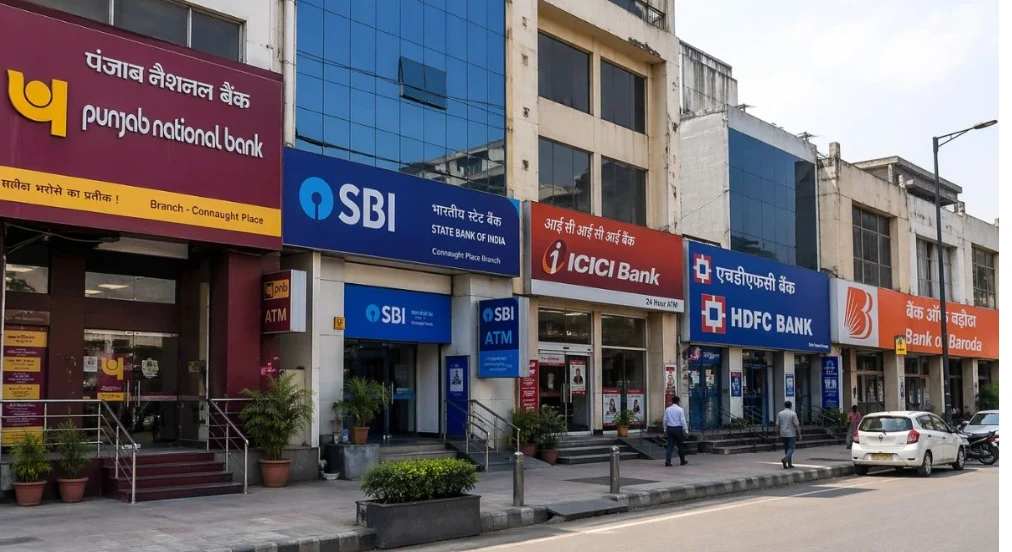
As June comes to an end, many customers are wondering whether banks across the country are open on June 29, 2026. According to the Reserve Bank of India’s (RBI) holiday calendar, bank operations will not be affected nationwide, but branches in some states will remain closed due to local holidays.

Banks closed in these states on June 29

Banks will remain shut in Himachal Pradesh on Monday, June 29, on account of Sant Guru Kabir Jayanti. In addition, bank branches in Mizoram will remain closed to observe Remna Ni, a regional public holiday.

However, bank branches in most other states and Union Territories are expected to function normally as June 29 is not a nationwide banking holiday.

Will online banking services remain available?

Even when physical branches remain closed, customers can continue using digital banking facilities. Services such as internet banking, mobile banking, UPI transactions, ATM withdrawals and cash deposits at ATMs will remain operational.

Customers planning to visit a bank branch are advised to check with their local branch beforehand, as holiday schedules may vary depending on the state and local observances.

Continue Reading

India News

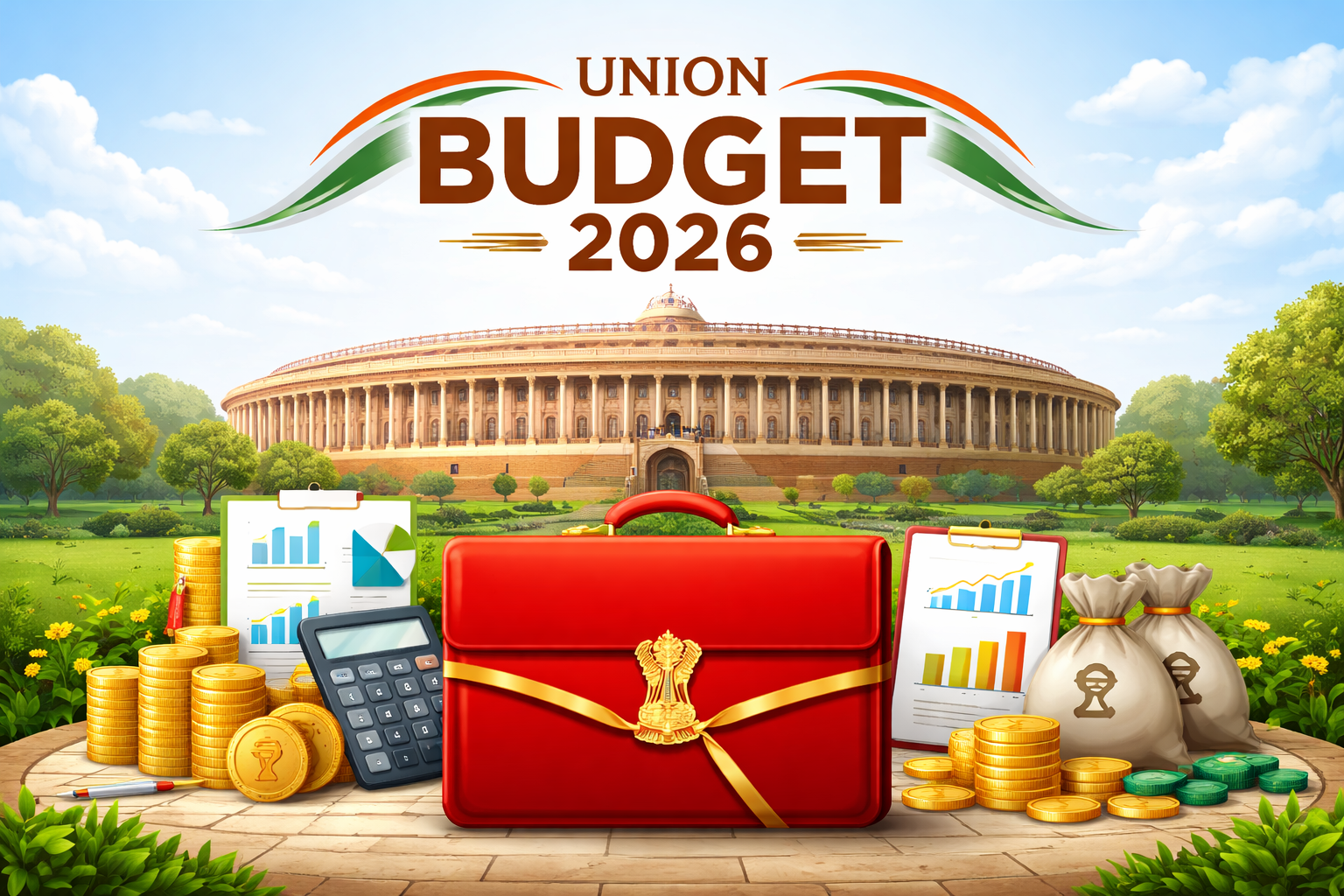
Union Budget 2026 highlights: Nirmala Sitharaman Raises Capex to Rs 12.2 Lakh Cr, West Bengal Gets Major Allocation

Finance Minister Nirmala Sitharaman is presenting the Union Budget 2026 in Parliament today. Follow this space for live updates, key announcements, and policy insights.

Published

on

Finance Minister Nirmala Sitharaman arrives to present Union Budget 2026

Finance Minister Nirmala Sitharaman will shortly present the Union Budget 2026 in the Lok Sabha, marking her ninth consecutive Budget. The annual financial statement is expected to outline the government’s policy priorities, reform agenda and spending plans for the coming year. Stay tuned for live updates, key announcements and immediate reactions as the Budget speech unfolds.

Finance Minister Nirmala Sitharaman tabled her ninth Union Budget today, beginning her speech at 11 am.

Nirmala Sitharaman is set to present her ninth Union Budget today, with the finance minister scheduled to begin her speech at 11 am.

Budget 2026 live updates: Presenting the Union Budget for 2026–27, Finance Minister Nirmala Sitharaman said the occasion coincided with Magh Purnima and the birth anniversary of Guru Ravidas. She noted that over the past 12 years, India’s economic journey has been defined by stability, fiscal discipline, sustained growth and moderate inflation.

The budgeted fiscal deficit for fiscal 2026 is estimated at 4.4 per cent of gross domestic product (GDP)

Planned capital expenditure this fiscal year Rs 11.2 lakh crore

Rare earth corrdiors in Odisha and Kerala

Hi-tech tool rooms to be set up by PSUs

Construction equipment scheme to be launched

Container manufacturing scheme for Rs 10,000 crore over 5 years

Rs 10,000 crore SME Growth Fund

Semi-conductor mission to get Rs 40,000 crore

Rs 12.2 lakh crores for infrastructure development

Dedicated RITES to repurpose land of Central PSUs

20 new waterways over next 5 years to be connected

7 high-speed corridors on rail

High-level committee on banking for next phase of Viksit Bharat

Capital expenditure hike of to ₹12.2 lakh crore in Budget 2026, with West Bengal receiving a significant share of allocations.

Mahatma Gandhi Gram Swaraj Initiative aimed at boosting the khadi, handloom, and handicrafts sectors.

High-speed rail corridors: Mumbai-Pune, Pune-Bengaluru, Hyderabad-Bengaluru, Chennai-Bengaluru, Delhi-Varanasi, Varanasi-Siliguri, Pune-Hyderabad

Five university campuses to be established near industrial corridors

Lakpati Didi program expanded in Budget 2026 to reach more beneficiaries across India.

Fiscal deficit for FY26 revised to 4.4%; Budget Estimate for FY27 set at 4.3%.

TCS on overseas tour packages cut to 2% to ease travel costs

Tax holiday to foreign companies that provide cloud services by setting up data centres in India till 2047

17 cancer drugs exempted from import duties

Continue Reading

Trending

© Copyright 2022 APNLIVE.com