English हिन्दी
Connect with us

India News

Excise duty on petrol cut to Rs 3, diesel to zero as global energy crisis deepens

The government has reduced excise duty on petrol and diesel by Rs 10 per litre amid global energy supply concerns.

Published

on

Excise duty on petrol

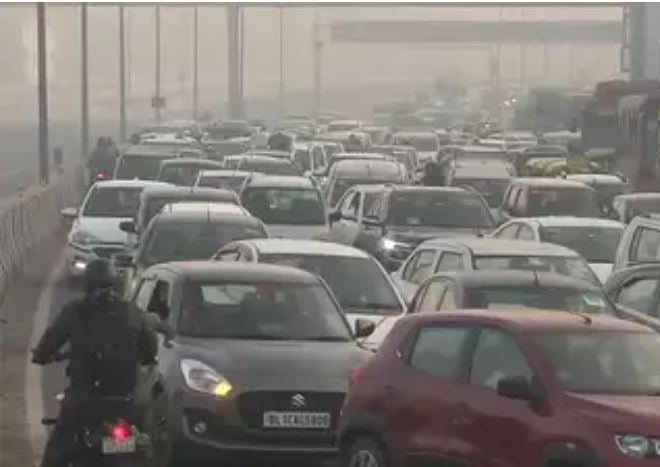
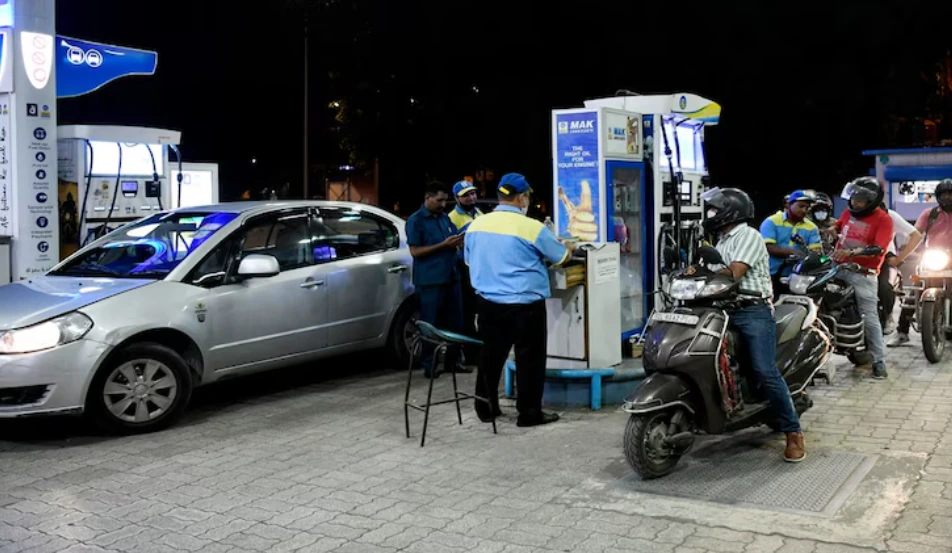
The central government on Friday announced a sharp reduction in excise duty on petrol and diesel, cutting the duty by Rs 10 per litre on both fuels. After the revision, excise duty on petrol has been reduced to Rs 3 per litre, while excise duty on diesel has been brought down to zero.

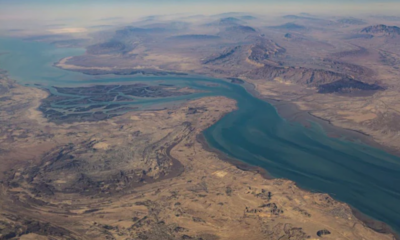
The move comes at a time when global energy markets are under pressure due to the ongoing conflict involving the US, Israel and Iran. The situation has intensified after Iran imposed a blockade on the Strait of Hormuz, a critical global oil shipping route.

The Strait of Hormuz is one of the world’s most important energy corridors, with around one-fifth of global crude oil and gas supply passing through it. Estimates suggest that between 20 and 25 million barrels of oil and gas move through the route every day.

Before the conflict, India was importing roughly 12 to 15 per cent of its oil supplies through this route, making the disruption a significant concern for energy security and fuel prices.

The excise duty cut is expected to help ease fuel prices and reduce the impact of rising global crude oil prices on consumers.

India News

Karnataka cabinet clears 15% internal reservation for Scheduled Castes, recruitment to begin soon

Karnataka approves internal reservation within SC quota, paving way for jobs

Published

on

The Karnataka cabinet, led by Chief Minister Siddaramaiah, has approved an internal reservation framework for Scheduled Castes (SCs) within the existing 15% quota, a move expected to address long-standing demands and restart stalled government recruitment.

The decision was taken during a special cabinet meeting and introduces a revised formula to distribute the quota among different SC sub-groups.

How the quota will be divided

Under the new structure, the 15% reservation for Scheduled Castes will be split into three categories:

  • 5.25% for “left-hand” SC communities
  • 5.25% for “right-hand” SC communities
  • 4.5% for other SC groups, including nomadic communities

The formula is based on proportional representation and aims to ensure equitable distribution of benefits among various sub-castes.

Recruitment to resume after long delay

The cabinet’s approval is expected to immediately unlock recruitment for thousands of government positions that had been on hold due to the reservation issue.

Officials indicated that recruitment notifications will now be issued, potentially opening up more than 50,000 vacancies across departments.

Long-pending demand addressed

The move comes after decades of demands from different SC communities seeking internal classification within the quota system. The government described the decision as a step toward social justice and balanced representation.

The issue had remained unresolved for years due to legal and administrative complexities, including concerns over exceeding the Supreme Court-mandated 50% reservation cap.

Political and social significance

The decision carries both administrative and political importance, as it addresses a sensitive issue affecting multiple communities within the Scheduled Castes. It also comes at a time when reservation policies continue to be a major subject of debate across states.

While the government has presented the move as a corrective step, it is likely to trigger reactions from various stakeholders, including opposition parties and community groups.

Continue Reading

India News

Amit Shah claims Mamata leaving, BJP coming after high turnout in Bengal polls

Amit Shah says high turnout in Bengal polls signals shift from Mamata Banerjee’s rule, predicts BJP surge.

Published

on

Union Home Minister Amit Shah on Friday expressed strong confidence in the Bharatiya Janata Party’s prospects in the ongoing West Bengal Assembly elections, asserting that the political mood in the state signals a shift away from Chief Minister Mamata Banerjee.

Speaking after the first phase of polling, Shah claimed that the high voter turnout indicates a desire for change, stating that “Mamata is leaving and BJP is coming.”

The first phase of elections recorded a notably high turnout across several constituencies, which Shah said reflects growing public support for the BJP and dissatisfaction with the current administration.

BJP predicts strong performance

The senior BJP leader went a step further, projecting a significant electoral gain for his party. He suggested that feedback from party workers and internal assessments indicate that the BJP could secure a large share of the seats contested in the first phase.

Shah linked the voter turnout to what he described as a broader shift in public sentiment, claiming that people in the state are moving from “fear to trust” and are ready for political change.

Intensifying political battle

The remarks come amid a high-pitched political contest between the BJP and the ruling Trinamool Congress, led by Mamata Banerjee. The ongoing election has seen sharp exchanges between leaders from both sides, with each camp projecting confidence in forming the next government.

Shah’s comments also follow recent statements by Banerjee targeting the BJP at the national level, highlighting the broader political stakes surrounding the Bengal elections.

As polling progresses in multiple phases, the results are expected to play a crucial role in shaping the political landscape of the state.

Continue Reading

India News

Kejriwal calls MPs for meeting, sources say he was unaware of developments

Arvind Kejriwal met AAP MPs at his residence, with sources suggesting he was unaware of developments that emerged ahead of the meeting.

Published

on

In a key political development, Arvind Kejriwal called a meeting of Aam Aadmi Party (AAP) MPs at his residence, with sources indicating that the party chief was unaware of what was about to unfold.

According to sources, the meeting was convened amid signs of unease within the party. However, those familiar with the developments said Kejriwal did not have prior knowledge of the concerns or positions that some MPs were expected to raise during the interaction.

The discussions come at a time when AAP is navigating internal challenges, with indications of differing views within sections of its parliamentary leadership. While details of the meeting have not been officially disclosed, sources suggested that the interaction carried an element of surprise for the party leadership.

There has been no official statement from the party regarding the outcome of the meeting. The situation remains fluid, and it is not yet clear what impact these developments may have on the party’s parliamentary strategy going forward.

Continue Reading

Trending

© Copyright 2022 APNLIVE.com