
India News
NTPC to build India’s biggest Solar Park in Gujarat






India News
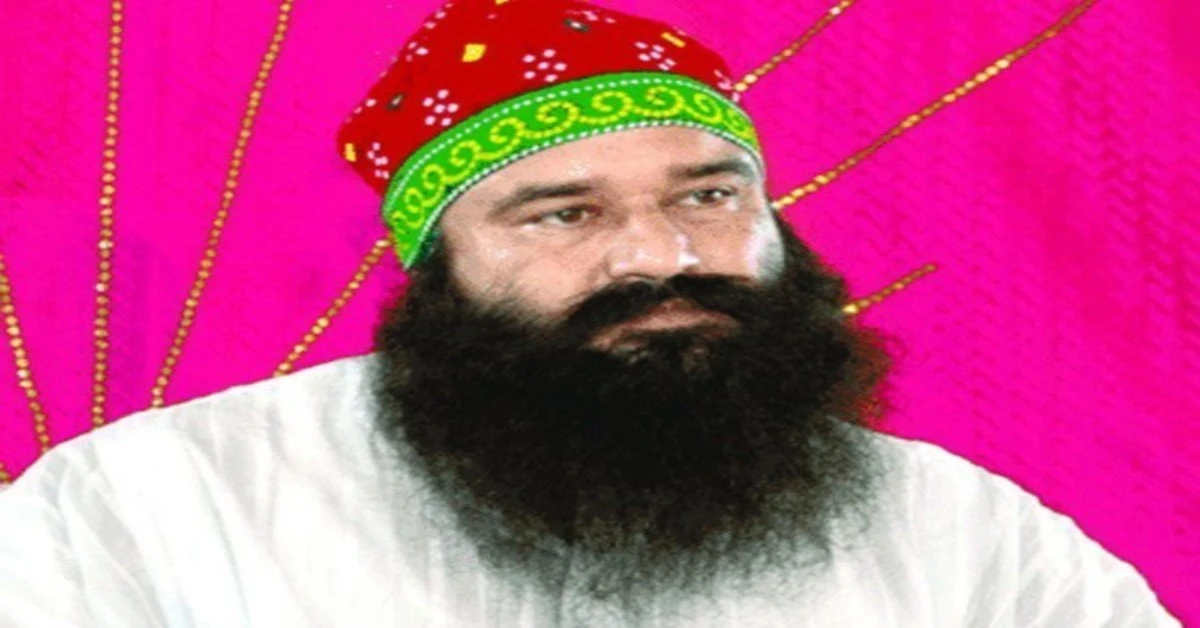
Gurmeet Ram Rahim acquitted in 2002 journalist Ram Chander Chhatrapati murder case
The Punjab and Haryana High Court has acquitted Dera Sacha Sauda chief Gurmeet Ram Rahim Singh in the 2002 murder case of journalist Ram Chander Chhatrapati.

India News
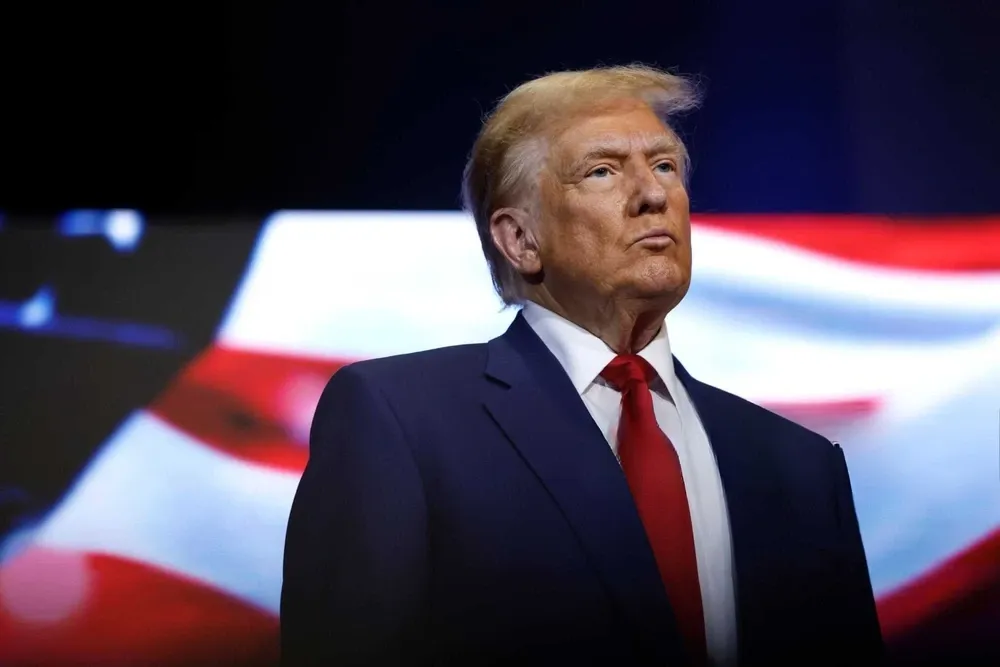
Trump’s handling of India ties a major mistake, says former Australia PM Tony Abbott
Former Australian prime minister Tony Abbott says Donald Trump’s tariffs and engagement with Pakistan leadership unnecessarily strained relations with India.
India News
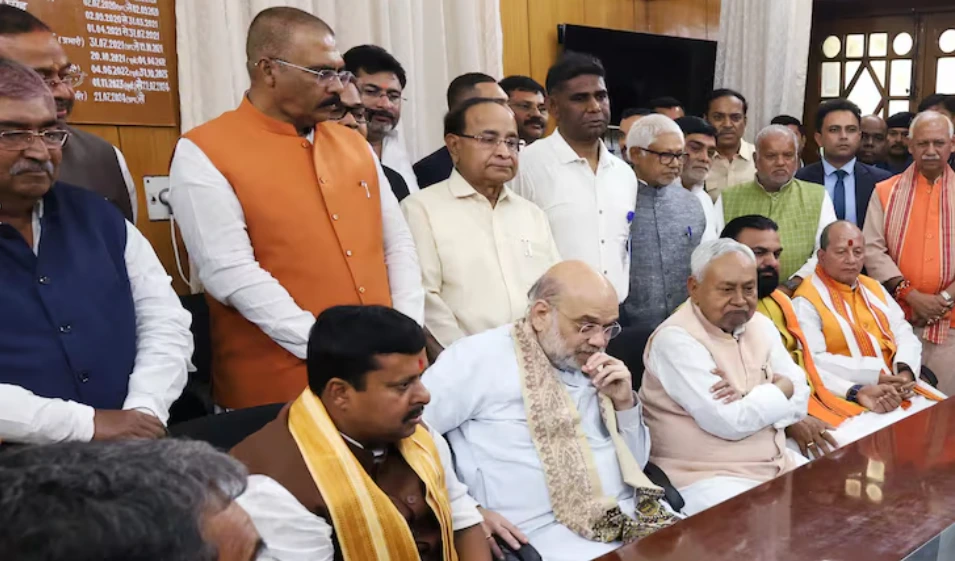
BJP likely to get chief minister in Bihar as Nitish Kumar plans Rajya Sabha move
Bihar may see a BJP chief minister for the first time as Nitish Kumar prepares to contest the Rajya Sabha elections. JD(U) is likely to receive 15 cabinet positions in the new government.

India News8 hours ago
Trump’s handling of India ties a major mistake, says former Australia PM Tony Abbott

India News3 hours ago
Gurmeet Ram Rahim acquitted in 2002 journalist Ram Chander Chhatrapati murder case

Latest world news3 hours ago
India says it never depended on permission to import Russian oil
Latest world news3 hours ago
India says it never depended on permission to import Russian oil
India News3 hours ago
Gurmeet Ram Rahim acquitted in 2002 journalist Ram Chander Chhatrapati murder case
India News8 hours ago
Trump’s handling of India ties a major mistake, says former Australia PM Tony Abbott

India News1 day ago
BJP likely to get chief minister in Bihar as Nitish Kumar plans Rajya Sabha move

India News1 day ago
Siddaramaiah presents record 17th Karnataka budget with Rs 4.48 lakh crore spending plan

RecommendedVideo5 years ago
Afghan Men Try To Hang With The Jet Engine Of The Aircraft in Kabul- Afghanistan News – Kabul News
videos5 years ago
Trending Top 10 News: 10000 Crore Fine on Flipkart, Apple to Launch Unique Feature, Hdfc Bank Job Ad

videos5 years ago
Trending Top 10 News: Nokia 6310, Apple sales, Bachpan ka Pyar Video Kid, Dainik Bhaskar IT Raid

videos5 years ago
Trending Top 10 News: Canada bans Indian flights, Rain in Delhi NCR, AIMIM Twitter hacked, Raj Kundra case

videos5 years ago
Trending Top 10 News: Shein India, Apple New Service, Pocket Oxygen, Oppo Launched New Phone
-
 India News8 hours ago
Trump’s handling of India ties a major mistake, says former Australia PM Tony Abbott
-
 India News3 hours ago
Gurmeet Ram Rahim acquitted in 2002 journalist Ram Chander Chhatrapati murder case
-
 Latest world news3 hours ago
India says it never depended on permission to import Russian oil
