English हिन्दी
Connect with us

Latest world news

Iran offers to reopen Strait of Hormuz with conditions, Trump administration sceptical

Iran has предложed reopening the Strait of Hormuz under three conditions, but the US remains unconvinced due to concerns over nuclear negotiations.

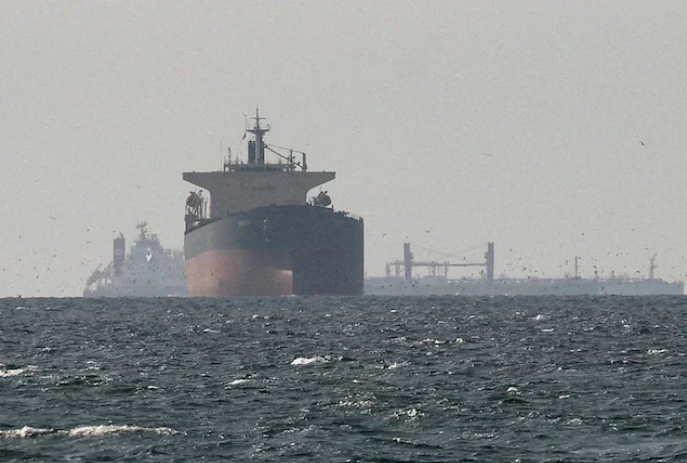
Published

on

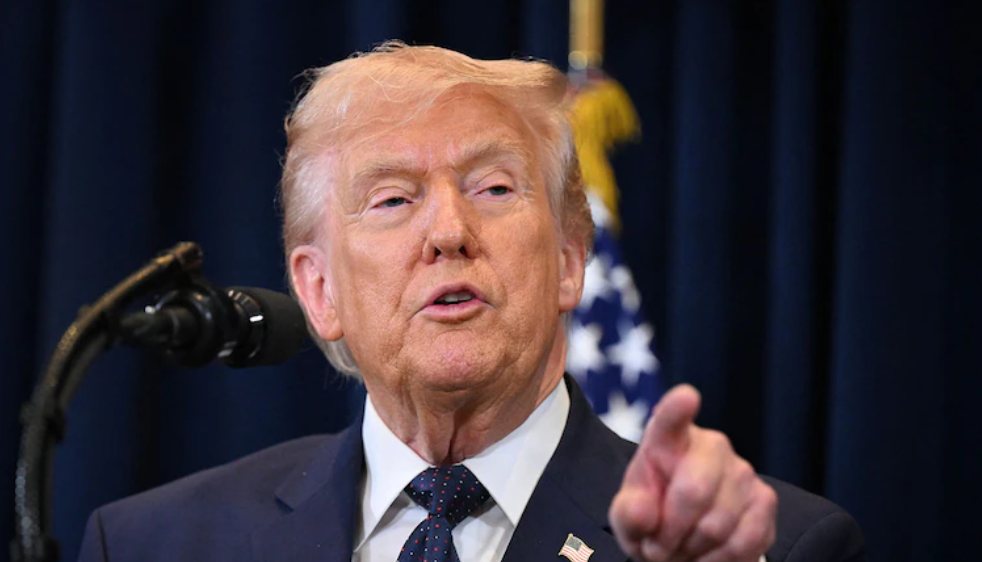
Iran has proposed reopening the strategically vital Strait of Hormuz under a three-condition plan, but the offer has been met with scepticism from the administration of Donald Trump, raising doubts over any immediate breakthrough in the ongoing conflict.

The proposal comes amid heightened tensions between the United States and Iran, with global energy markets closely watching developments around the key maritime route.

Iran’s three conditions for reopening Hormuz

According to reports, Iran has indicated it is willing to reopen the Strait of Hormuz if the United States agrees to:

  • Lift its naval blockade on Iran and its ports
  • End the ongoing conflict in the Middle East
  • Postpone discussions on Iran’s nuclear programme to a later stage

The offer is seen as an attempt to ease tensions and restart diplomatic engagement, especially after weeks of disruption to global oil supplies due to restricted movement through the strait.

Why the US is not convinced

Despite the proposal, US officials have expressed reservations. President Donald Trump and his national security team are reportedly unconvinced, particularly because the plan delays talks on Iran’s nuclear programme.

Washington has consistently maintained that any agreement must directly address concerns about Iran developing nuclear weapons. US Secretary of State Marco Rubio has also indicated that a deal excluding nuclear commitments would not be acceptable.

Key sticking point remains nuclear issue

The central disagreement lies in sequencing. Iran wants to first ease military and economic pressure, while the US insists nuclear restrictions must be part of the initial agreement.

This gap has made progress difficult, with no clear roadmap emerging for a ceasefire or long-term resolution.

Global impact of Hormuz tensions

The Strait of Hormuz is one of the world’s most critical oil transit chokepoints, carrying a significant share of global energy supplies. Any disruption or delay in reopening the route has immediate implications for oil prices and global trade stability.

With both sides holding firm on core demands, the path to a negotiated settlement remains uncertain.

Latest world news

Iran fires missiles at Israel for first time since April ceasefire, regional tensions flare

Iran launched a missile attack on Israel for the first time since the April ceasefire, raising fears of renewed conflict and prompting airspace restrictions in parts of the Middle East.

Published

on

Iran launched missiles toward Israel in a significant escalation of tensions, marking its first direct missile attack on Israeli territory since a fragile ceasefire was reached in April. The development has raised concerns about the possibility of renewed conflict in the Middle East.

According to Israeli military officials, air defence systems were activated after missile launches were detected from Iran. Warning sirens sounded in several areas as authorities moved to intercept the incoming projectiles. Reports indicated that most, if not all, of the missiles were intercepted before causing major damage.

Attack follows tensions over Beirut strike

The missile launch came after heightened tensions linked to Israeli military operations in Beirut. Iranian officials accused Israel of crossing red lines through its actions in Lebanon and signalled that retaliation was inevitable.

Iran’s military and political leadership warned that further Israeli actions could trigger broader responses across the region. The attack is being viewed as one of the most serious challenges to the ceasefire arrangement that has largely held since April.

Regional airspace restrictions imposed

In response to the growing security concerns, Iraq and Syria moved to restrict or close portions of their airspace. Iran also implemented airspace-related measures as regional governments sought to prevent risks to civilian aviation amid fears of further military escalation.

The latest developments have disrupted travel routes and heightened alert levels across several Middle Eastern countries.

Israel warns of response

Israeli officials condemned the missile attack and signalled that a response could follow. Military leaders stated that Israel would act when authorised, while security forces remained on high alert amid concerns that additional attacks could occur.

Meanwhile, international diplomatic efforts are continuing to prevent a broader regional conflict. Several countries have urged restraint as fears grow that the latest exchange could undermine ongoing negotiations and destabilise an already volatile region.

Continue Reading

Latest world news

Vladimir Putin backs India’s independent foreign policy, warns against sanctions pressure

Russian President Vladimir Putin said sanctions threats against India would boomerang, praising PM Narendra Modi’s leadership and India’s commitment to pursuing its national interests.

Published

on

Vladimir Putin

Russian President Vladimir Putin has said that any sanctions threats directed at India would ultimately backfire, asserting that New Delhi has consistently acted in accordance with its national interests and is unlikely to change course under Prime Minister Narendra Modi’s leadership.

Speaking about India-Russia relations and New Delhi’s foreign policy approach, Putin praised India’s independent decision-making and emphasized that attempts to pressure the country over its ties with Moscow would not achieve the desired outcome. He suggested that any such measures would have negative consequences for those imposing them.

The Russian leader described India as a reliable partner and highlighted the strength of bilateral ties between the two countries. He also indicated that Russia does not view India’s growing engagement with other nations, including the United States, as a threat to its relationship with New Delhi.

Putin further praised India’s economic progress and reiterated confidence in the country’s ability to pursue policies based on its own priorities. His remarks come amid continuing global discussions over sanctions, geopolitical alignments and international partnerships.

The comments underscore Moscow’s efforts to reinforce its strategic partnership with India while highlighting Russia’s support for New Delhi’s independent foreign policy stance.

Continue Reading

Latest world news

UK Foreign Secretary Yvette Cooper visits India to strengthen bilateral partnership

UK Foreign Secretary Yvette Cooper held high-level meetings in New Delhi during her first official visit to India, underscoring efforts to deepen cooperation in trade, security, technology and regional stability.

Published

on

UK Foreign Secretary Yvette Cooper visited New Delhi for her first official trip to India since assuming office, holding key meetings with Prime Minister Narendra Modi and External Affairs Minister S. Jaishankar as both countries seek to deepen cooperation across trade, security and strategic sectors.

The visit comes at a significant time in India-UK relations, with both governments working toward the implementation of their recently concluded trade agreement while also expanding collaboration in areas such as technology, climate action, supply chains and regional security.

Focus on trade and strategic cooperation

During her engagements in New Delhi, Cooper discussed ways to strengthen the comprehensive strategic partnership between the two countries. Conversations also touched on accelerating the implementation of the India-UK trade agreement and enhancing economic cooperation.

Her visit followed recent discussions between Indian Commerce Minister Piyush Goyal and UK Business and Trade Secretary Peter Kyle regarding the rollout of the bilateral trade pact.

New initiatives announced

India and the UK also announced fresh cooperation initiatives during the visit, including the launch of a Critical Minerals Global Supply Chain Observatory aimed at strengthening collaboration on critical minerals and supply-chain resilience.

Officials described the initiative as an important step in expanding cooperation in emerging strategic sectors and supporting resilient global supply chains.

Addressing global challenges

Apart from bilateral issues, discussions covered wider global concerns, including regional stability, economic disruptions arising from international conflicts and maritime security. The visit reflects the growing importance both countries attach to their strategic partnership amid evolving geopolitical challenges.

India and the UK have increasingly broadened cooperation across defence, technology, innovation, clean energy and people-to-people ties, with both sides aiming to further strengthen engagement in the coming years.

Fact-check assessment

The core angle—Yvette Cooper’s first official visit to India, meetings with PM Modi and S. Jaishankar, focus on trade, security, strategic cooperation and the launch of new bilateral initiatives—is supported by multiple current reports and appears factually sound.

Continue Reading

Trending

© Copyright 2022 APNLIVE.com