English हिन्दी
Connect with us

Latest world news

UK PM Keir Starmer rules out visa deal with India, focuses on strengthening trade ties

During his India visit, UK Prime Minister Keir Starmer ruled out any new visa deal, focusing instead on leveraging the recently signed free trade agreement to enhance economic ties between both nations.

Published

on

Britain-PM-and-india-pm

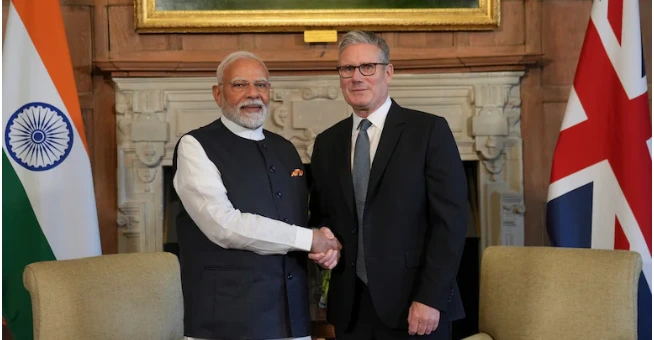
United Kingdom Prime Minister Keir Starmer has clarified that Britain will not seek a new visa deal with India as part of his ongoing two-day visit aimed at deepening economic relations between the two nations.

Starmer, who arrived in India on Wednesday leading a trade delegation, said his focus was on expanding opportunities arising from the free trade agreement signed earlier this year. The agreement, finalised in July and expected to take effect next year, marks a major step forward in bilateral trade cooperation.

Speaking to reporters en route to India, Starmer said, “That isn’t part of the plans,” when asked about including visas in the discussions. “The visit is to take advantage of the free trade agreement that we’ve already struck. Businesses are taking advantage of that. But the issue is not about visas.”

Starmer’s remarks come as he prepares to meet Prime Minister Narendra Modi on Thursday for talks centered on trade and investment opportunities.

The British Prime Minister also highlighted that previous negotiations had been hindered by visa-related disagreements but reiterated that the current trade deal was free from such complications.

Starmer’s Labour government is adopting a stricter stance on immigration amid growing public concern in the UK, with recent polls showing the Labour Party trailing behind the Reform UK party on immigration-related issues.

He added that while he wishes to attract “top talent” to Britain, he has no plans to open visa routes specifically for professionals from India’s technology sector.

Asked whether Britain would stop issuing visas to countries that refuse to repatriate foreign criminals, Starmer clarified that India already has a returns agreement with the UK and described it as a “non-issue” in bilateral relations.

“We are looking at whether there should be a link between visas and returns agreements,” he said.

Latest world news

US KC-135 refuelling aircraft crashes in Iraq amid ongoing Iran war

A US KC-135 refuelling aircraft crashed in western Iraq during the ongoing Iran war, marking the fourth American aircraft lost in the conflict, according to the US military.
Published

on

us millitary aircraft crash

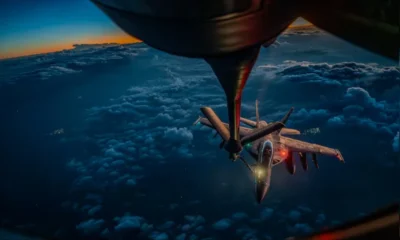
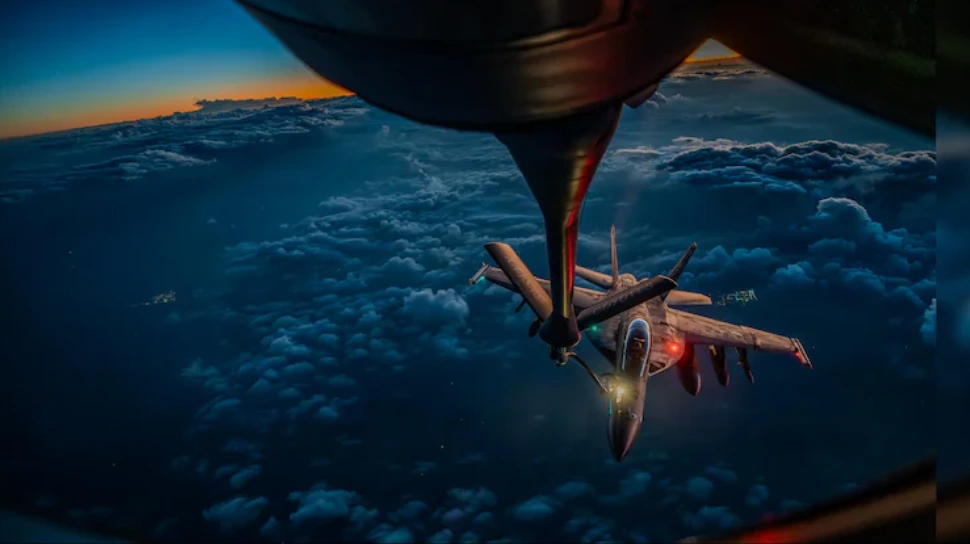
The United States military has confirmed that one of its aerial refuelling aircraft crashed in western Iraq, marking the fourth American aircraft lost since the start of the current conflict involving Iran.

According to a statement issued by United States Central Command (CENTCOM), the incident involved a Boeing KC-135 Stratotanker. The military said one aircraft went down in western Iraq, while another aircraft linked to the situation was able to land safely.

CENTCOM clarified that the crash was not the result of hostile fire or friendly fire, though details about the cause of the incident have not yet been disclosed.

Fourth US aircraft lost in the conflict

The crash makes the KC-135 the fourth American military aircraft lost since the beginning of the war in the Middle East, which started on February 28.

Earlier in the conflict, three McDonnell Douglas F-15E Strike Eagle fighter jets were mistakenly shot down by forces from Kuwait in what the US military described as friendly fire. Despite the loss of the aircraft, all six crew members from those jets managed to eject safely.

CENTCOM had earlier said the incident happened during intense combat operations that included attacks from Iranian aircraft as well as ballistic missiles and drones.

KC-135 aircraft and crew details

The KC-135 aerial refuelling aircraft has been in service for more than six decades and plays a key role in extending the range and endurance of US military aircraft during operations.

Typically, the aircraft operates with a three-member crew, consisting of a pilot, a co-pilot and a boom operator responsible for refuelling other aircraft mid-air. However, certain missions may require a navigator, and the aircraft can carry up to 37 passengers, according to information provided by the US Air Force.

Authorities have not yet released information about the crew involved in the latest crash or whether there were casualties.

Continue Reading

Latest world news

Mojtaba Khamenei named Iran’s new supreme leader after death of Ali Khamenei

Iran’s Assembly of Experts has selected Mojtaba Khamenei as the country’s new supreme leader following the death of Ali Khamenei amid escalating regional conflict.
Published

on

Mojtaba

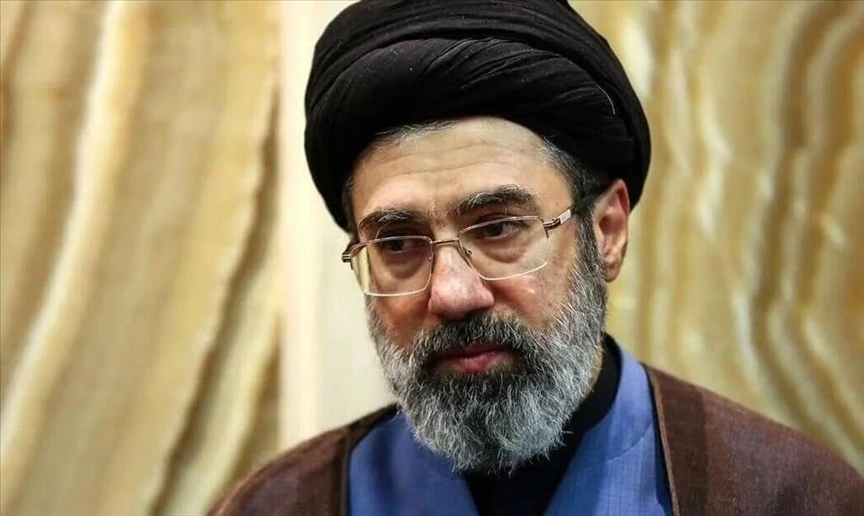
Mojtaba Khamenei has been appointed the new Supreme Leader of Iran, replacing his father Ali Khamenei, according to state media reports.

The decision was taken by the Assembly of Experts, an 88-member council responsible for selecting the country’s supreme leader. The body said it had chosen Mojtaba Khamenei through a decisive vote, naming him the third leader of the Islamic Republic.

Mojtaba Khamenei, a mid-ranking cleric with strong connections within Iran’s security establishment, had long been seen as a potential successor to his father. His influence within the powerful Revolutionary Guards and networks associated with his father’s office had made him a prominent figure in Iran’s political structure.

His appointment comes amid a sharp escalation in tensions in the region. Ali Khamenei was reportedly killed in strikes carried out during the ongoing conflict involving Iran, the United States and Israel. The situation has led to rising hostilities and military exchanges in recent days.

The role of supreme leader in Iran carries ultimate authority over key state institutions, including the military, judiciary and major political decisions.

The development may further strain relations between Tehran and Washington. Donald Trump recently said the United States should have a say in who leads Iran, a remark likely to draw criticism from Iranian authorities.

Meanwhile, fighting linked to the conflict has continued across the region. Strikes targeting infrastructure in Tehran have caused fires at fuel facilities, sending thick smoke into the sky and raising environmental concerns.

Iranian officials have condemned the attacks as dangerous escalation, while Israeli authorities have defended the strikes, saying the targeted facilities were connected to Iran’s military operations.

As the conflict continues, Iran’s new leadership now faces the challenge of navigating both internal political pressures and rising regional tensions.

Continue Reading

Latest world news

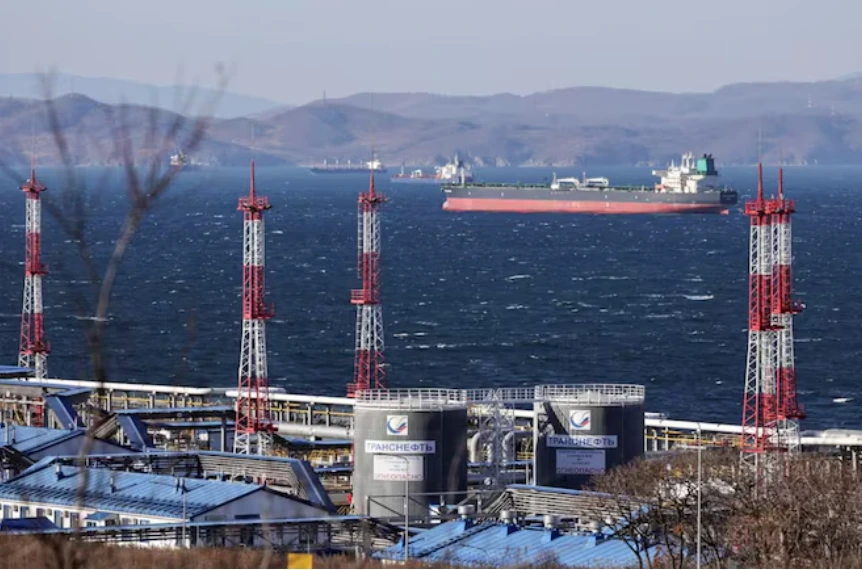
India says it never depended on permission to import Russian oil

India says it continues to import Russian oil based on competitive pricing and national interest, while energy supplies remain stable despite global tensions.
Published

on

India on Saturday reiterated that it has never relied on permission from any country to purchase Russian oil, even as the United States recently issued a temporary waiver allowing certain shipments to continue.

The Centre said India’s energy strategy remains focused on securing crude oil at the most competitive prices while maintaining stable supplies despite rising tensions in global shipping routes.

India continues Russian oil imports

According to the government, India continues to import Russian crude and has done so consistently throughout the Russia-Ukraine conflict.

Officials said Russia remains India’s largest crude oil supplier, with imports rising significantly after 2022 due to discounted prices and the demand from domestic refineries.

“India has never depended on permission from any country to buy Russian oil,” the Centre said in a statement, adding that purchases are based on affordability and national interest.

Energy supplies remain secure

The government said India’s energy supply remains stable despite disruptions along the Strait of Hormuz route amid tensions linked to the Iran-US-Israel conflict.

To strengthen energy security, India has expanded its crude oil sourcing network from 27 countries to 40 countries, creating multiple supply options.

The Centre also said the country currently holds more than 250 million barrels of crude oil and petroleum products across its reserves and supply chain. This stockpile provides a buffer equivalent to around seven to eight weeks of consumption.

India’s refining capacity stands at 258 million metric tonnes per annum, which the government said exceeds current domestic demand.

US waiver and global oil market volatility

The United States on Thursday temporarily eased sanctions on Russia to allow oil already loaded on vessels at sea to be sold to India.

Officials in New Delhi said describing the waiver as enabling such purchases overlooks the fact that the trade has continued for years.

“India is a net exporter of refined products to the world — a position that reinforces, not undermines, its energy security,” the Centre said.

Meanwhile, tensions in the Middle East have affected global oil markets. Military actions involving the United States and Israel against Iran, along with retaliatory strikes by Tehran across the Gulf region, have disrupted shipping routes and energy flows.

Global oil prices surged 8.5 per cent on Friday and had climbed nearly 30 per cent over the previous week, following remarks by US President Donald Trump that the conflict would end only with Iran’s “unconditional surrender”.

Earlier in February, Washington removed a 25 per cent tariff on Indian exports under an interim trade agreement. The US administration said the decision followed a commitment by India to halt Russian oil purchases. However, no such commitment appears in the joint statement issued at the time, and the Indian government has not confirmed or denied the claim.

Continue Reading

Trending

© Copyright 2022 APNLIVE.com