Latest world news
Pompeo: Donald Trump want to meet Iran’s Rouhani at UNGA


Amidst Iran’s allegations against US and its regional allies for supporting separatists involved in terror attack in Ahvaz two days ago, Secretary of State Mike Pompeo says that President Donald Trump wants to hold talks with his Iranian counterpart Hassan Rouhani during UN General Assembly being held in New York this week.
Pompeo, while talking to US based NBC network on Sunday, said, “I think the president’s been pretty clear about that. He’s happy to talk with folks at any time. If there’s a constructive dialogue to be had, let’s get after it.”
Meanwhile, US Ambassador to UN Nikki Haley has dismissed Iranian allegations that Washington and its allies were behind the deadly terror attack on the military parade in Ahvaz and said Tehran should look close to home.
 Nikki Haley told CNN’s State of the Union show, “He can blame us all he wants. The thing he’s got to do is look at the mirror.” She further said, “He’s got the Iranian people are protesting, every ounce of money that goes into Iran goes into his military, he has oppressed his people for a long time and he needs to look at his own base to figure out where that’s coming from.”
Read More: Iran: Terrorists kill eight IRGC personnel, injure several others
Iranian President Hassan Rouhani had reiterated his allegations against US and its regional allies before leaving for the UN on Sunday. He was quoted saying, “America wants to cause chaos and unrest in our country so that it can return to this country, but these are unreal fantasies and they will never achieve their goals.”
 Earlier, Iran’s Foreign Ministry spokesman Bahram Qassemi had dismissed as “ridiculous” claims attributed to US Ambassador to the UN Nikki Haley that Iranian President Hassan Rouhani had asked for a meeting with Trump.
Iran’s Supreme Leader Ayatollah Seyyed Ali Khamenei has recently stressed that his country will not enter into new negotiations with US due to cheating and bullying nature of its government.
Read More: Iran Alleges US, Its Gulf Allies for Ahvaz Terror Attack
Saudi-backed al-Ahvazia terror group, which is based in Europe, has claimed responsibility for the assault.
Iran has so far summoned the ambassadors of the Netherlands, Denmark and British charge d’affairs over sheltering members of Al-Ahvazia terror group.
On Sunday, Iranian foreign ministry also summoned the UAE envoy in Tehran and protested against the provocative statements by an official in support of the Ahwaz attack.
However, UAE’s Minister of State for Foreign Affairs Anwar Gargash has denied the Iranian allegations alluding to the involvement of the UAE in training gunmen that attacked the Ahvaz military parade.
He further said that the “formal incitement against UAE from within Iran is unfortunate, and has escalated after the Ahvaz attack”.
On Saturday, terrorists opened fire on people watching a military parade on the occasion of the beginning of the Sacred Defense Week, marking the beginning of war by Iraq’s dictator Saddam Hussein in 1980.
Twenty-five military personnel and civilians- including women and children were killed and 68 others were injured in the attack. Three of the four assailants involved in the attack were killed by the Iranian security forces.






Latest world news
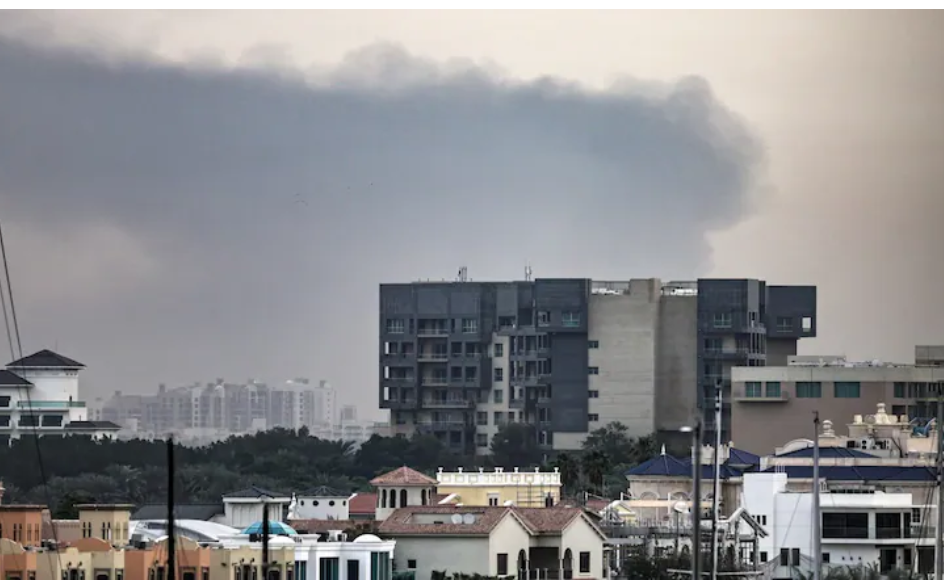
Dubai hit again within 24 hours as debris strikes building, drone targets US embassy in Baghdad
A building in Dubai’s financial hub was struck by debris from an intercepted attack while a drone targeted the US embassy in Baghdad, officials said.

Latest world news
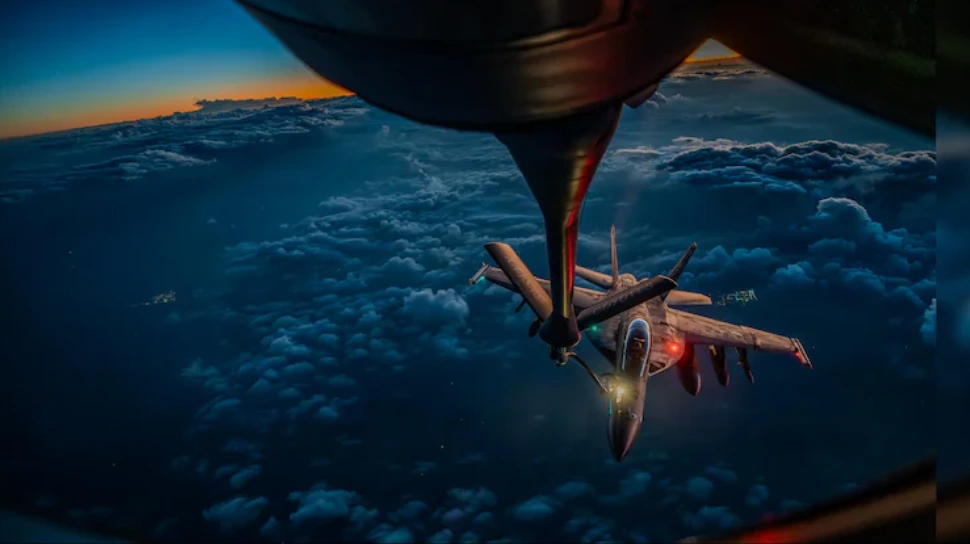
US KC-135 refuelling aircraft crashes in Iraq amid ongoing Iran war
A US KC-135 refuelling aircraft crashed in western Iraq during the ongoing Iran war, marking the fourth American aircraft lost in the conflict, according to the US military.
Latest world news
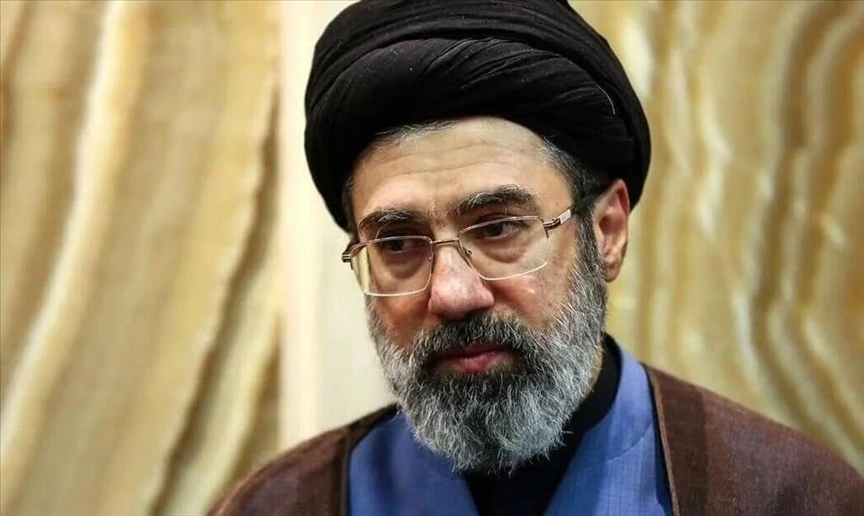
Mojtaba Khamenei named Iran’s new supreme leader after death of Ali Khamenei
Iran’s Assembly of Experts has selected Mojtaba Khamenei as the country’s new supreme leader following the death of Ali Khamenei amid escalating regional conflict.

Centre revokes detention of climate activist Sonam Wangchuk after nearly six months

BJP and TMC workers clash in Kolkata ahead of PM rally

Dubai hit again within 24 hours as debris strikes building, drone targets US embassy in Baghdad

Massive fire destroys around 80 shanties in west Delhi, hundreds left homeless

US KC-135 refuelling aircraft crashes in Iraq amid ongoing Iran war

Afghan Men Try To Hang With The Jet Engine Of The Aircraft in Kabul- Afghanistan News – Kabul News
Trending Top 10 News: 10000 Crore Fine on Flipkart, Apple to Launch Unique Feature, Hdfc Bank Job Ad

Trending Top 10 News: Nokia 6310, Apple sales, Bachpan ka Pyar Video Kid, Dainik Bhaskar IT Raid

Trending Top 10 News: Canada bans Indian flights, Rain in Delhi NCR, AIMIM Twitter hacked, Raj Kundra case