
Latest world news
Qatar opens Doors for 80 Countries

Indians may obtain 30-day visa waiver on arrival
In a bid to relax its isolation after Saudi Arabia led quartet severed their diplomatic, business and travelling ties, Qatar has introduced a new visa policy on Thursday, allowing citizens of 80 countries, including India, to enter its territory without obtaining prior visa.
According to Qatar News Agency, the Ministry of Interior (MoI), Qatar Tourism Authority (QTA) and the Qatar Airways have jointly announced the decision.
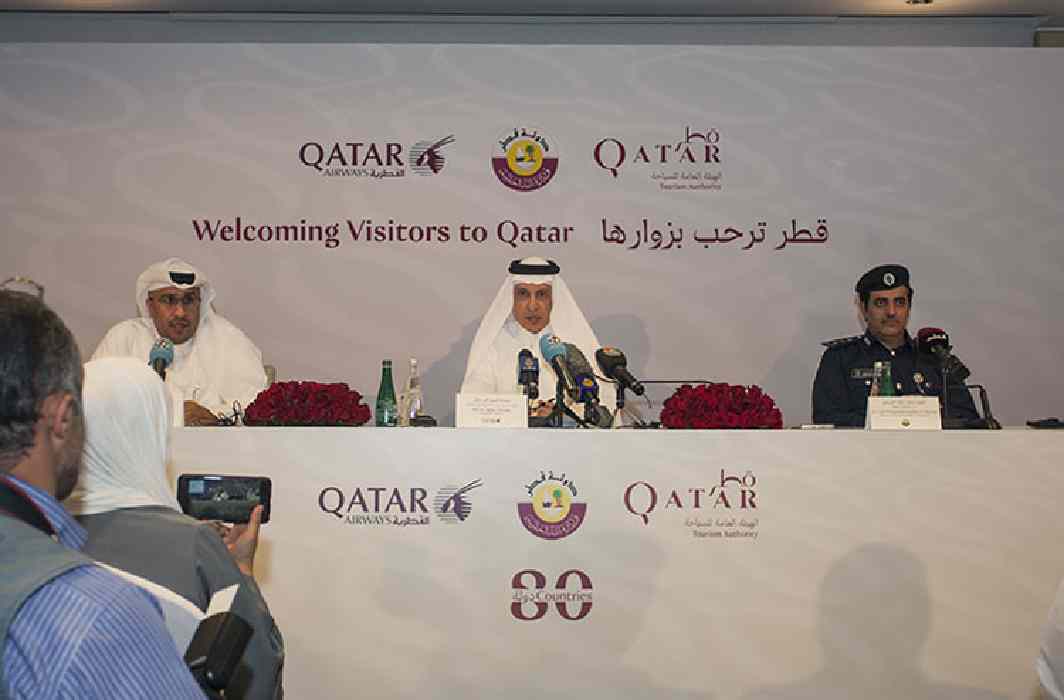
Qatar Airways Group chief executive Akbar al-Baker, while addressing a press conference, along with officials from Ministry of Interior and Tourism Authority in Doha said that the citizens of these 80 countries will be able to enter the country “with no paper work, no payment and no visas.” The announcement has made Qatar the most open country in the region.
“Many of these visitors who otherwise may not have considered a stay in our beautiful country will no doubt go on to share their experience with others. These new ambassadors will be vital to achieving our target of over 7mn tourists by the year 2030,” said al- Baker.
Instead of applying for a visa, citizens of these countries who want to visit Qatar will be given a multiple-entry waiver for free at the port of entry. The countries include the UK, the US, Seychelles, New Zealand, Canada, Australia, India, and South Africa. 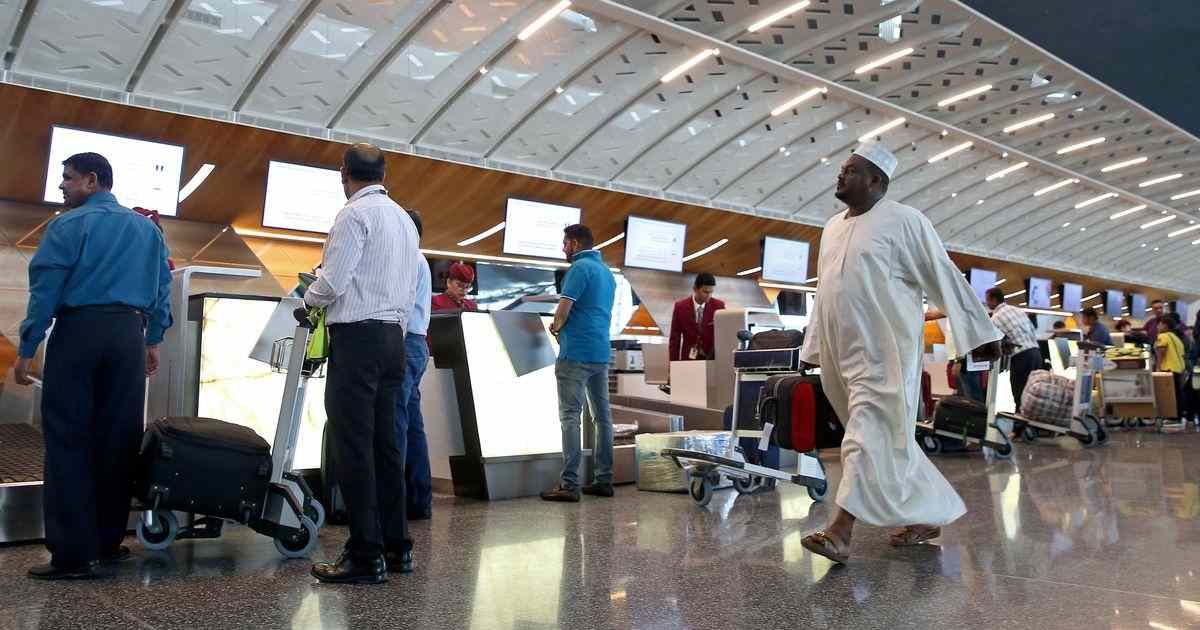
On June 5 this year, Saudi Arabia, UAE, Bahrain and Egypt had suddenly severed their diplomatic ties, business and travel relations with Qatar alleging Doha for its moral and financial support to terrorism. They demanded, among others, severing ties with Iran, closing new Turkish army base in its territory and shutting down of Aljazeera news network.
However, Doha’s Thursday move has opened Qatar’s borders for more free movement welcoming visitors from all corners of the world.
Out of the 80 countries, citizens of 33 countries will be eligible for a multiple- entry waiver valid for 180 days, allowing them to stay for up to 90 days in the country. However, the people of other 47 countries can obtain a 30 day visa waiver upon arrival which will allow them to spend up to 30 days in the county and it can be extend by another 30 days. India comes in the second batch of the countries.
Hassan al-Ibrahim, the Chief Tourism Development Officer, while talking to the journalists, said, “Easing entry to Qatar is a key enabler for the growth of Qatar’s tourism industry. With this announcement we are already turning the pages of the next chapter of Qatar’s journey towards 2030.” He said that 80 countries have been selected considering the quality of the tourists and their spending ability, in addition to security considerations.
Qatar is also considering further enhancements to its visa policy such as waiving visa requirements for holders of a residence permit or a valid visa from Gulf Cooperation Council (GCC) citizens (Bahrain, Kuwait, Oman, Saudi Arabia, and the UAE), the UK, the US, Canada, Australia, New Zealand or the Schengen countries.
This waiver would allow eligible visitors to obtain an Electronic Travel Authorization by completing a simple online application at least 48 hours prior to travel.
According to early 2017 statistics, Qatar’s total population was 2.6 million while most of them, 2.3 million were expatriates. Only 313,000 are Qatari citizens. It is a high income economy, backed by the world’s third largest natural gas and oil reserves.








Latest world news
S Jaishankar says India is a natural option for Russia amid Europe tensions
External Affairs Minister S Jaishankar said India remained a natural option for Russia as Moscow increasingly turned towards Asia amid strained relations with Europe. He highlighted the continuity of India-Russia ties and their significance for the balance of power in Asia.


Latest world news
Putin praises PM Modi, says he has very good ideas on Ukraine war
Russian President Vladimir Putin has praised Prime Minister Narendra Modi for repeatedly raising the need to end the Ukraine war, describing his ideas for a settlement as “very good”.

Latest world news
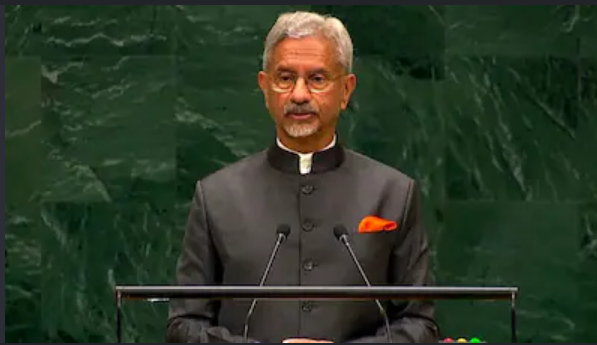
S Jaishankar calls Pakistan a “serial practitioner of terrorism” at UN
S Jaishankar criticised Pakistan at the UN General Assembly, referring to a “serial practitioner of terrorism” and warning against attempts to normalise terrorism.

Rahul Gandhi hosts high tea for INDIA bloc after Gyanesh Kumar protests

L Murugan quits Union ministry to strengthen BJP in Tamil Nadu

Amit Shah attacks Rahul Gandhi over Congress poll losses, questions SIR row

BJP focuses on religion as opposition pushes BDM strategy in UP

S Jaishankar says India is a natural option for Russia amid Europe tensions

PM Modi speaks to Mark Carney as India and Canada push to strengthen ties
S Jaishankar says India is a natural option for Russia amid Europe tensions

CJP leaders Saurav Das, Ashutosh Ranka, Ajinkya Shinde sent to 5-day judicial custody
BJP focuses on religion as opposition pushes BDM strategy in UP
L Murugan quits Union ministry to strengthen BJP in Tamil Nadu

Afghan Men Try To Hang With The Jet Engine Of The Aircraft in Kabul- Afghanistan News – Kabul News
Trending Top 10 News: 10000 Crore Fine on Flipkart, Apple to Launch Unique Feature, Hdfc Bank Job Ad

Trending Top 10 News: Nokia 6310, Apple sales, Bachpan ka Pyar Video Kid, Dainik Bhaskar IT Raid

Trending Top 10 News: Canada bans Indian flights, Rain in Delhi NCR, AIMIM Twitter hacked, Raj Kundra case

Trending Top 10 News: Shein India, Apple New Service, Pocket Oxygen, Oppo Launched New Phone
-
 India News16 hours ago
Rahul Gandhi hosts high tea for INDIA bloc after Gyanesh Kumar protests
-
 India News15 hours ago
L Murugan quits Union ministry to strengthen BJP in Tamil Nadu
-
 India News16 hours ago
Amit Shah attacks Rahul Gandhi over Congress poll losses, questions SIR row
-
 India News14 hours ago
BJP focuses on religion as opposition pushes BDM strategy in UP
-
 Latest world news3 hours ago
S Jaishankar says India is a natural option for Russia amid Europe tensions
-
 India News4 hours ago
CJP leaders Saurav Das, Ashutosh Ranka, Ajinkya Shinde sent to 5-day judicial custody
-
 India News3 hours ago
PM Modi speaks to Mark Carney as India and Canada push to strengthen ties
