
Latest world news
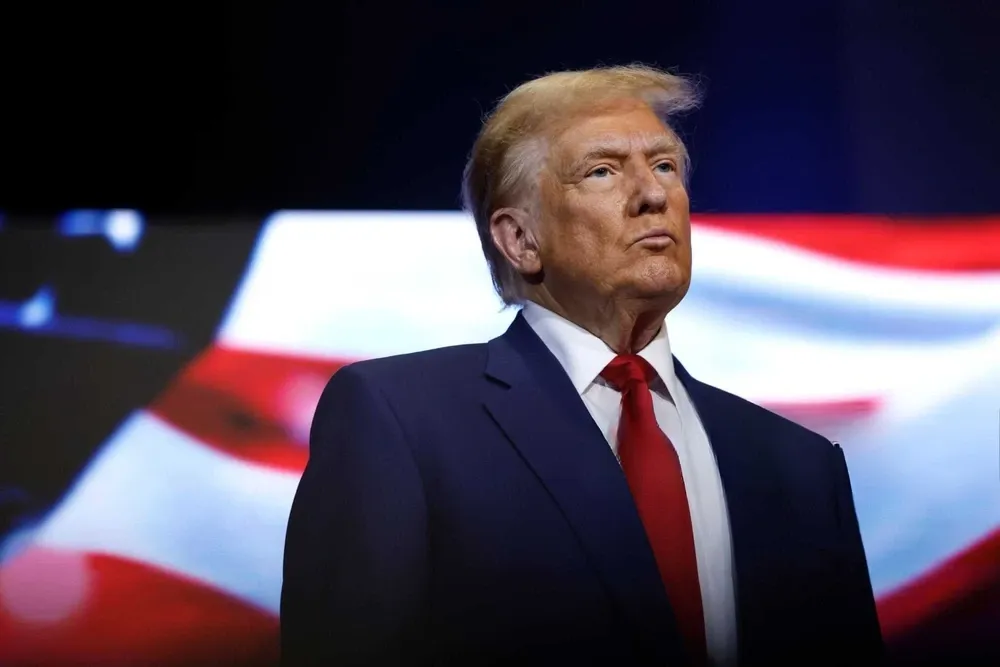
Trump defends tariff policy, says it is making US rich
US President Donald Trump has defended his trade strategy, calling tariffs his favourite word and crediting them with bringing “trillions of dollars” to America, despite facing a Supreme Court challenge.





Latest world news
India studying implications after US Supreme Court strikes down Trump’s global tariffs
India said it is studying the implications of a US Supreme Court ruling that struck down Donald Trump’s sweeping tariffs, even as a new 10% global duty has been announced under an alternate law.
Latest world news
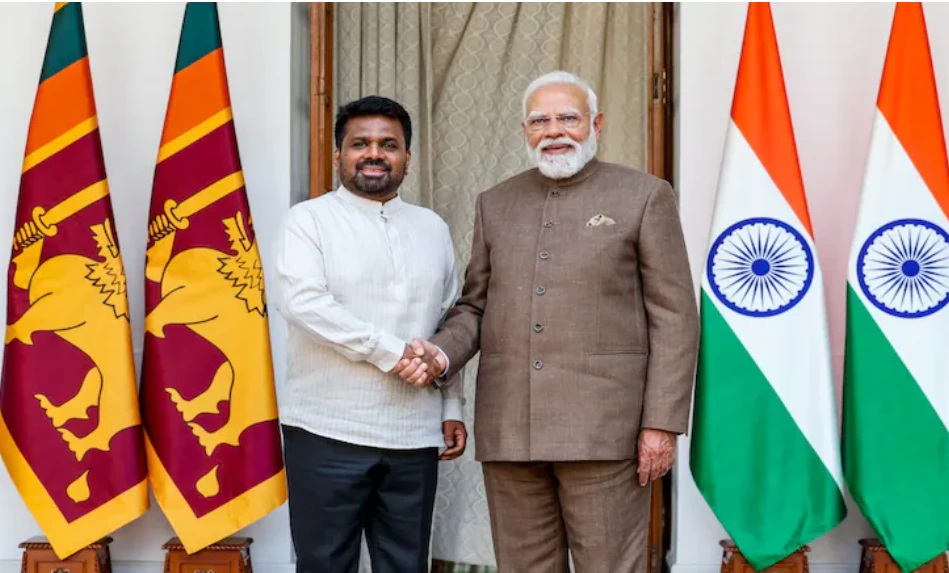
PM Modi meets Sri Lankan President Dissanayake at AI summit, reviews connectivity agenda
PM Modi and Sri Lankan President Anura Kumara Dissanayake reviewed connectivity, AI cooperation and regional stability during talks at the AI Impact Summit in New Delhi.
Latest world news
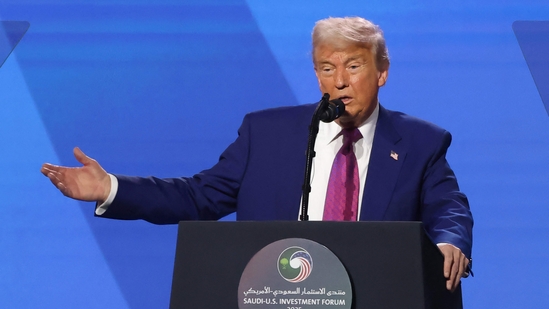
Trump signs 10% global tariffs after US Supreme Court setback
Donald Trump has signed a new 10% global tariff order after the US Supreme Court struck down much of his earlier sweeping import duties

Trump signs 10% global tariffs after US Supreme Court setback

PM Modi meets Sri Lankan President Dissanayake at AI summit, reviews connectivity agenda
RSS not seeking political power, focused on uniting Hindu society, says Mohan Bhagwat

India studying implications after US Supreme Court strikes down Trump’s global tariffs
India studying implications after US Supreme Court strikes down Trump’s global tariffs
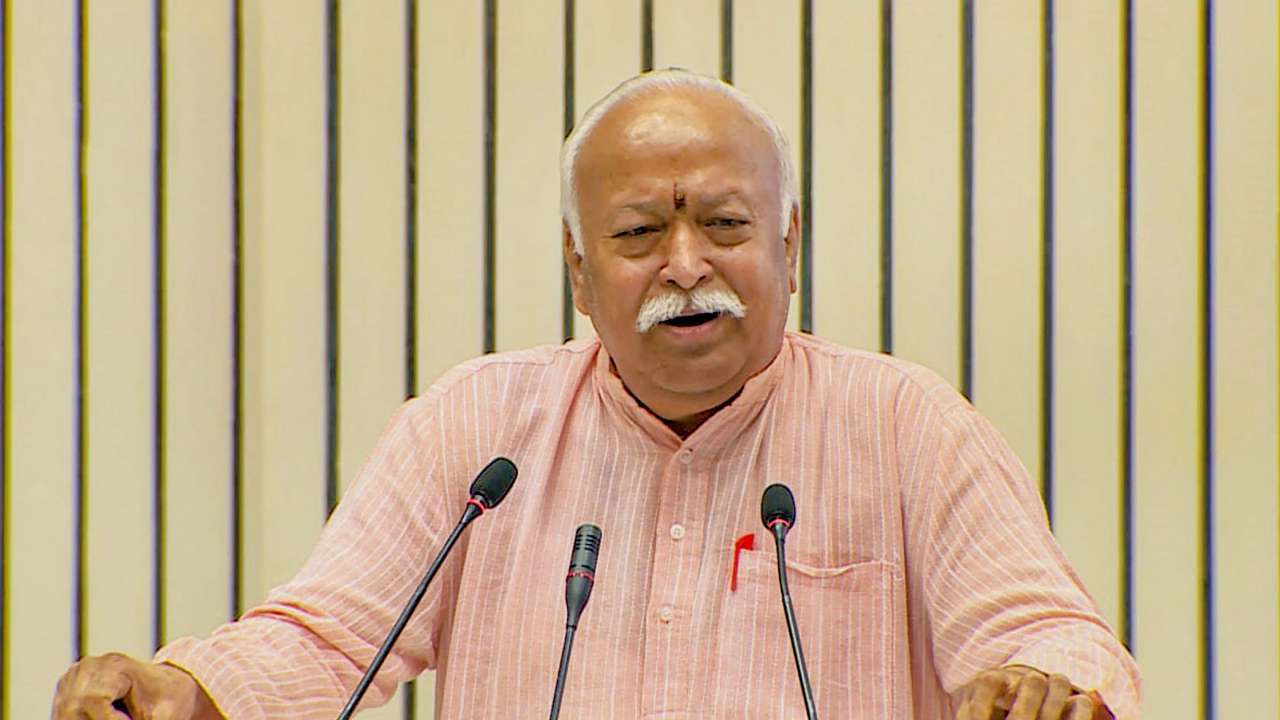
RSS not seeking political power, focused on uniting Hindu society, says Mohan Bhagwat
PM Modi meets Sri Lankan President Dissanayake at AI summit, reviews connectivity agenda
Trump signs 10% global tariffs after US Supreme Court setback

BJP MLA Vungzagin Valte dies after prolonged battle with injuries from Manipur violence

Afghan Men Try To Hang With The Jet Engine Of The Aircraft in Kabul- Afghanistan News – Kabul News
Trending Top 10 News: 10000 Crore Fine on Flipkart, Apple to Launch Unique Feature, Hdfc Bank Job Ad

Trending Top 10 News: Nokia 6310, Apple sales, Bachpan ka Pyar Video Kid, Dainik Bhaskar IT Raid

Trending Top 10 News: Canada bans Indian flights, Rain in Delhi NCR, AIMIM Twitter hacked, Raj Kundra case

Trending Top 10 News: Shein India, Apple New Service, Pocket Oxygen, Oppo Launched New Phone
-
 Latest world news14 hours ago
Trump signs 10% global tariffs after US Supreme Court setback
-
 Latest world news14 hours ago
PM Modi meets Sri Lankan President Dissanayake at AI summit, reviews connectivity agenda
-
India News13 hours ago
RSS not seeking political power, focused on uniting Hindu society, says Mohan Bhagwat
-
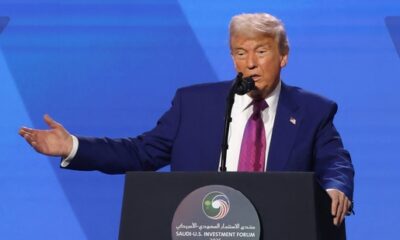 Latest world news5 hours ago
India studying implications after US Supreme Court strikes down Trump’s global tariffs
