
Latest world news
US Prepares to Relocate Its Embassy to Jerusalem


Road signs coming up near US consulate in south Jerusalem
Ignoring all protests opposing recognition of Jerusalem as Israel’s capital, US President Donald Trump’s administration has been moving towards relocating its embassy from Tel Aviv to the city. Jerusalem witnessed fixing of road signs on Monday ahead of May 14, the day when US consulate building will be officially repurposed as embassy.
According to reports, the signs, in English, Hebrew and Arabic, were installed by workmen close to the US consulate situated in south Jerusalem.
In December, US President Donald Trump had announced his decision of recognising Jerusalem as the capital of Israel and asked Department of State to initiate the process to relocating its embassy from Tel Aviv to Jerusalem.
Read More: Trump to order Embassy shift to Jerusalem despite world community warning
Trump’s move was met with widespread protests in most countries in the world, except Israel and regional US allies. Palestinian President Mahmoud Abbas condemned the US move saying that Washington has lost its credibility as mediator in the Middle East crisis.

The move prompted international condemnation and triggered a wave of protests in the occupied Palestinian territories.
Turkish President Recep Tayyip Erdogan had hosted OIC emergency summit on December 13 at Ankara where most countries had strongly condemned Trump’s move. The leaders of the OIC member states condemned Trump’s decision.
Read More: OIC rejects Donald Trump’s Jerusalem move at extraordinary Summit in Ankara
Arab foreign ministers of Arab League member states had also called for international recognition of Palestinian state with East Jerusalem as its capital. This was aimed to nullify the controversial US decision.
Read More: Arab League call Trump’s Jerusalem move as dangerous
Britain had joined 13 other UNSC member states to vote in favour of a resolution calling for Donald Trump to rescind his declaration that Jerusalem is the capital of Israel, showing the depth of global opposition to the move. US was the only country opposing the resolution.
Read More: Trump isolates US by recognizing Jerusalem as Israeli capital
Donald Trump had promised to recognise Jerusalem as Israel’s capital and move the US embassy to the city during his election campaign in 2016. However, in June 2017, like his predecessors, he signed a six-month waiver to delay the relocation, which was expired on December 1.
The White House said at the time that the question is “not if that move happens, but only when”.
In February, President Trump, while speaking to Israeli media, reiterated that the issue of Jerusalem is off the negotiating table. “By taking Jerusalem off the table, I wanted to make it clear that Jerusalem is the capital of Israel and as for specific boundaries, I would support what both sides agreed to,” Trump told an Israeli newspaper.
Nabil Shaath, an advisor to Palestinian President Mahmoud Abbas, while talking to Palestine TV in February has said, “If US President Donald Trump carries out his decision, he will inflame the entire region and threaten the US’ interests there.”
The current US move will overturn decades of international consensus on Jerusalem, a highly contested city. The city is claimed by Muslims, Christians and Jews to be historically important for them. Half of Jerusalem was occupied and annexed by Israel following the 1967 War.
Read More: Saudi Arabia and Egypt gave prior consent for Trump’s Jerusalem move
Israel claims all of Jerusalem as its “united” capital, and its annexation of East Jerusalem effectively put the entire city under de-facto Israeli control. The Palestinians, however, see East Jerusalem as the capital of their future state. They were promised East Jerusalem as their capital by international community during the US sponsored peace talks through last several decades.
Surprisingly the international community, including the US administration, does not recognise Israel’s jurisdiction and ownership of Jerusalem.
Palestinians say that moving the embassy would prejudge one of the most sensitive issues in the conflict – the status of Jerusalem – and undermine the US’ status as an honest mediator.
Read More: Trump’s Jerusalem move: Our position on Palestine is independent, says India
Palestinian President Mahmoud Abbas has warned that the move would have a “disastrous impact on the peace process, on the two-state solution and on the stability and security of the entire region”.
On December 2, 2017, US President Donald Trump had formally announced the US recognition of Jerusalem as the capital of Israel, reversing nearly seven decades of American foreign policy and ordered for the relocation of the US embassy. Following the announcement Trump signed a further embassy waiver under the Jerusalem Embassy Act. On February 23, the State Department announced the new embassy will open in May.





Latest world news
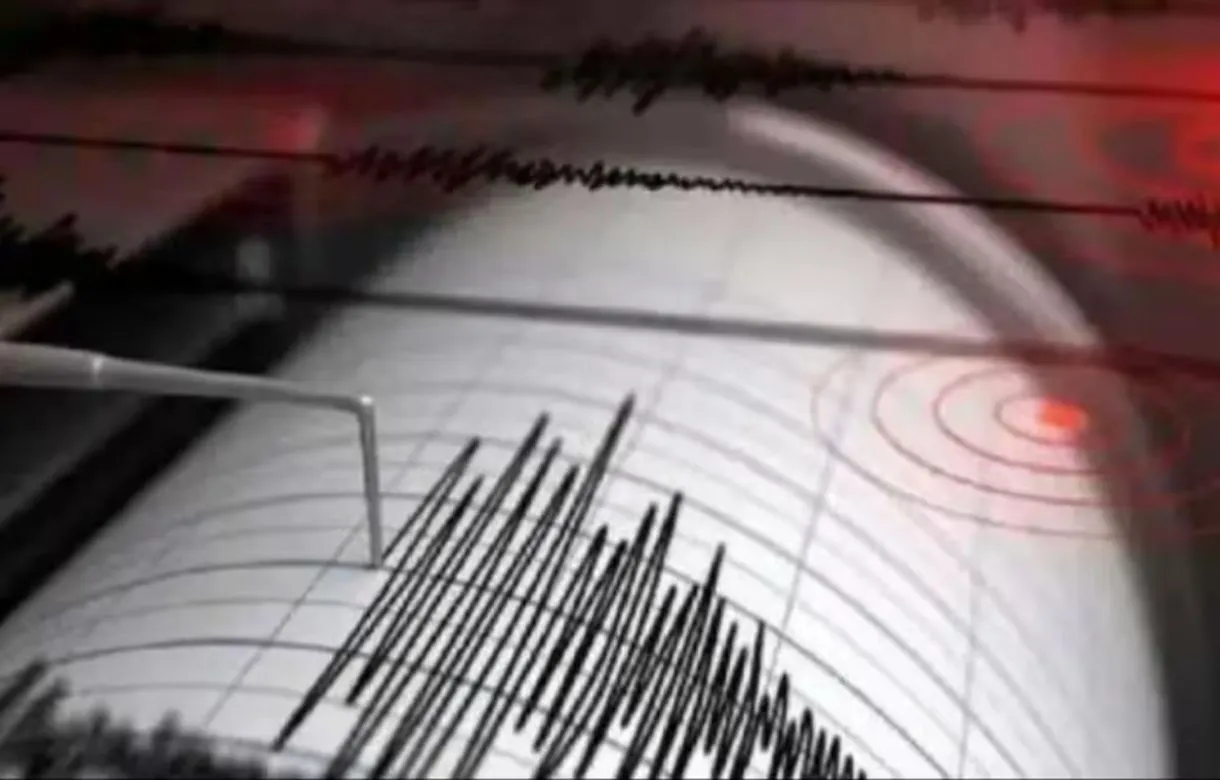
Magnitude 7 earthquake strikes Tibet after floods
A magnitude 7 earthquake struck northern Tibet on Thursday, October 22. The tremor came weeks after deadly flash floods and landslides hit the mountainous region near the Nepal-China border. Initial reports did not confirm casualties or damage from the earthquake.

Latest world news
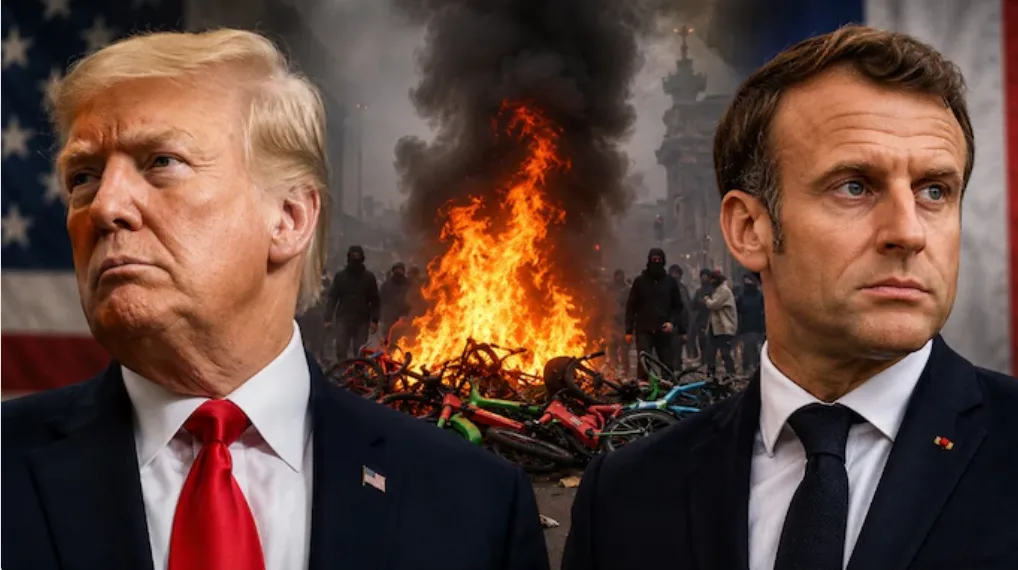
Macron rejects Trump’s immigration claims over France riots
French President Emmanuel Macron criticised Donald Trump and other foreign leaders over their comments on France’s recent unrest. Macron rejected claims that the country was being overrun by migrants and Islamists, calling such assertions false.
Latest world news
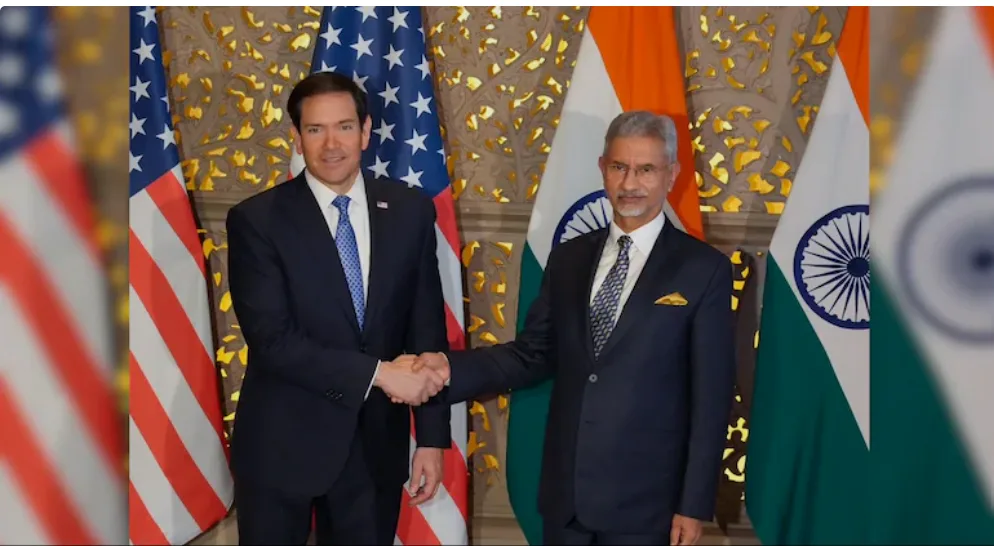
Marco Rubio says India and US share extraordinary alignment on key issues
US Secretary of State Marco Rubio said India and the United States share an extraordinary alignment on core issues, even though disagreements between the two countries may arise.

Punjab strike hits public services as 3 lakh employees and roadways workers protest

Two election commissioners complained against senior poll officer, RTI reveals

Om Prakash Mathur sworn in as Keralam Governor

PM Modi to inaugurate Rs 169-crore RBI data centre in Odisha on October 25

Delhi High Court rejects Neha Bora’s plea against peace bond notice

MEA responds after ITBP chief flags ongoing face-offs with China in Arunachal
Delhi High Court rejects Neha Bora’s plea against peace bond notice
PM Modi to inaugurate Rs 169-crore RBI data centre in Odisha on October 25
Om Prakash Mathur sworn in as Keralam Governor
Two election commissioners complained against senior poll officer, RTI reveals

Afghan Men Try To Hang With The Jet Engine Of The Aircraft in Kabul- Afghanistan News – Kabul News
Trending Top 10 News: 10000 Crore Fine on Flipkart, Apple to Launch Unique Feature, Hdfc Bank Job Ad

Trending Top 10 News: Nokia 6310, Apple sales, Bachpan ka Pyar Video Kid, Dainik Bhaskar IT Raid

Trending Top 10 News: Canada bans Indian flights, Rain in Delhi NCR, AIMIM Twitter hacked, Raj Kundra case

Trending Top 10 News: Shein India, Apple New Service, Pocket Oxygen, Oppo Launched New Phone
-
 India News13 hours ago
Punjab strike hits public services as 3 lakh employees and roadways workers protest
-
 India News13 hours ago
Two election commissioners complained against senior poll officer, RTI reveals
-
 India News2 hours ago
Om Prakash Mathur sworn in as Keralam Governor
-
 India News2 hours ago
PM Modi to inaugurate Rs 169-crore RBI data centre in Odisha on October 25
-
 India News46 mins ago
Delhi High Court rejects Neha Bora’s plea against peace bond notice
-
 India News18 mins ago
MEA responds after ITBP chief flags ongoing face-offs with China in Arunachal
