
Latest world news
Migrant Jihadis: ISIS Freed From Raqqa, In Search Of Endless Battles

[vc_row][vc_column][vc_column_text]By: Saeed Naqvi
The final shoot out in the old Wild West movies has the camera dwell on the blaze engulfing the Sherrif’s office. The Sherrif leads the charge into the saloon where the bad men lounge around.
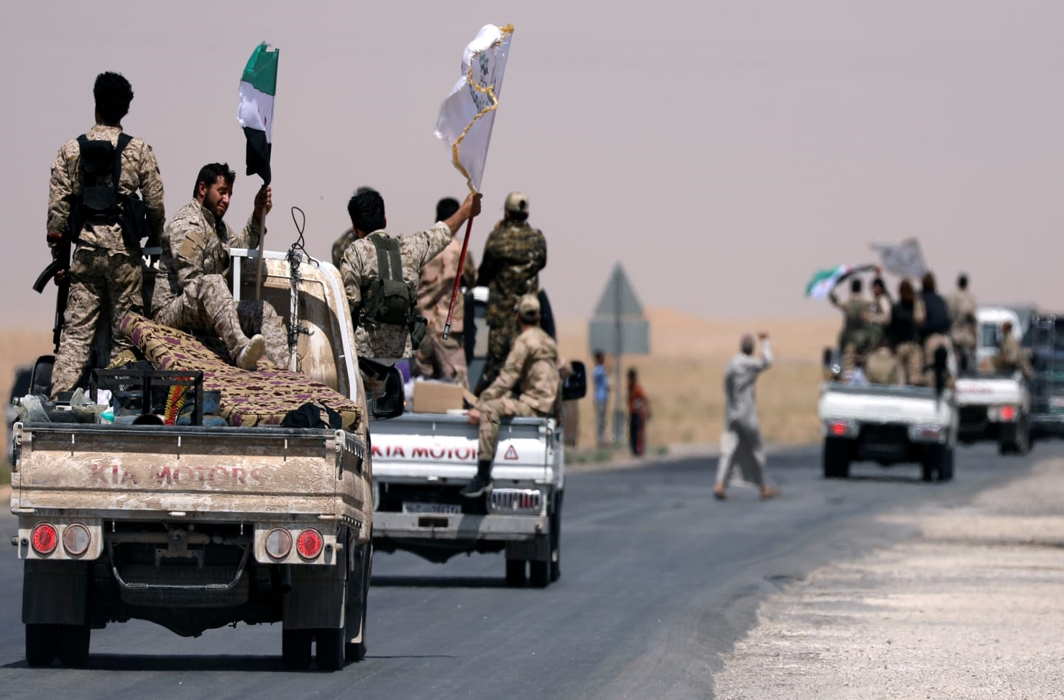
If this analogy is to be applied to the final blow up taking place in West Asia, particularly since the Russians entered Syria in 2015 to help fight “terrorist outfits” like Jabhat al Nusra, Al Qaeda, ISIS and so on, the script will have to be expanded on an epic scale, focused not on one saloon but on a series of them, serving clusters of homesteads. Kobane, Aleppo, Idlib, Hama, Homs, Palmyra, Mosul, Raqqa, Kirkuk….
I can set the scene for the script having travelled to Homs, Hama, Daraa at the outset when US ambassador Stephen Ford was promoting democracy, meeting insurgents. It was an open road show.
Americans had said at the very outset of their involvement in Syria that they would not have boots on the ground. The Russians had indicated no such squeamishness. In other words, Russians would have a ringside seat on American’s messy involvement with Nusra here or Al Qaeda there. These gangs were instantly transformed into freedom fighters whenever there was need. Simply put, terrorists fighting Assad were freedom fighters, worthy of support in training with lethal weapons. But Assad fighting terrorists was foul: he was a thug, thwarting democracy. Heads I win; tails you lose. Of course there must be excesses committed by Assad, like us in Kashmir, but the larger context dwarves these.
If you find my tone at a variance from what you have seen and read on Syria, do please watch Congressional hearings with Army Commanders managing the Syrian show. Not to be missed is the hapless Defence Secretary, Ashton Carter, admitting before a full press corps how a $500 million program to train Syrians had to be abandoned because the trainees handed their weapons to Jabhat al Nusra and found safe passage to few know where.
The mad pursuit for a New Middle East, repeatedly thwarted, keeps resurfacing, hydra-like. The driving force behind the neo con dream has metastasized into all sorts of outlandish and frightful scenarios.
Has the strategic community forgotten founder of Blackwater, Eric Prince’s idea of “governing” Afghanistan exactly as the British governed India in early 20th century – under a “Viceroy”. Yes, the written proposal was under active consideration of the President of the United States last summer, with his adviser Steve Bannon grinning from ear to ear at the prospect of Afghan raw materials funnelled suitably into Trump’s “America first” receptacle. Read the Atlantic magazine on that theme. The deal was almost done.
Never mind if they were not allowed to reinvent the British empire in Afghanistan. The world’s biggest provider of mercenary fighting units, controls other fiefdoms. They are part of the core group advising the Abu Dhabi ruler. Thanks to Blackwater, Latin American soldiers are fighting for the Saudis in Yemen. How will countries like Colombia utilize their citizens trained and tested in combat when they return home? Bogota may not have the money to afford Blackwater, but surely Trump may find battle ready Colombians useful against a country on his hit-list: Venezuela.
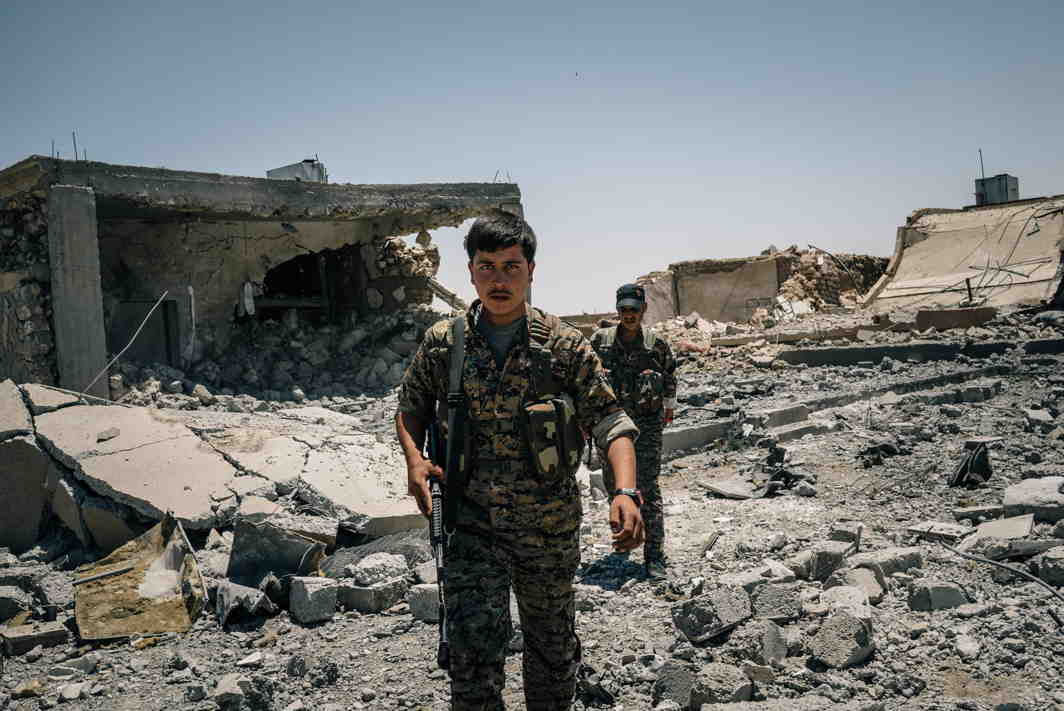
The most sinister part of the post 9/11 wars inaugurated by the US in West Asia is their endlessness. This has become so particularly after the Afghan and Iraqi experience. The US learnt at great cost that troops in both theatres were inextricably bogged down in the quick sand. Wisdom dawned. Air power, missiles, drones would provide cover, if needed, to “indigenous” foot soldiers, armed to the teeth with fierce Jihadism and financed, well, by Saudi Arabia. Qatar, Turkey, the Emirates have all had their hand in this till.
In its first, experimental stage this Jihadism was able to push back Soviet power from Afghanistan in 1989. The carelessness with which the US turned its back on this high voltage takfirism was stunning. US strategist Zbigniew Brzezinski’s terse comment was typical: “We were focused on bringing down the Soviet Union; we were not worried about some stirred up Muslims.”
These “stirred up” Muslims boomeranged in Kashmir, Cairo, Algiers. Post 9/11 wars, with Jihadist foot soldiers, has left a rich crop of Jihadists in platoon and company strength.
Robert Fisk, authoritative journalist on west Asia, has a telling piece in The Independent: “ISIS has lost Raqqa – so where will its fighters head to next?” the Syrian Democratic Forces, mostly Kurdish, backed by the Americans, were supposed to be fighting the IS.
What has actually happened is mind boggling. US air power has flattened Raqqa on the scale of Dresden in World War II. But, by Fisk’s testimony, 275 IS fighters have been freed to go where they like. Deir ez-Zzor is one destination. But they can be relocated far afield to unsettle any targeted society with a Muslim minority.
The Moscow initiative on Afghanistan had anticipated some of this. When China, Iran, Afghanistan, Pakistan and eventually even India and several Central Asian countries met in Moscow last April, the main item on the agenda was that Taleban, being an Afghan National entity, should be incorporated in Kabul’s power structure. The move would isolate IS, Al Qaeda and their affiliates and thus prevent them from unsettling countries in the region.
The Moscow initiative came after Trump’s announcement: he would drastically scale down in Afghanistan. But, true to form, Trump changed his mind. He is now embarked on an open ended involvement in Afghanistan – with all accompanying dangers. In the name of fighting the IS, Afghanistan may end up becoming a hatchery for multiples of IS and Al Qaedas. The Mujahideen will have come full circle.
Has Islamic militancy increased since the global war on terror was launched? An honest answer will place this piece in perspective.[/vc_column_text][/vc_column][/vc_row]






Latest world news
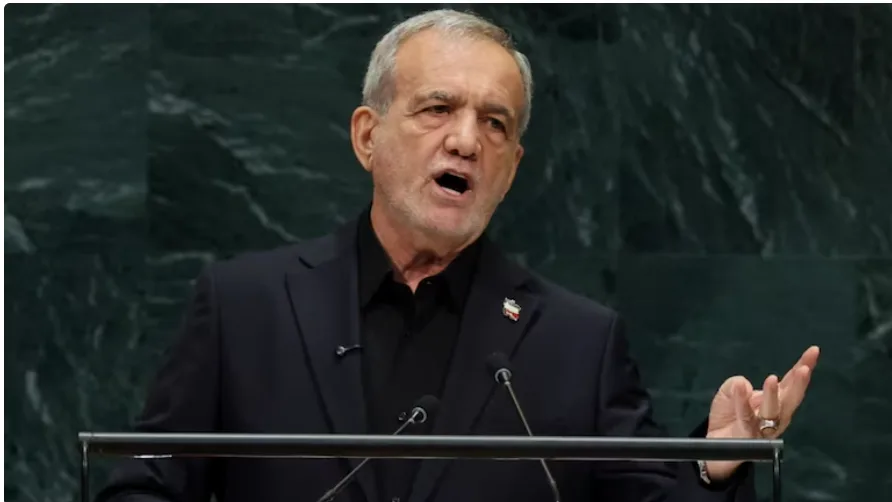
Iranian President Pezeshkian at UN says Iranians have been victims of US terrorism
Iranian President Masoud Pezeshkian said at the UN General Assembly that Iranians had been victims of US terrorism and insisted that Iran had acted in self-defence.

Latest world news
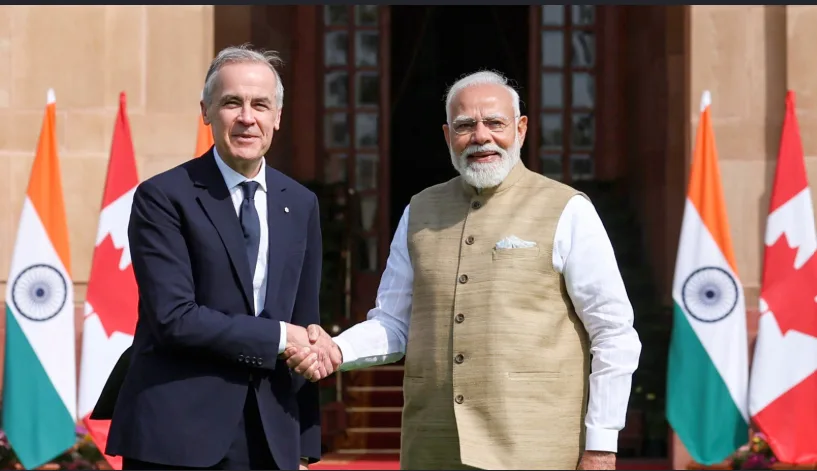
PM Modi’s Canada visit could help wrap trade talks, says Canada PM Mark Carney
Canadian PM Mark Carney said he is looking forward to hosting PM Narendra Modi, with both countries aiming to conclude their ongoing trade negotiations.
Latest world news
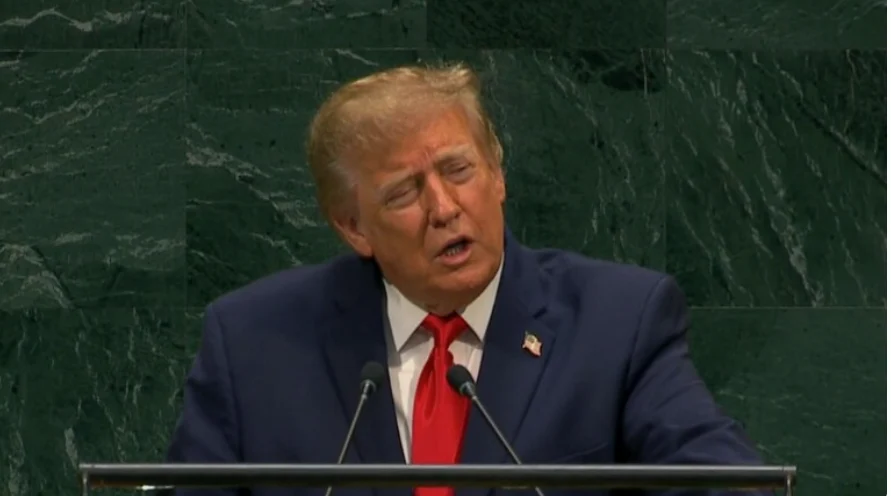
Trump issues fresh Iran warning at UN General Assembly, signals deal after midterms
US President Donald Trump issued a fresh warning to Iran during his UN General Assembly address, saying he faces a choice between a deal and further escalation.

Assam makes Muslim marriage registration compulsory under new rules
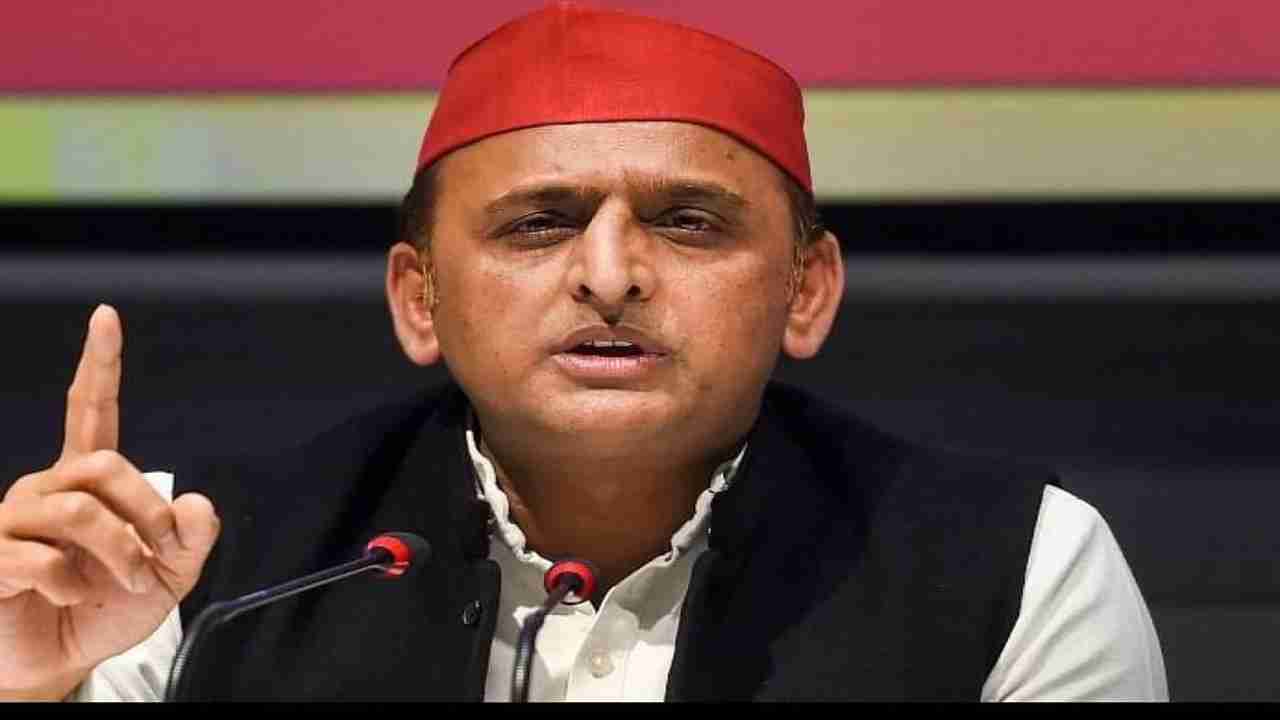
Akhilesh Yadav launches SP’s 2027 UP poll campaign from Rahul Gandhi’s seat

Trump-Xi Summit: Trade, Taiwan and AI among key takeaways

Congress protests against Gyanesh Kumar, demands Election chief’s resignation

Women wrestlers challenge Brij Bhushan’s acquittal in sexual harassment case

Veeramani POCSO case: Vijay questions Stalin over earlier probe
Women wrestlers challenge Brij Bhushan’s acquittal in sexual harassment case
Congress protests against Gyanesh Kumar, demands Election chief’s resignation
Assam makes Muslim marriage registration compulsory under new rules
Trump-Xi Summit: Trade, Taiwan and AI among key takeaways

Afghan Men Try To Hang With The Jet Engine Of The Aircraft in Kabul- Afghanistan News – Kabul News
Trending Top 10 News: 10000 Crore Fine on Flipkart, Apple to Launch Unique Feature, Hdfc Bank Job Ad

Trending Top 10 News: Nokia 6310, Apple sales, Bachpan ka Pyar Video Kid, Dainik Bhaskar IT Raid

Trending Top 10 News: Canada bans Indian flights, Rain in Delhi NCR, AIMIM Twitter hacked, Raj Kundra case

Trending Top 10 News: Shein India, Apple New Service, Pocket Oxygen, Oppo Launched New Phone
-
 India News22 hours ago
Assam makes Muslim marriage registration compulsory under new rules
-
India News22 hours ago
Akhilesh Yadav launches SP’s 2027 UP poll campaign from Rahul Gandhi’s seat
-
 India News22 hours ago
Trump-Xi Summit: Trade, Taiwan and AI among key takeaways
-
 India News13 hours ago
Congress protests against Gyanesh Kumar, demands Election chief’s resignation
-
 India News12 hours ago
Women wrestlers challenge Brij Bhushan’s acquittal in sexual harassment case
-
 India News12 hours ago
Veeramani POCSO case: Vijay questions Stalin over earlier probe
