English हिन्दी
Connect with us

Top Stories

Government vehicles older than 15 years to be scrapped off, everything you need to know

Published

on

Goa Assembly Elections 2022 Live Updates: Nitin Gadkari to release BJP's manifesto today

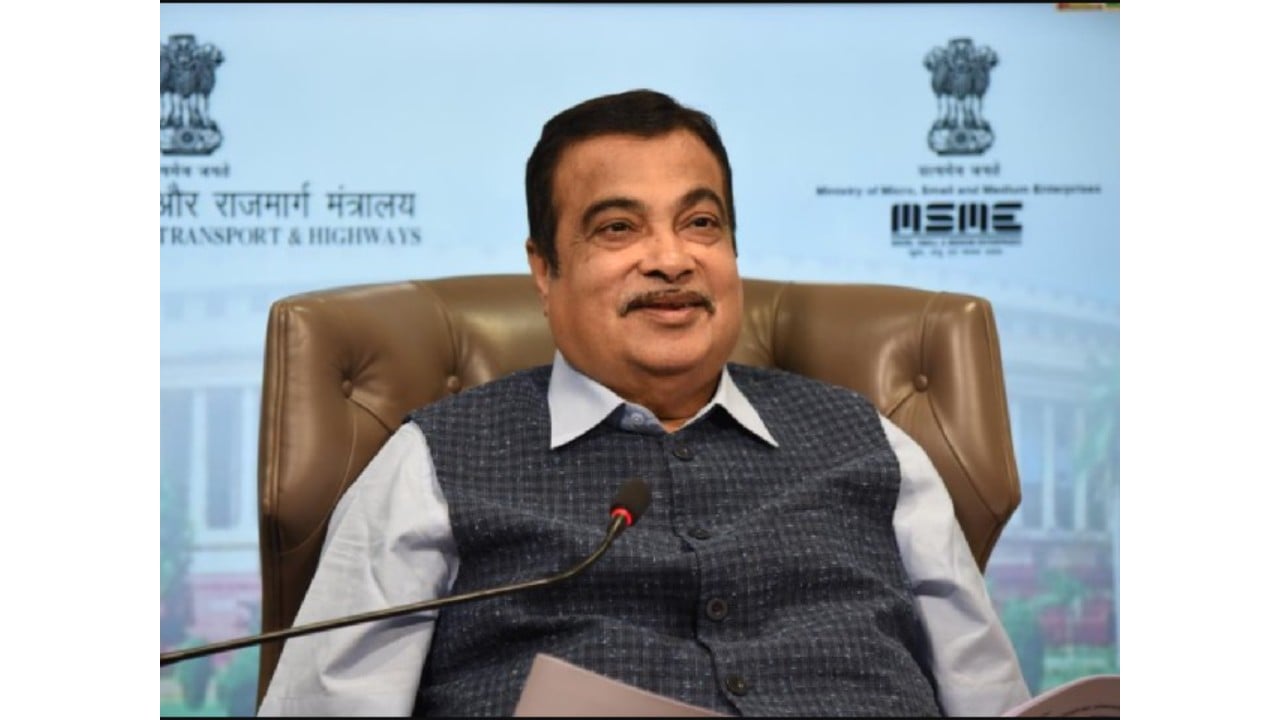
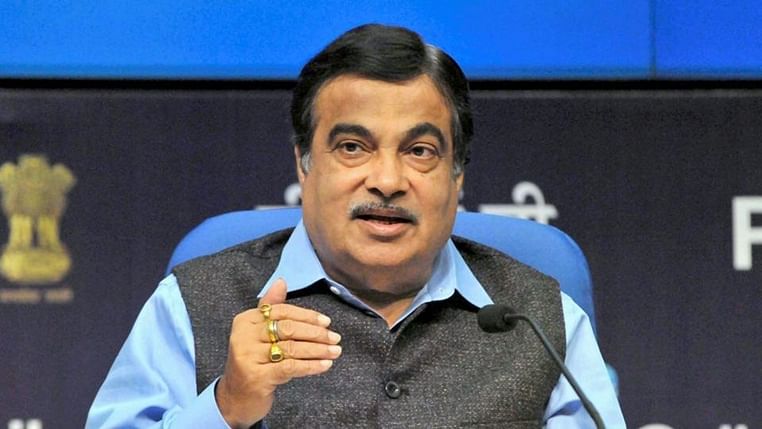
In order to improve the air quality in the country, the government has been taking every possible step by introducing new policies every day. To fight against pollution, transport minister Nitin Gadkari along with the Indian government issued a draft notification. The report says under the new notification, it has stated that the central and state government-owned vehicles which are older than 15 years will be scrapped come April 2023.

During the opening ceremony of the 2022 edition of Agrovision in Nagpur, Gadkari said that he has signed a file under the guidance of PM Narendra Modi, asking the centre to scrap all the government vehicles including buses, trucks cars which have completed 15 years. I have sent this policy of the Indian government to all the states. They should adopt this policy at the state level, the transport minister added.

The notice came at a time when the country’s air quality index in some cities or states has been crossing 400, which falls under the very poor to severe category.

Gadkari told the media that he has already given the green signal to the order to scrap the old government vehicles, which causing or damaging the country’s environment. In or to push the EV culture in the country, he has also been pushing for the modernization of buses which will be transformed to total electric.

To combat the threat of automobile pollution, the government announced its policy on vehicle scrappage earlier this year. Gadkari had previously stated that the government intends to set up 1-2 auto-recycling units in each district across the nation. The union minister added that old tyres and other components from scrapped cars would be used to build roads.

Amid this, on October 2018, before the announcement of the scrappage policy by the government, the Supreme Court also ordered to stop using more than 15-year-old petrol and 10-year-old diesel vehicles in Delhi-NCR.

India News

Mamata Banerjee holds crucial meeting with TMC MLAs amid party rebellion in West Bengal

Mamata Banerjee has called a crucial meeting of TMC MLAs amid growing dissent and claims by a rebel faction, with party unity under intense scrutiny.

Published

on

West Bengal Chief Minister and Trinamool Congress chief Mamata Banerjee is set to hold a crucial meeting with party legislators at her residence as the ruling party grapples with one of its most serious internal challenges in recent years.

The meeting comes at a time when the Trinamool Congress (TMC) is facing visible dissent from a section of its MLAs, raising concerns over party unity and legislative strength. The gathering is being closely watched as a test of whether Mamata Banerjee can bring disgruntled lawmakers back into the party fold.

Attendance under scrutiny after recent setbacks

The latest meeting assumes significance after an earlier gathering at Mamata Banerjee’s residence reportedly witnessed poor attendance, forcing the session to be called off. Reports suggested that only a fraction of the party’s legislators attended, triggering speculation about growing unrest within the organisation.

The internal turbulence has intensified following claims by a rebel faction that it enjoys the support of a substantial number of TMC legislators. The developments have sparked concerns about the party’s cohesion in the state assembly.

Leadership faces challenge from rebel camp

The rebellion has largely been linked to dissatisfaction among some legislators regarding the party’s leadership structure and decision-making process. While several reports indicate that the anger of dissenting MLAs is directed more towards sections of the party leadership than Mamata Banerjee herself, the crisis has nevertheless emerged as a major challenge for the TMC chief.

Recent developments, including the recognition of a rebel-backed opposition leader in the West Bengal Assembly and subsequent legal and political battles, have further highlighted divisions within the party.

Meeting expected to focus on party unity

Party leaders are expected to use the meeting to assess support within the legislative wing, discuss the ongoing political situation and explore ways to restore unity ahead of future political battles in the state.

Political observers believe the outcome of the meeting could provide a clearer picture of whether the Trinamool Congress can contain the rebellion or whether the internal crisis is likely to deepen further in the coming weeks.

Continue Reading

India News

Ramalinga Reddy resigns from Karnataka cabinet over portfolio allocation dispute

Karnataka minister Ramalinga Reddy has resigned from the DK Shivakumar cabinet after expressing dissatisfaction with the portfolio allocated to him, creating an early challenge for the new government.

Published

on

Senior Congress leader and Karnataka minister Ramalinga Reddy has resigned from the state cabinet, just days after taking oath in the newly formed government led by Chief Minister D.K. Shivakumar. The resignation follows his reported dissatisfaction with the portfolio allotted to him.

According to reports, Reddy was assigned the Major and Medium Irrigation department during the cabinet portfolio distribution announced on Friday. However, the veteran leader was said to be seeking the Bengaluru Development portfolio, which eventually went to Krishna Byre Gowda.

The development comes at a sensitive time for the new Karnataka government, which was sworn in earlier this week after D.K. Shivakumar took charge as Chief Minister. Portfolio allocation had reportedly been delayed amid intense lobbying for several key departments, including those linked to Bengaluru’s administration and infrastructure.

Reddy cites repeated humiliation

In his resignation, Ramalinga Reddy reportedly expressed strong disappointment with the manner in which the portfolio allocation was handled. He is said to have felt sidelined despite his seniority in the party and flagged what he described as a reversal of earlier assurances.

Reports indicated that meetings were held involving Shivakumar, Reddy and other senior leaders as efforts were made to resolve the issue. However, the discussions did not result in a breakthrough, leading to Reddy’s decision to step down from the ministry.

Early challenge for Shivakumar government

Reddy’s resignation marks one of the first major political challenges for the newly formed Congress government in Karnataka. The cabinet formation process had already drawn attention due to competition for influential portfolios and ongoing efforts to balance various factions within the party.

It remains to be seen whether the Congress leadership will attempt to persuade Reddy to reconsider his decision or move ahead with a cabinet reshuffle to address the vacancy.

Continue Reading

Latest world news

UK Foreign Secretary Yvette Cooper visits India to strengthen bilateral partnership

UK Foreign Secretary Yvette Cooper held high-level meetings in New Delhi during her first official visit to India, underscoring efforts to deepen cooperation in trade, security, technology and regional stability.

Published

on

UK Foreign Secretary Yvette Cooper visited New Delhi for her first official trip to India since assuming office, holding key meetings with Prime Minister Narendra Modi and External Affairs Minister S. Jaishankar as both countries seek to deepen cooperation across trade, security and strategic sectors.

The visit comes at a significant time in India-UK relations, with both governments working toward the implementation of their recently concluded trade agreement while also expanding collaboration in areas such as technology, climate action, supply chains and regional security.

Focus on trade and strategic cooperation

During her engagements in New Delhi, Cooper discussed ways to strengthen the comprehensive strategic partnership between the two countries. Conversations also touched on accelerating the implementation of the India-UK trade agreement and enhancing economic cooperation.

Her visit followed recent discussions between Indian Commerce Minister Piyush Goyal and UK Business and Trade Secretary Peter Kyle regarding the rollout of the bilateral trade pact.

New initiatives announced

India and the UK also announced fresh cooperation initiatives during the visit, including the launch of a Critical Minerals Global Supply Chain Observatory aimed at strengthening collaboration on critical minerals and supply-chain resilience.

Officials described the initiative as an important step in expanding cooperation in emerging strategic sectors and supporting resilient global supply chains.

Addressing global challenges

Apart from bilateral issues, discussions covered wider global concerns, including regional stability, economic disruptions arising from international conflicts and maritime security. The visit reflects the growing importance both countries attach to their strategic partnership amid evolving geopolitical challenges.

India and the UK have increasingly broadened cooperation across defence, technology, innovation, clean energy and people-to-people ties, with both sides aiming to further strengthen engagement in the coming years.

Fact-check assessment

The core angle—Yvette Cooper’s first official visit to India, meetings with PM Modi and S. Jaishankar, focus on trade, security, strategic cooperation and the launch of new bilateral initiatives—is supported by multiple current reports and appears factually sound.

Continue Reading

Trending

© Copyright 2022 APNLIVE.com