
Latest world news
Israel to connect Saudi Arabia with rail transport


Netanyahu to promote “Track of Regional Peace”
Amidst growing contacts between Israel and Saudi Arabia without formally having diplomatic ties, Israeli Prime Minister Benjamin Netanyahu and his transport minister Katz have agreed to begin promoting their “Tracks for Regional Peace” initiative which is aimed to create route connecting Europe with Gulf and Israel.
Israel’s Hadashot news revealed it on Saturday saying “Track of Regional peace” is based on the planned extension of railway tracks in northern Israel. It would link Haifa’s seaport to Jordan’s rail network, which in turn will be linked with that of Saudi Arabia and other Sunni Arab states.
The Times of Israel reports that “the network is envisioned as creating a regional transportation system to enhance trade relations and promote peaceful coexistence.”
According to a Public Relations video from Netanyahu and Katz’s offices, the initiative will see the erstwhile extension of the Haifa-Beit She’an rail line to Jordanian border and will also include a stop in Jenin, connecting the Palestinians to the broader plan. Goods would be shipped from Europe to Haifa, allowing them to bypass civil war-torn Syria.
 Earlier in April, Israeli Intelligence and Transport Minister Yisrael Katz told London based Saudi funded online newspaper, had described about the railway project. He reportedly said, “This is not a dream at all. This can be realized if there is a will”.
The Israeli minister was allowed to reach Arabic speaking people through Saudi publication at a time when there were wide-spread protests against US President Donlad Trump’s announcement of his intention to recognize Jerusalem as the capital of Israel.
Read More: Isolated Trump gets Saudi Arabia, Israel support on Iran deal withdrawal
Katz’s proposal was to :revive” the historic Hejaz railway by extending the current Haida-Beit Shein train line in Israel into Jordan and joining it with an extra line extending from the Palestinian city of Jenin. New tracks will be laid in Jordan from the crossing to Irbid, which would connect with esisting and new lines extending north to Damascus, the Syrian capital, east towards Iraqi capital Baghdad, South through Saudi Arabia to the Red Sea and the Gulf.
He reportedly said, “My vision to connect Saudi Arabia and the Gulf states and Jordan to the Haifa port and the Mediterranean Sea will transform Israel into a centre for naval transport and strengthen the Israeli economy.”
Read More: US, Saudi Arabia ask Palestinians to talk to Israel
Israel has allocated 15 million shekals ($4.3 billion), in its 2019 budget, to extend the current railway to Sheikh Hussein border crossing in Jordan.
TRT World reported at that time saying, “Unlike the environment Israel found itself in during its establishment in Palestine 70 years ago, it has forged ties with several unlikely allies and partners in the region as the dynamics in the Middle East are increasingly shaped by Saudi Arabia’s attempts to counter Iran’s growing presence and power in the region.”
Read More: Mike Pompeo visits Saudi Arabia, Israel and Jordan
Beirut based Hezbollah owned Al-Manar network reports, “It is worth noting that Netanyahu and other Israeli officials have repeatedly highlighted the cooperation ongoing between the Zionist entity and a number of Arab states in various domains”. Like Iran, Hezbollah does not recognize Israel as a country, instead they call it “Zionist entity”.









Latest world news
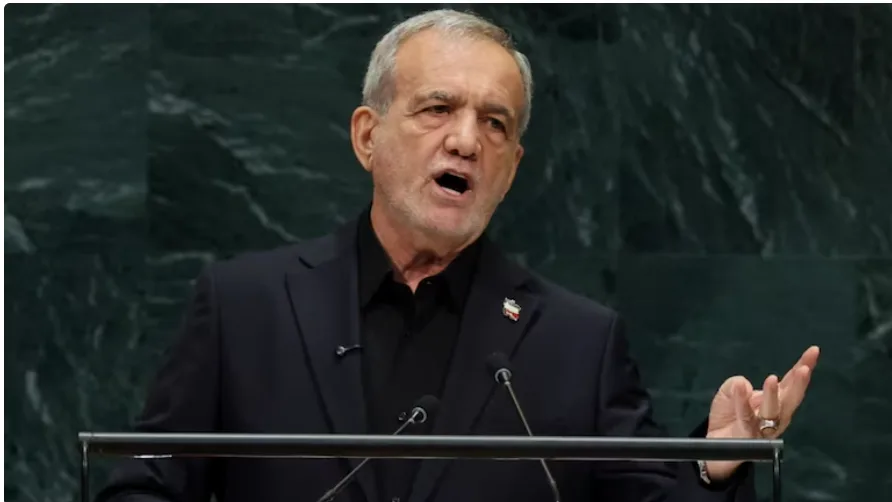
Iranian President Pezeshkian at UN says Iranians have been victims of US terrorism
Iranian President Masoud Pezeshkian said at the UN General Assembly that Iranians had been victims of US terrorism and insisted that Iran had acted in self-defence.

Latest world news
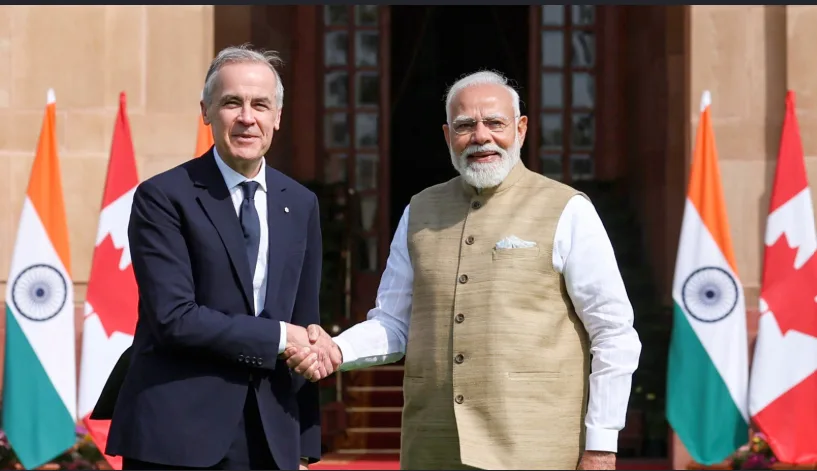
PM Modi’s Canada visit could help wrap trade talks, says Canada PM Mark Carney
Canadian PM Mark Carney said he is looking forward to hosting PM Narendra Modi, with both countries aiming to conclude their ongoing trade negotiations.
Latest world news
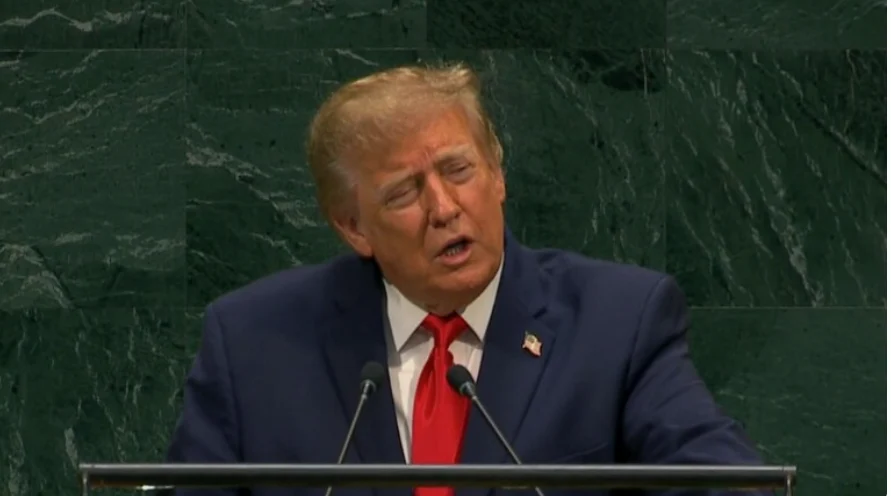
Trump issues fresh Iran warning at UN General Assembly, signals deal after midterms
US President Donald Trump issued a fresh warning to Iran during his UN General Assembly address, saying he faces a choice between a deal and further escalation.

9 Killed, several injured as tourist bus catches fire in Greater Noida

Ram Temple donation theft case chargesheet filed, trustees not named

Veteran actor Mushtaq Khan, known for Welcome and Hera Pheri, dies at 56

Cockroach Janta Party gives CEC Gyanesh Kumar 48 hours to resign, warns of nationwide protests

Rahul Gandhi attacks CEC Gyanesh Kumar, says vote chori leads to kanoon chori

Asian Games 2026: Gurindervir Singh, Animesh Kujur lead India athletics campaign
Cockroach Janta Party gives CEC Gyanesh Kumar 48 hours to resign, warns of nationwide protests
Veteran actor Mushtaq Khan, known for Welcome and Hera Pheri, dies at 56
Rahul Gandhi attacks CEC Gyanesh Kumar, says vote chori leads to kanoon chori
Ram Temple donation theft case chargesheet filed, trustees not named

Afghan Men Try To Hang With The Jet Engine Of The Aircraft in Kabul- Afghanistan News – Kabul News
Trending Top 10 News: 10000 Crore Fine on Flipkart, Apple to Launch Unique Feature, Hdfc Bank Job Ad

Trending Top 10 News: Nokia 6310, Apple sales, Bachpan ka Pyar Video Kid, Dainik Bhaskar IT Raid

Trending Top 10 News: Canada bans Indian flights, Rain in Delhi NCR, AIMIM Twitter hacked, Raj Kundra case

Trending Top 10 News: Shein India, Apple New Service, Pocket Oxygen, Oppo Launched New Phone
-
 India News16 hours ago
9 Killed, several injured as tourist bus catches fire in Greater Noida
-
 India News16 hours ago
Ram Temple donation theft case chargesheet filed, trustees not named
-
 Entertainment6 hours ago
Veteran actor Mushtaq Khan, known for Welcome and Hera Pheri, dies at 56
-
 India News6 hours ago
Cockroach Janta Party gives CEC Gyanesh Kumar 48 hours to resign, warns of nationwide protests
-
 India News6 hours ago
Rahul Gandhi attacks CEC Gyanesh Kumar, says vote chori leads to kanoon chori
-
 LATEST SPORTS NEWS5 hours ago
Asian Games 2026: Gurindervir Singh, Animesh Kujur lead India athletics campaign
