
Latest world news
Pakistan: War with India is not an option, dialogue is key


Pakistan’s Foreign Minister Shah Mehmood Quresh has said that war with India is not an option and seeking a constructive dialogue was the key component of the new government’s policies.
Responding to questions put forwarded by James Bays conducting interview for Qatar based Al-Jazeera TV in New York at the sidelines of UN General Assembly, Mr Qureshi said the new government had inherited strained relations with two key countries — India and the United States — and was working to improve ties with both.
Referring to Prime Minister Imran Khan’s July 26 peace offer to India, Pakistan’s foreign minister Qureshi said that seeking a constructive dialogue with India was a key component of the new government’s policies.
He said, “What we did…we thought made sense. Two neighbours with outstanding issues, atomic powers. How do you fix things? War is no option. There is no military solution: the only solution is a dialogue.”

Read More: India cancels talks with Pakistan at UNGA in New York after killing of J&K cops
Qureshi’s remarks came as US Principal Deputy Secretary for South and Central Asian Affairs Alice Wells, in one her interview with BBC, said that peace in South Asia was key to the region’s prosperity and urged Islamabad to work for it.
Alice Wells was quoted saying: “We welcome PM Khan’s statements about peace with neighbours and any steps Pakistan takes for this purpose.”
On September 21, India had cancelled foreign minister level bilateral meeting between Minister of External Affairs Sushma Swaraj and her Pakistani counterpart Shah Mehmood Qureshi in less than 24 hours of confirming.
Raveesh Kumar, spokesperson of Ministry of External Affairs cited abduction and killing of three J&K policemen and the recent release of postal stamps glorifying slain Kashmiri militant commander Burhan Wani as the reason behind calling off the talks.
Read More: Pakistan disappointed on India’s calling off bilateral meet at UNGA
Mr Qureshi said that some other nations also recognised Pakistan’s strategic location and understood its importance, “so, we are not alone, everyone has options”.
Alice Wells acknowledged that Pakistan was “an important country in the region (and has) an important part to play”. Asked what were her expectations from the new Pakistani government, she said: “We have the same expectations that we have from other governments in South Asia.”
She said the Trump administration’s South Asia policy sought to eradicate all “terrorist activities” and “non-state actors” from the region. “We have told Pakistan before that terrorists’ groups are still active in the country and they need to be eliminated,” she added.




Latest world news
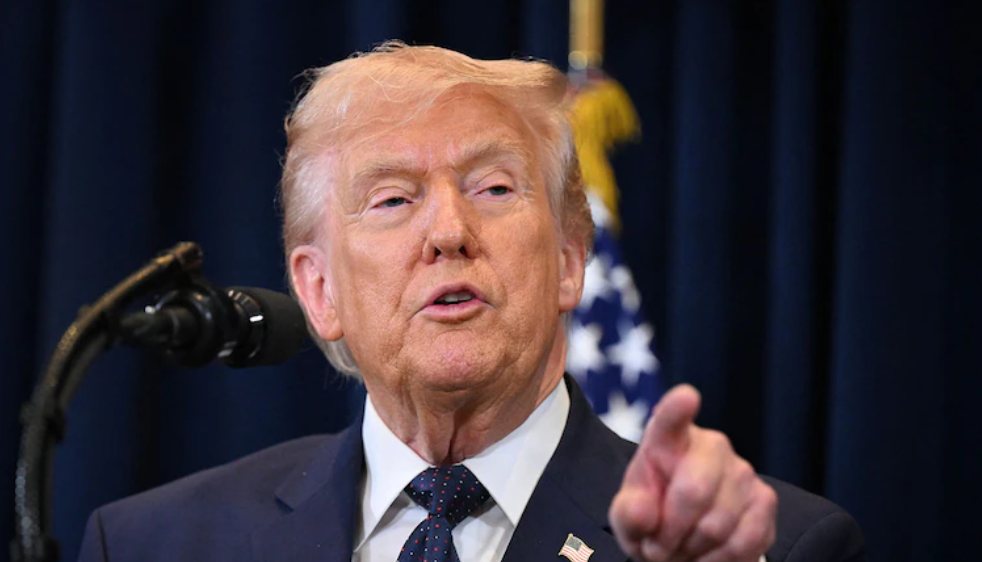
Trump signs Russia sanctions bill, India faces 100% tariff threat
Donald Trump has signed the Russia sanctions bill into law, giving the US president authority to impose tariffs of up to 100% on countries buying Russian oil and gas, including India and China.

Latest world news
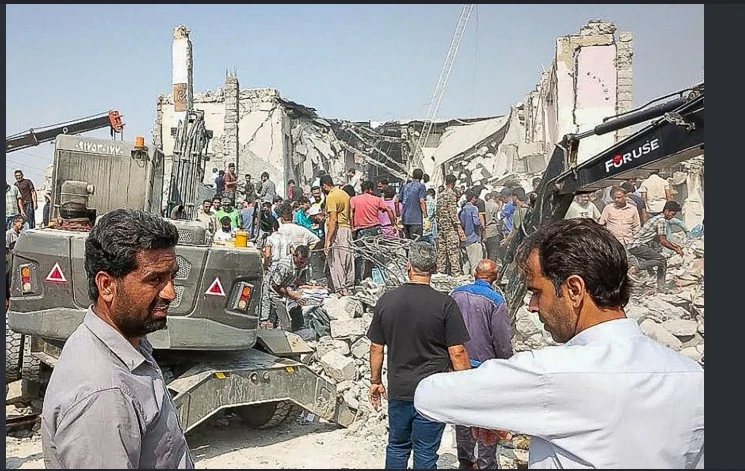
US strike on Iran school that killed 150 may be war crime, UN panel says
A UN-backed panel said there were reasonable grounds to believe US forces committed war crimes, citing a strike on a primary school in Minab that killed more than 150 people.
Latest world news
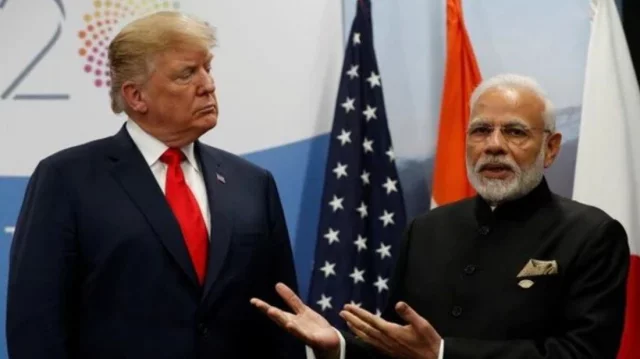
India responds to US Russia sanctions bill, vows to protect trade interests
India has responded to the US Congress passing a Russia sanctions bill, saying it will take necessary measures to protect its trade and economic interests.

Asian Games 2026: India wins 3 shooting medals, medal tally rises to 6

Karnataka Congress MLA H K Patil threatens to quit over drought

Ram Temple Donation Theft: 105 instances caught on CCTV, SIT tells Supreme Court
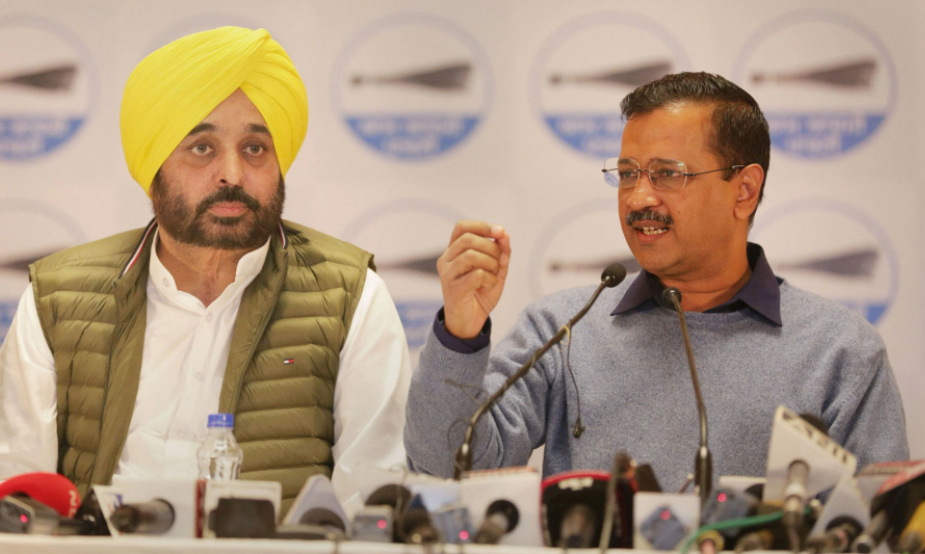
AAP takes Punjab report card door-to-door after BJP’s anti-drug yatra

Zaheer Khan named CSK head coach ahead of IPL 2027

Asaduddin Owaisi offers Opposition alliance in UP, sets October 2 deadline
Zaheer Khan named CSK head coach ahead of IPL 2027
AAP takes Punjab report card door-to-door after BJP’s anti-drug yatra
Ram Temple Donation Theft: 105 instances caught on CCTV, SIT tells Supreme Court
Asian Games 2026: India wins 3 shooting medals, medal tally rises to 6

Afghan Men Try To Hang With The Jet Engine Of The Aircraft in Kabul- Afghanistan News – Kabul News
Trending Top 10 News: 10000 Crore Fine on Flipkart, Apple to Launch Unique Feature, Hdfc Bank Job Ad

Trending Top 10 News: Nokia 6310, Apple sales, Bachpan ka Pyar Video Kid, Dainik Bhaskar IT Raid

Trending Top 10 News: Canada bans Indian flights, Rain in Delhi NCR, AIMIM Twitter hacked, Raj Kundra case

Trending Top 10 News: Shein India, Apple New Service, Pocket Oxygen, Oppo Launched New Phone
-
 India News18 hours ago
Asian Games 2026: India wins 3 shooting medals, medal tally rises to 6
-
 India News19 hours ago
Karnataka Congress MLA H K Patil threatens to quit over drought
-
 India News8 hours ago
Ram Temple Donation Theft: 105 instances caught on CCTV, SIT tells Supreme Court
-
India News8 hours ago
AAP takes Punjab report card door-to-door after BJP’s anti-drug yatra
-
 Cricket news8 hours ago
Zaheer Khan named CSK head coach ahead of IPL 2027
-
 India News7 hours ago
Asaduddin Owaisi offers Opposition alliance in UP, sets October 2 deadline
