
Latest world news
Turkish forces begin operation against PKK in Iraqi Sinjar city


Iraq denies presence of Turkish forces
Continuing his move to crush the separatist Kurds in the region, Turkish President Recep Tayyip Erdogan has announced the start of a military operation in Sinjar in northern Iraq against the Kurdistan Workers’ Party (PKK) fighters on Sunday.
According to London based Al-Quds Arabic language newspaper, Erdogan made the remarks during a rally in Trabzon province in northeastern Turkey, ahead of a meeting of the ruling Justice and Development Party.
“We said we would go into Sinjar. Now operations have begun there. The fight is internal and external,” he said.
Earlier Turkish forces have captured Syrian city of Afrin for crushing the separatist Kurds PKK fighters.
Read More: Syria: Turkish forces and anti Assad group capture Afrin
PKK is a separatist organisation based in Turkey and Iraq, which is involved in an armed conflict with the Turkish state since 1984, with the aim of achieving an independent Kurdish state.
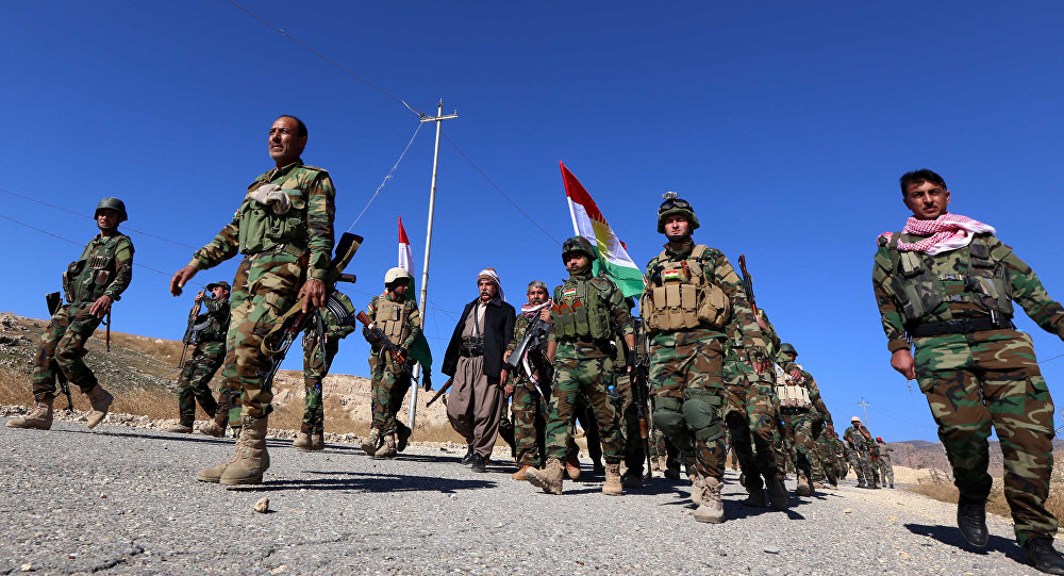 However, the Joint Operations Command in Iraq said that no military operations were launched in Sinjar or its vicinity, stressing thatIraqi forces will not “stand idly by” while foreign troops are invading their country.
“The security situation in Nineveh, Sinjar and border areas is under the control of Iraqi forces,” the command said in a statement. They have denied news of t foreign troops crossing into Iraqi territories.
Read More: Syria demands Turkish forces’ withdrawal from Afrin
In addition, the command stressed that the Federal government “has not informed the Defense Ministry of any Turkish military operations in Sinjar.”
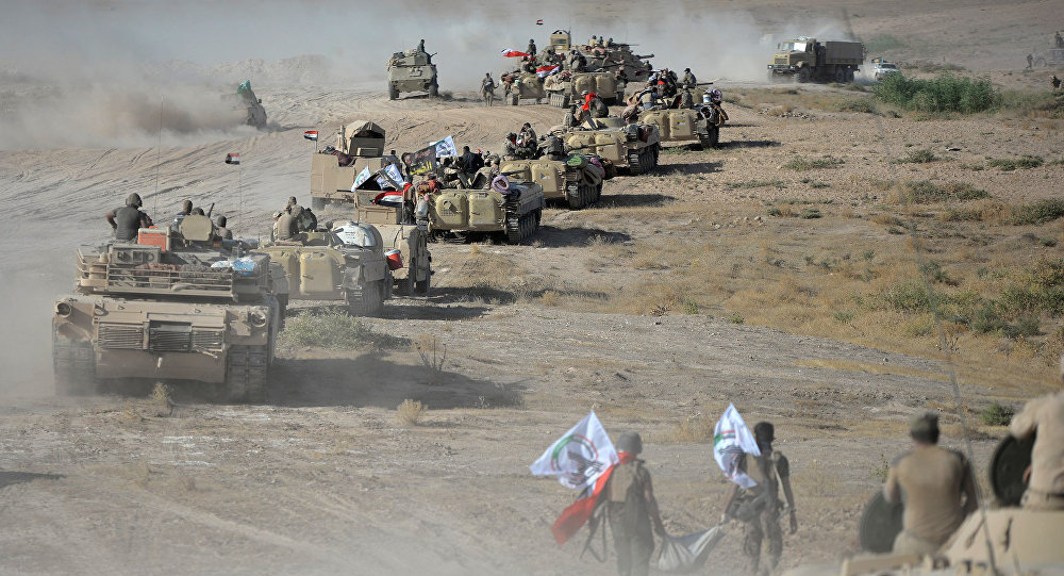 Last week, Erdogan had vowed a strong action against PKK to deter it from creating a new base in Sinjar, stressing that Turkish forces would attack if necessary.
On March 8, Turkish foreign minister Mevlut Cavusoglu, while addressing a joint press conference with his Austrian counterpart in Vienna, said that Ankara and Baghdad will carry out a joint military operation against members of the PKK militant group in the northern parts of Iraq.
Iraqi News web portal referred to sources in northern Iraq saying on Friday the PKK would withdraw from Sinjar following the Turkish threat to attack the area. The PKK is considered a terrorist organization by Turkey, the European Union and the United States.
Sinjar was one of the main targets of Daesh (IS) terrorists in recent years who were responsible for killing hundreds of Yazidi community members and enslaving their women. It is situated north of Mosul. Iraqi Kurds played important role in recapturing the area from Daesh control along with Iraqi forces.




Latest world news
Magnitude 7 earthquake strikes Russia’s Kamchatka Peninsula
A magnitude 7 earthquake struck Russia’s Kamchatka Peninsula region on Friday. The initial report placed the earthquake at a depth of 140 kilometres.


Latest world news
S Jaishankar says India is a natural option for Russia amid Europe tensions
External Affairs Minister S Jaishankar said India remained a natural option for Russia as Moscow increasingly turned towards Asia amid strained relations with Europe. He highlighted the continuity of India-Russia ties and their significance for the balance of power in Asia.

Latest world news
Putin praises PM Modi, says he has very good ideas on Ukraine war
Russian President Vladimir Putin has praised Prime Minister Narendra Modi for repeatedly raising the need to end the Ukraine war, describing his ideas for a settlement as “very good”.


India-US trade deal first phase finalised, drafting underway

Election Commission orders voter roll revision in 17 states, UTs

Actor Imran Khan asked to leave India after CJP protest

Delhi Police offers 11-person limit for CJP’s Connaught Place protest

Mallikarjun Kharge’s ‘Your Friends’ jab at Rahul Gandhi over congress exits

Magnitude 7 earthquake strikes Russia’s Kamchatka Peninsula

Delhi deploys 25,000 personnel, installs CCTV cameras ahead of CJP march
Mallikarjun Kharge’s ‘Your Friends’ jab at Rahul Gandhi over congress exits
Delhi Police offers 11-person limit for CJP’s Connaught Place protest
Actor Imran Khan asked to leave India after CJP protest

Afghan Men Try To Hang With The Jet Engine Of The Aircraft in Kabul- Afghanistan News – Kabul News
Trending Top 10 News: 10000 Crore Fine on Flipkart, Apple to Launch Unique Feature, Hdfc Bank Job Ad

Trending Top 10 News: Nokia 6310, Apple sales, Bachpan ka Pyar Video Kid, Dainik Bhaskar IT Raid

Trending Top 10 News: Canada bans Indian flights, Rain in Delhi NCR, AIMIM Twitter hacked, Raj Kundra case

Trending Top 10 News: Shein India, Apple New Service, Pocket Oxygen, Oppo Launched New Phone
-
 India News23 hours ago
India-US trade deal first phase finalised, drafting underway
-
 India News21 hours ago
Election Commission orders voter roll revision in 17 states, UTs
-
 India News21 hours ago
Actor Imran Khan asked to leave India after CJP protest
-
 India News19 hours ago
Delhi Police offers 11-person limit for CJP’s Connaught Place protest
-
 India News8 hours ago
Mallikarjun Kharge’s ‘Your Friends’ jab at Rahul Gandhi over congress exits
-
 India News8 hours ago
Delhi deploys 25,000 personnel, installs CCTV cameras ahead of CJP march
-
 Latest world news7 hours ago
Magnitude 7 earthquake strikes Russia’s Kamchatka Peninsula
