
Latest world news
US adds seven Pakistani companies to sanctions list


They need special licence for doing business in US
Continuing its pressure on Pakistan, the US administration has added seven Pakistani companies to a list of foreign entities that presumably pose a significant risk to its national security and policy interests by allegedly engaging in nuclear trade. From now these companies will need special licences to carry out their business in US.
According to Dawn correspondent in Washington Asif Iqbal, the move could undermine Pakistan’s ambition of joining the Nuclear Suppliers Group (NSG), an elite group of countries qualified for trading fissile materials and nuclear technologies.
Read More: US, Pakistan not to cut ties, work together in Afghanistan
The move forms a series of decisions aimed at putting a squeeze on Pakistan. The list, prepared by the US Bureau of Industry and Security, declares that all seven companies are “reasonably believed to be involved, or to pose a significant risk of being or becoming involved, in activities contrary to the national security or foreign policy interests of the United States”.
In all, a total of 23 entities added to the list that includes 15 companies from South Sudan and one Pakistani company based in Singapore.
 Among the seven Pakistani companies three are listed for “their involvement in the proliferation of unsafeguarded nuclear activities that are contrary to the national security and/or foreign policy interests of the United States”. Other two entities are accused of procuring supplies for nuclear-related companies already on the list and the remaining two are accused of acting as fronts for listed entities.
Read More: India, US pressure works, Pakistan amends anti-terror law
The End-user Review Committee (ERC) of the US Department of Commerce determined that Mushko Logistics Pvt. Ltd., Singapore, and Mushko Electronics Pvt. Ltd., Solutions Engineering, Akhtar & Munir, Proficient Engineers and Pervaiz Commercial Trading Co. (PCTC) Pakistan be added to the list due to “involvement in activities contrary to US national security and foreign policy interests”.
The ERC also determined that Marine Systems Pvt. Ltd. be added to the list for assisting Pakistani entities in circumventing US restrictions. The ERC also determined that Engineering and Commercial Services (ECS) be added to the list based on its involvement in supplying a Pakistani nuclear-related entity.
Read More: US designates three Pakistanis as global terrorists
Relations between US and Pakistan have been strained since President Trump announced his new Asia policy, especially asking Islamabad to do more to destroy terror havens on its soil and giving more important role to India in Afghanistan.
Pakistan applied for the NSG membership on May 19, 2016, after it appeared that the US and certain other Western nations are actively supporting India’s bid to join the group. Islamabad argues that NSG should adopt a non-discriminatory, criteria-based approach for inducting new members.
China and Turkey also support Pakistan’s application, but they also cite procedural issues in adding new members, which has delayed India’s inclusion. NSG requires a consensus among the member states for adding new countries to the club.





Latest world news
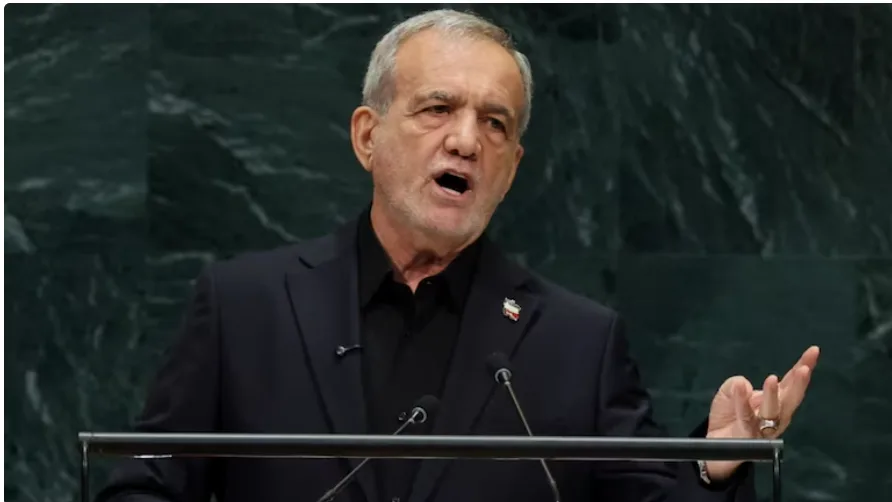
Iranian President Pezeshkian at UN says Iranians have been victims of US terrorism
Iranian President Masoud Pezeshkian said at the UN General Assembly that Iranians had been victims of US terrorism and insisted that Iran had acted in self-defence.

Latest world news
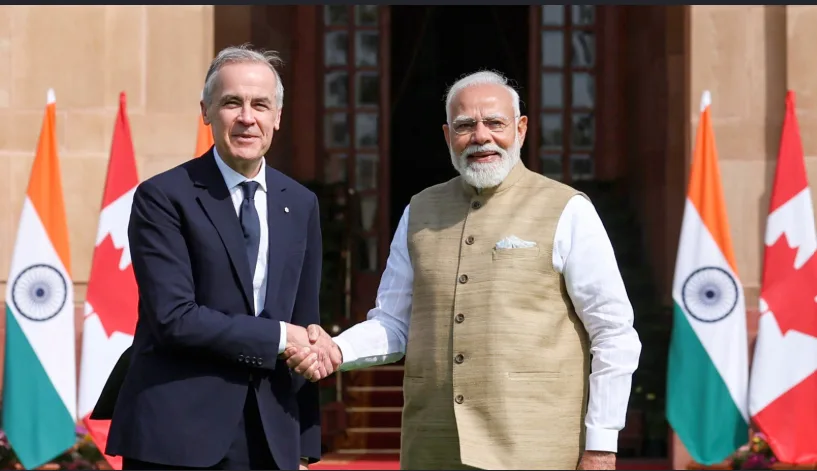
PM Modi’s Canada visit could help wrap trade talks, says Canada PM Mark Carney
Canadian PM Mark Carney said he is looking forward to hosting PM Narendra Modi, with both countries aiming to conclude their ongoing trade negotiations.
Latest world news
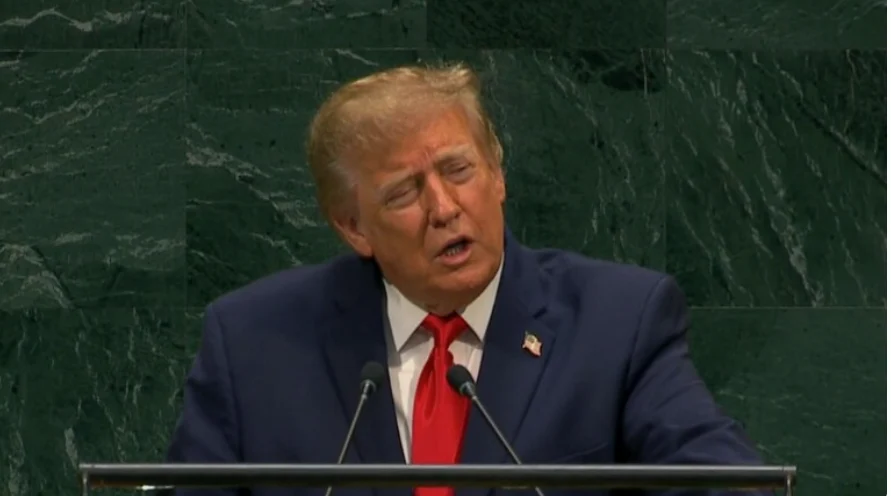
Trump issues fresh Iran warning at UN General Assembly, signals deal after midterms
US President Donald Trump issued a fresh warning to Iran during his UN General Assembly address, saying he faces a choice between a deal and further escalation.

Assam makes Muslim marriage registration compulsory under new rules
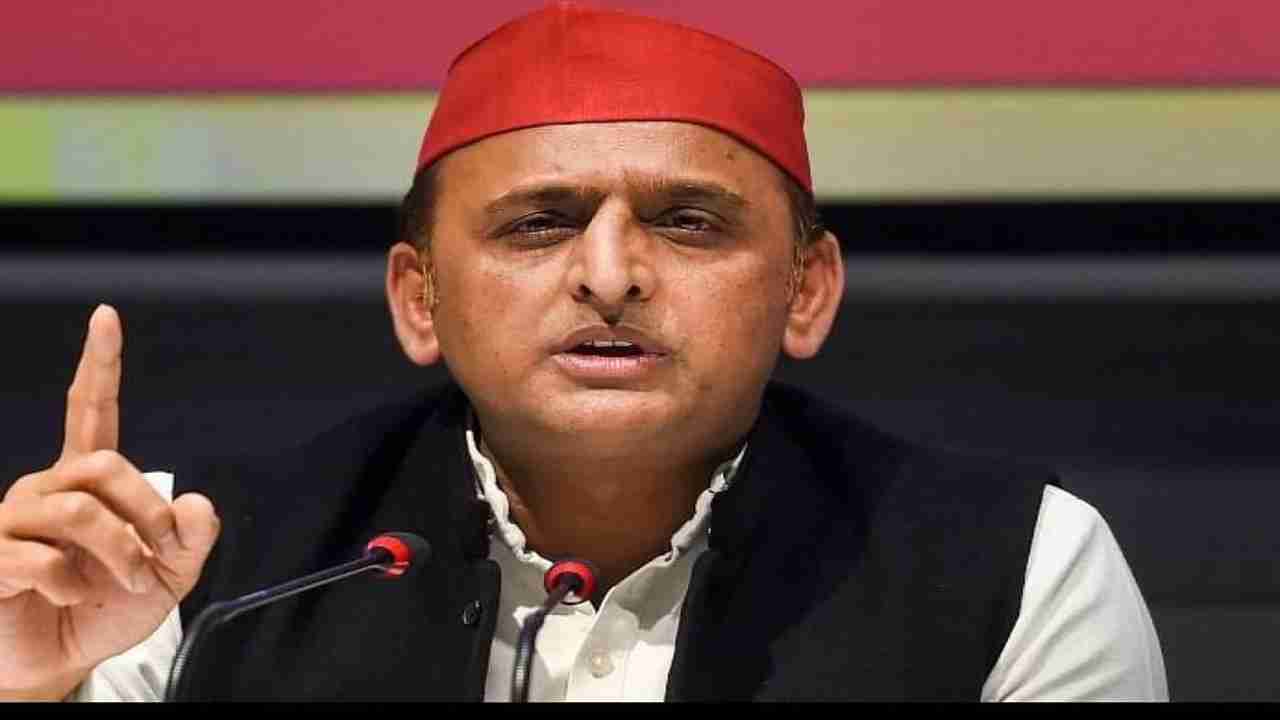
Akhilesh Yadav launches SP’s 2027 UP poll campaign from Rahul Gandhi’s seat

Trump-Xi Summit: Trade, Taiwan and AI among key takeaways

Congress protests against Gyanesh Kumar, demands Election chief’s resignation

Women wrestlers challenge Brij Bhushan’s acquittal in sexual harassment case

Veeramani POCSO case: Vijay questions Stalin over earlier probe
Women wrestlers challenge Brij Bhushan’s acquittal in sexual harassment case
Congress protests against Gyanesh Kumar, demands Election chief’s resignation
Assam makes Muslim marriage registration compulsory under new rules
Trump-Xi Summit: Trade, Taiwan and AI among key takeaways

Afghan Men Try To Hang With The Jet Engine Of The Aircraft in Kabul- Afghanistan News – Kabul News
Trending Top 10 News: 10000 Crore Fine on Flipkart, Apple to Launch Unique Feature, Hdfc Bank Job Ad

Trending Top 10 News: Nokia 6310, Apple sales, Bachpan ka Pyar Video Kid, Dainik Bhaskar IT Raid

Trending Top 10 News: Canada bans Indian flights, Rain in Delhi NCR, AIMIM Twitter hacked, Raj Kundra case

Trending Top 10 News: Shein India, Apple New Service, Pocket Oxygen, Oppo Launched New Phone
-
 India News18 hours ago
Assam makes Muslim marriage registration compulsory under new rules
-
India News18 hours ago
Akhilesh Yadav launches SP’s 2027 UP poll campaign from Rahul Gandhi’s seat
-
 India News18 hours ago
Trump-Xi Summit: Trade, Taiwan and AI among key takeaways
-
 India News9 hours ago
Congress protests against Gyanesh Kumar, demands Election chief’s resignation
-
 India News8 hours ago
Women wrestlers challenge Brij Bhushan’s acquittal in sexual harassment case
-
 India News7 hours ago
Veeramani POCSO case: Vijay questions Stalin over earlier probe
